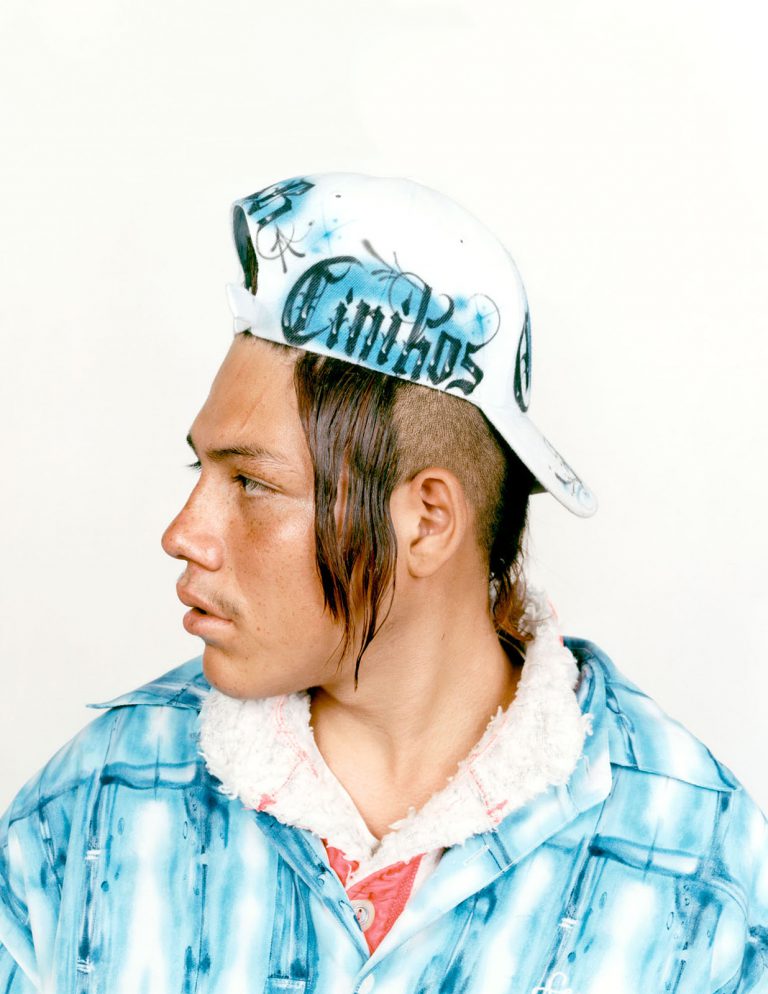
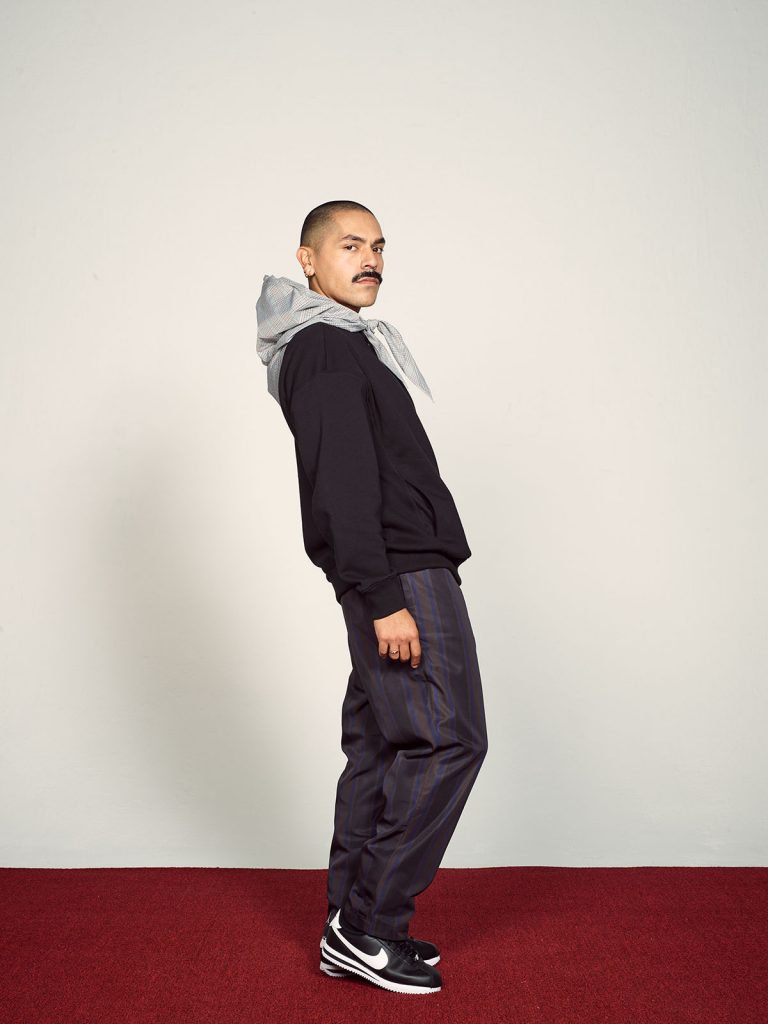
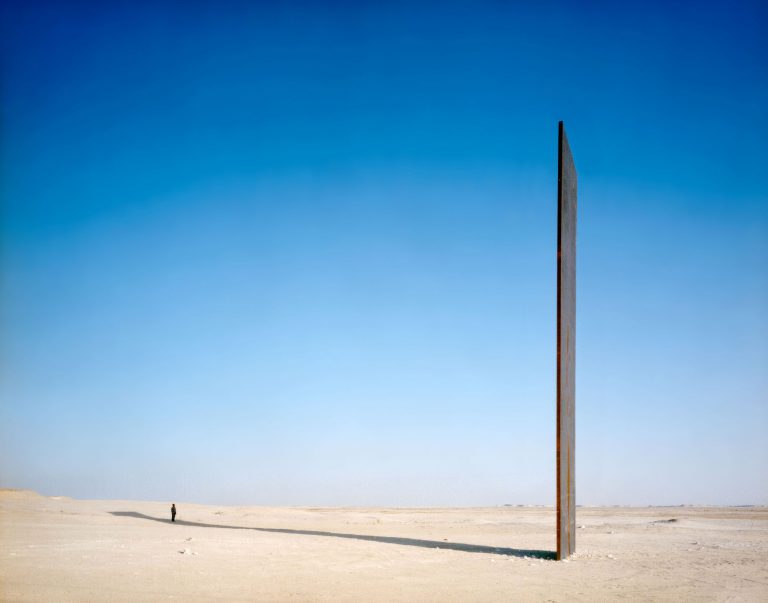
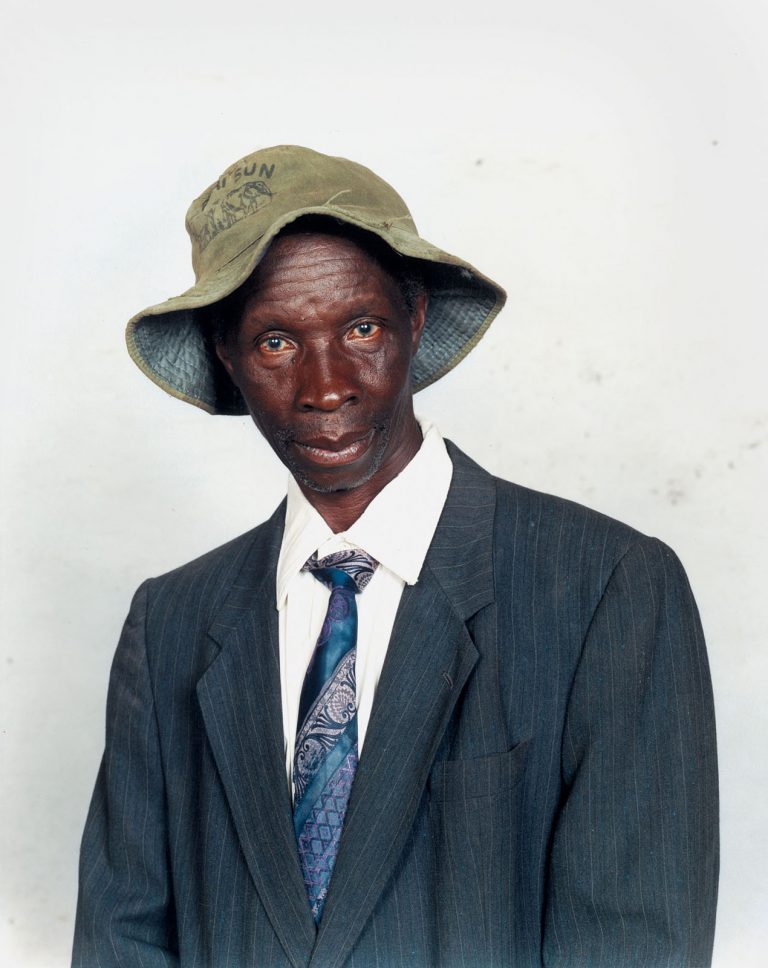
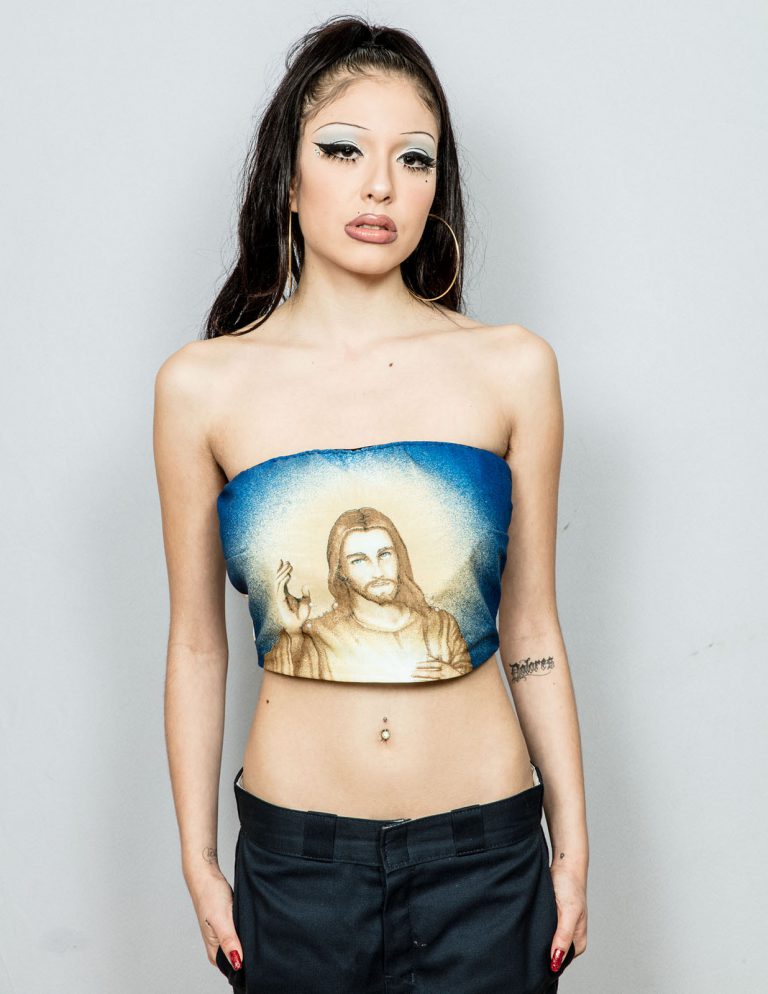
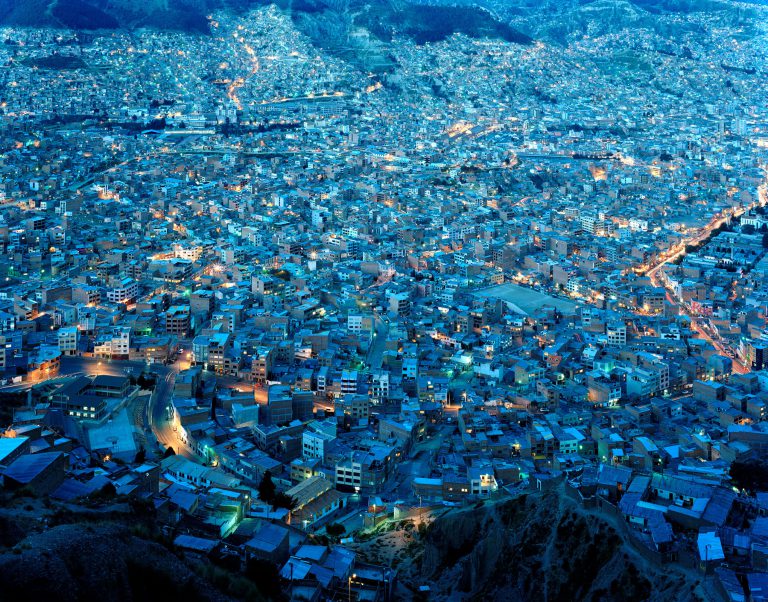
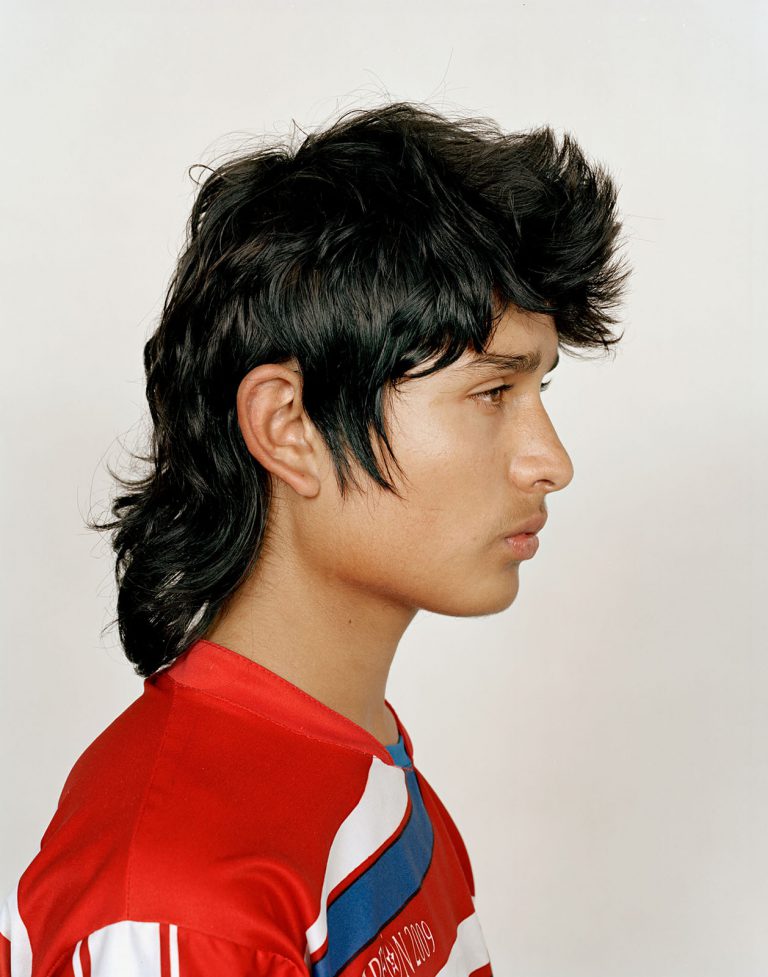
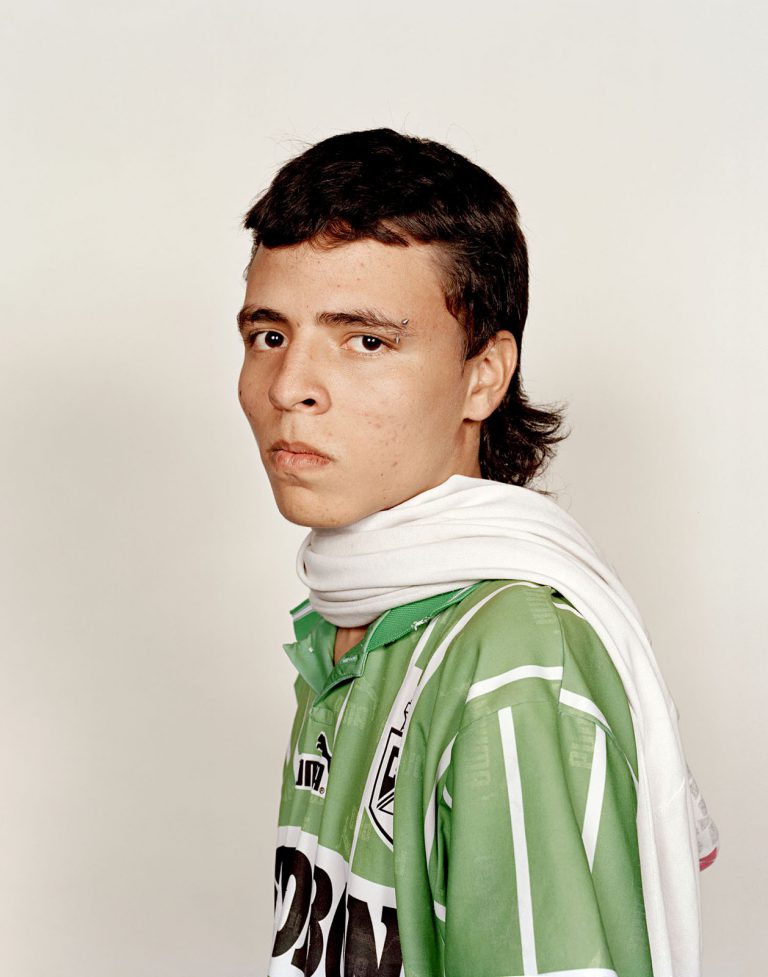
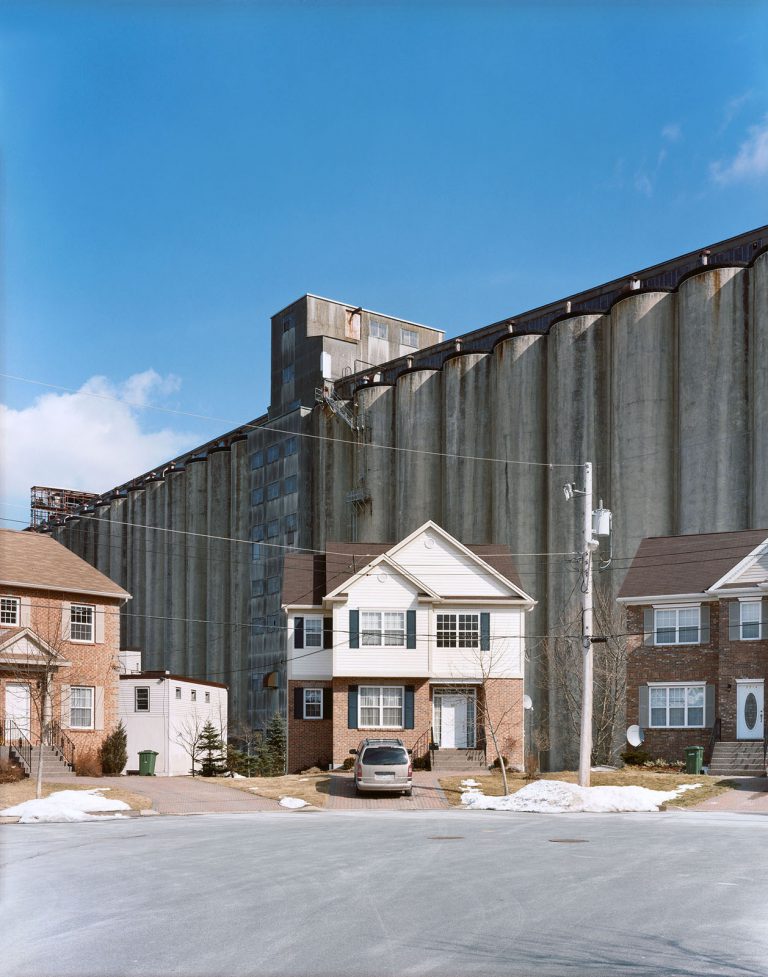
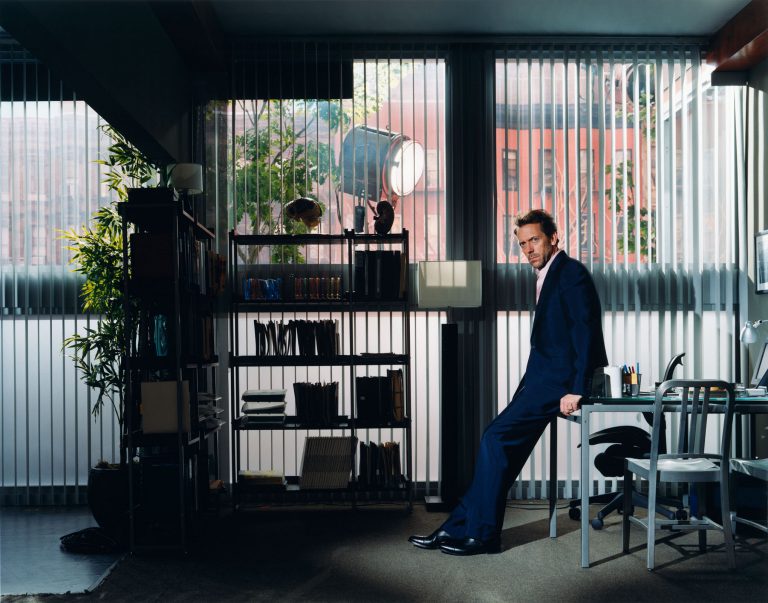
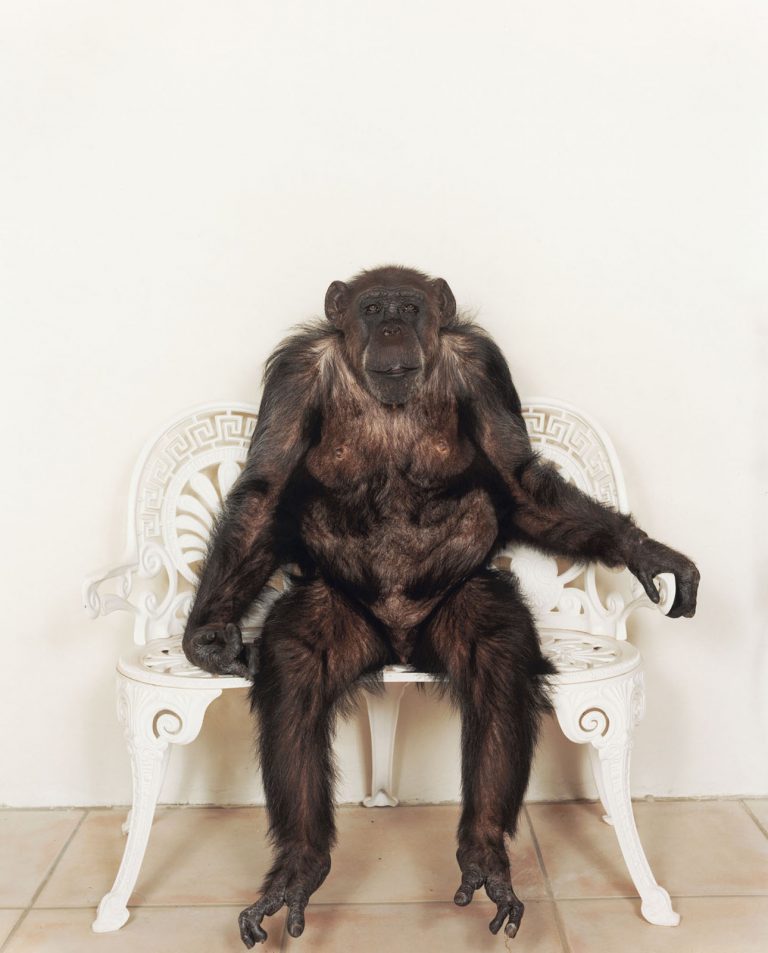
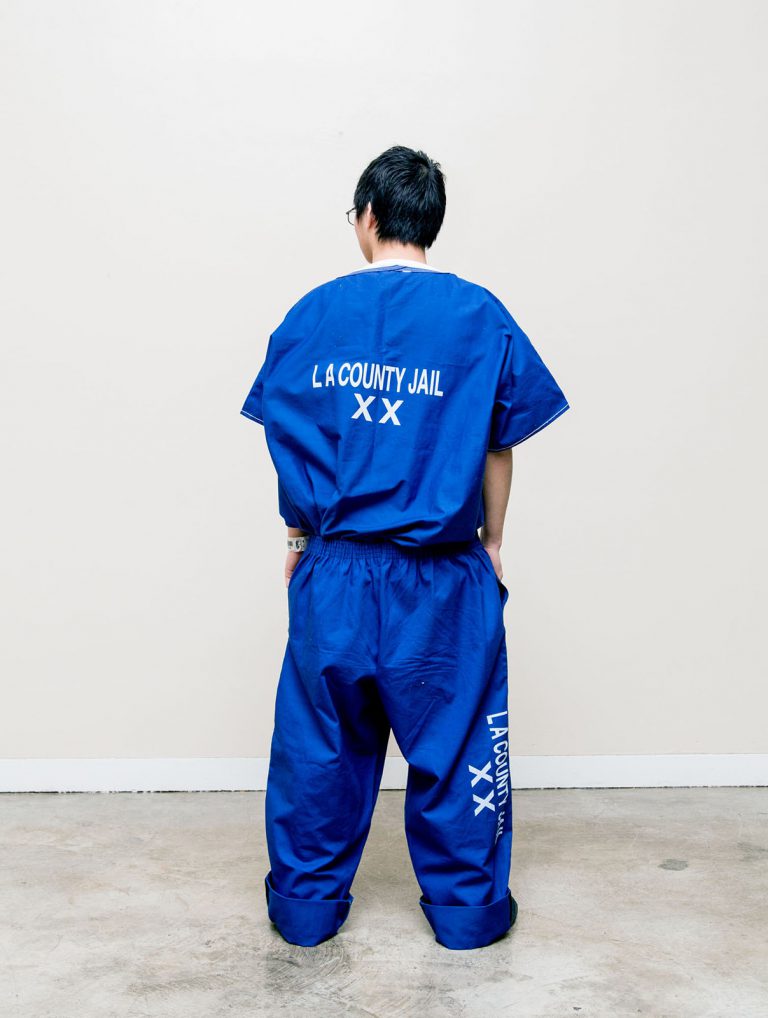
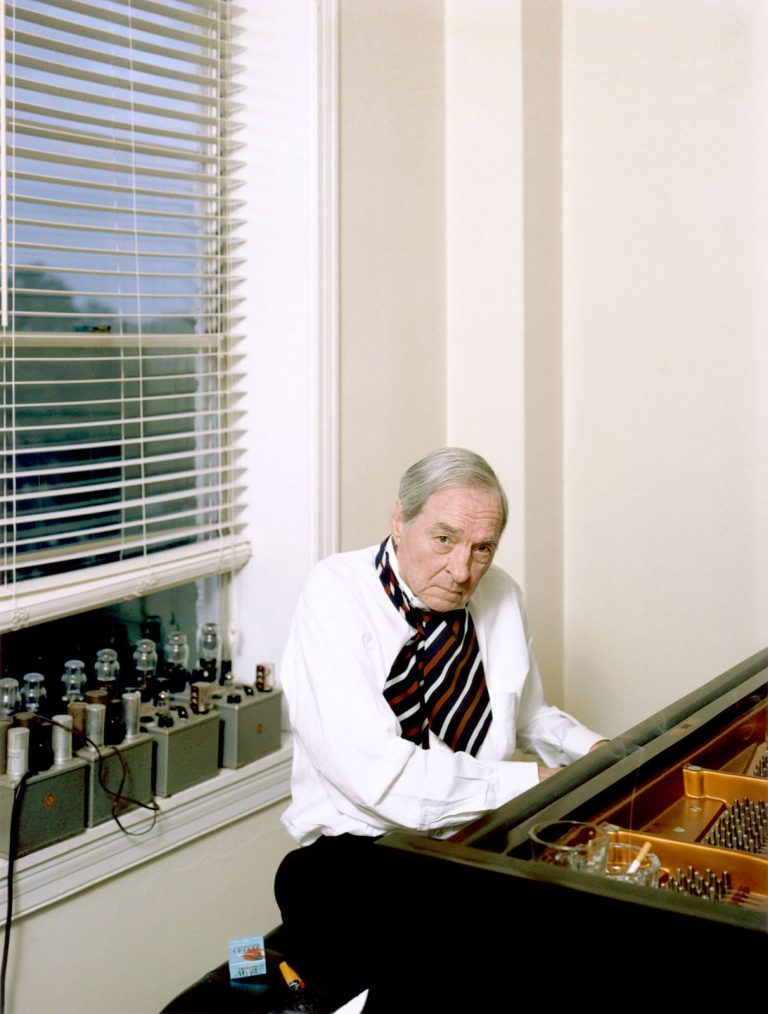
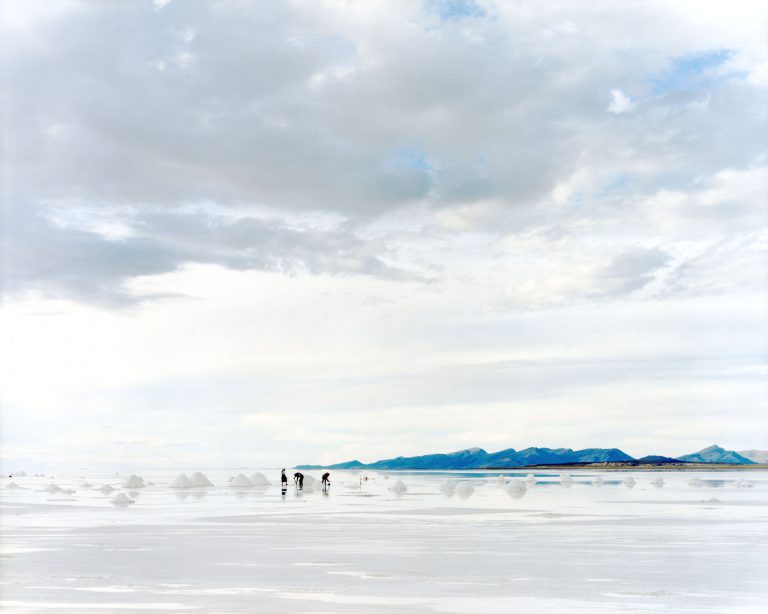
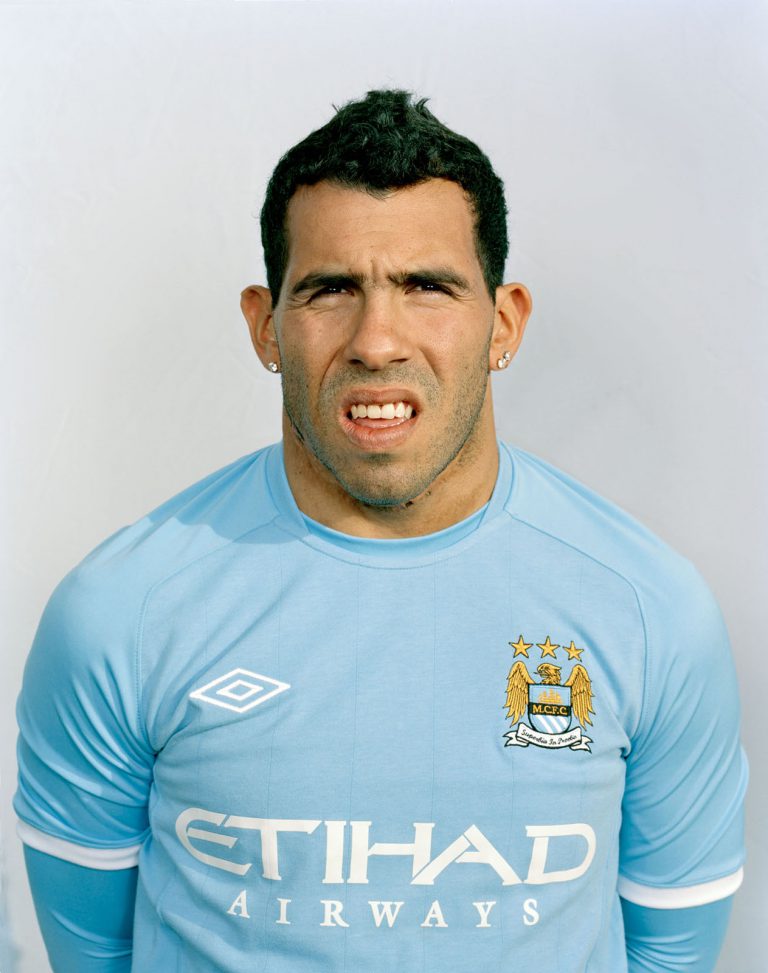
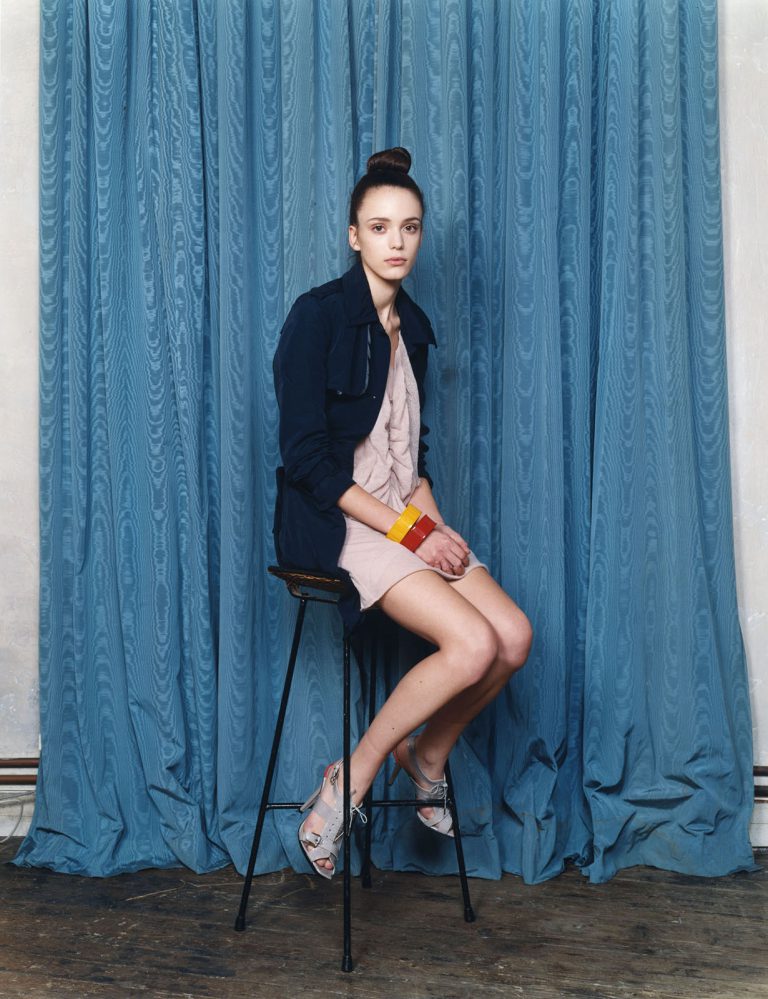
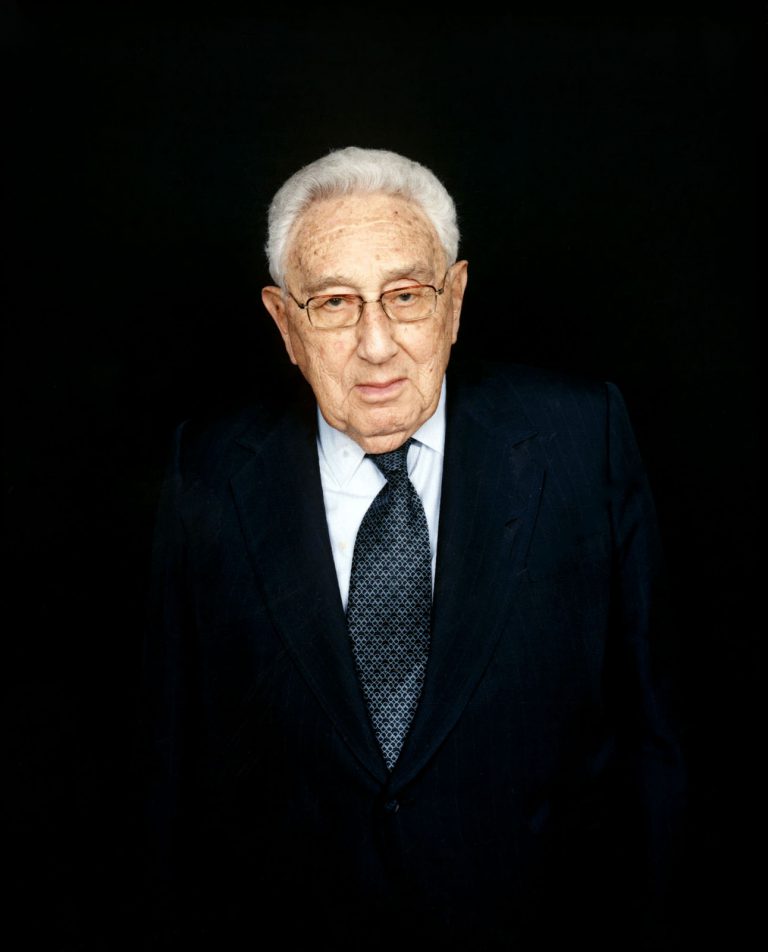
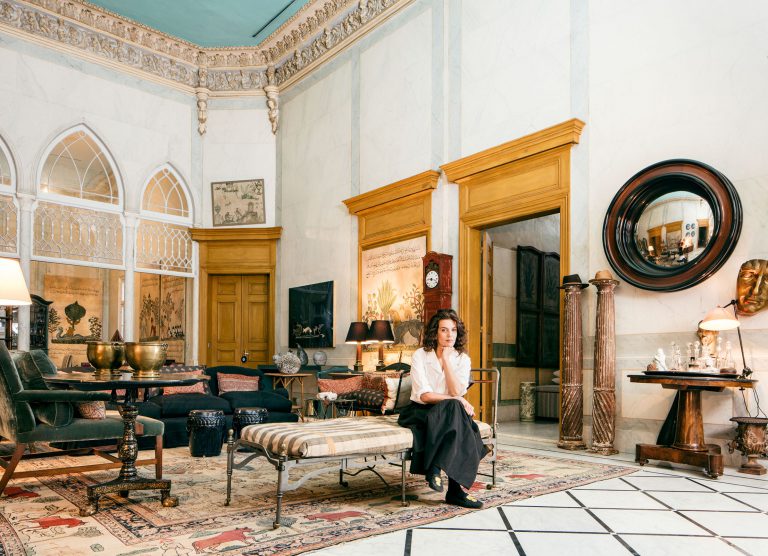
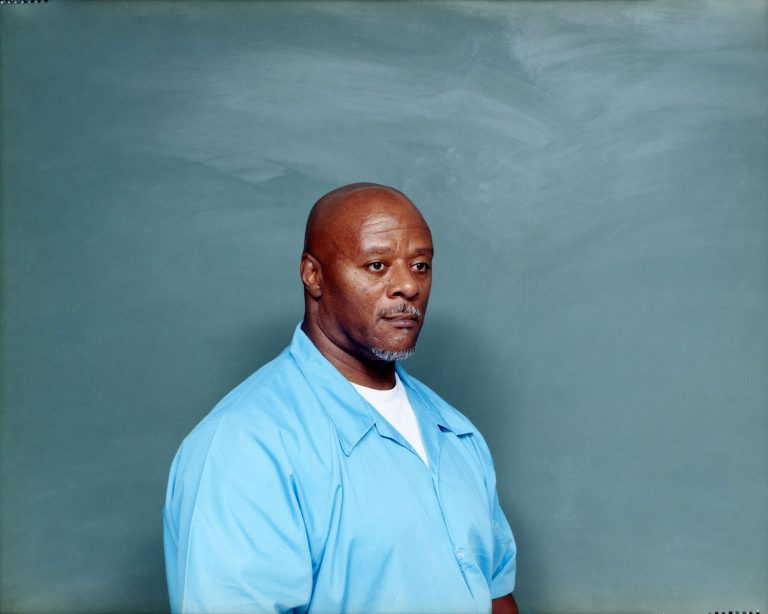
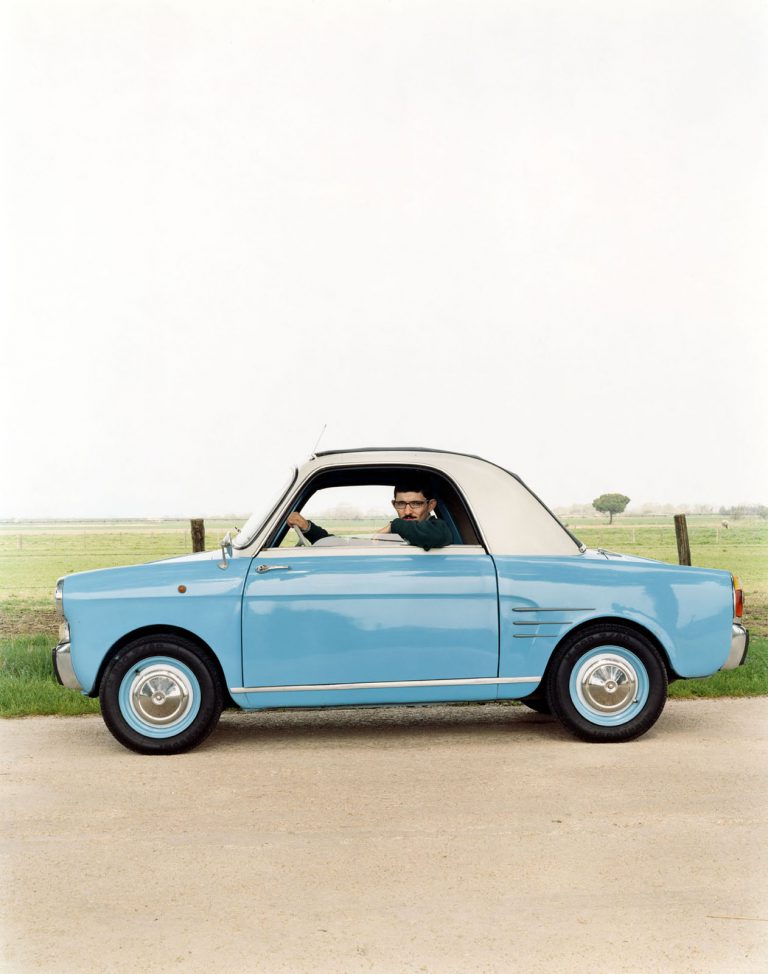
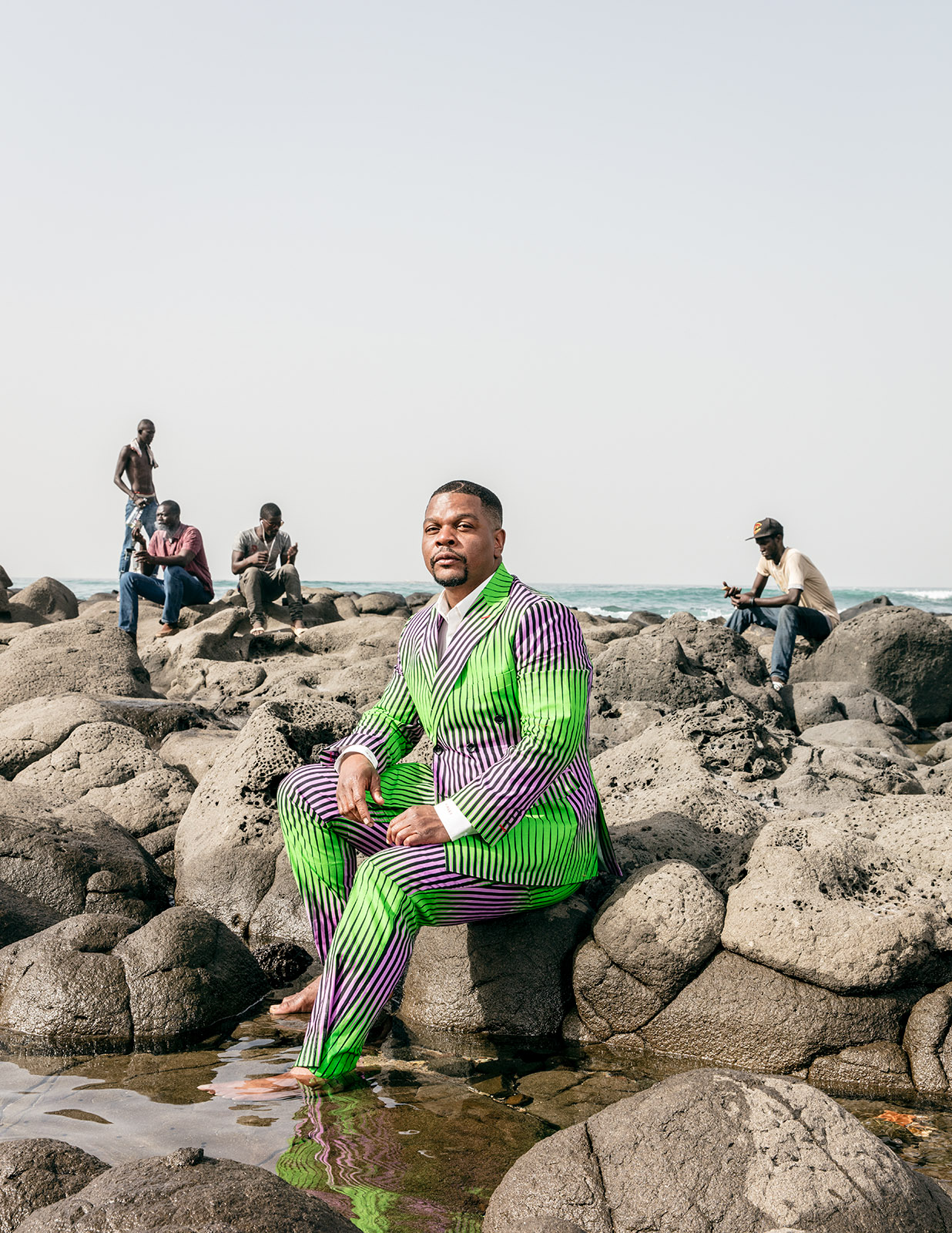
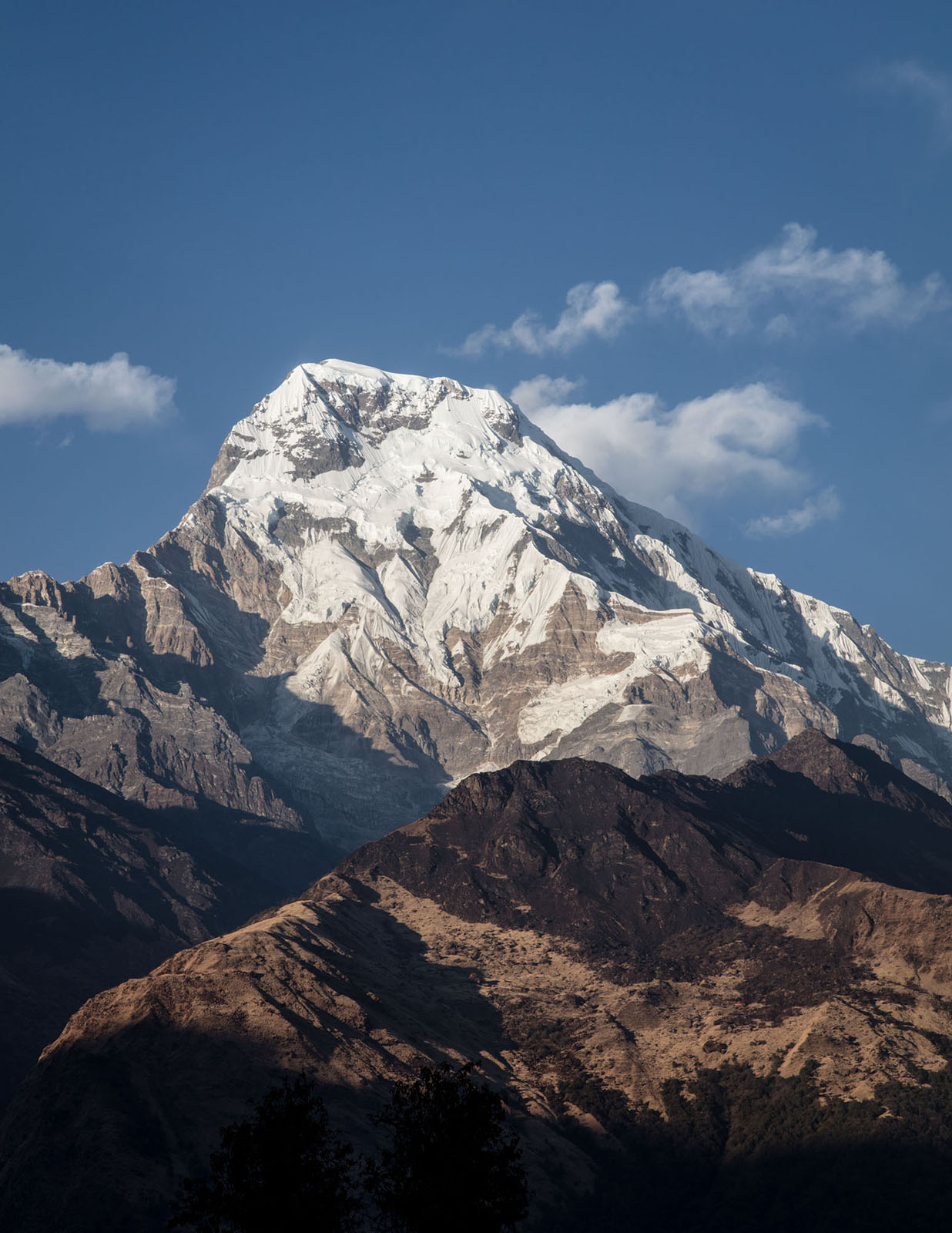
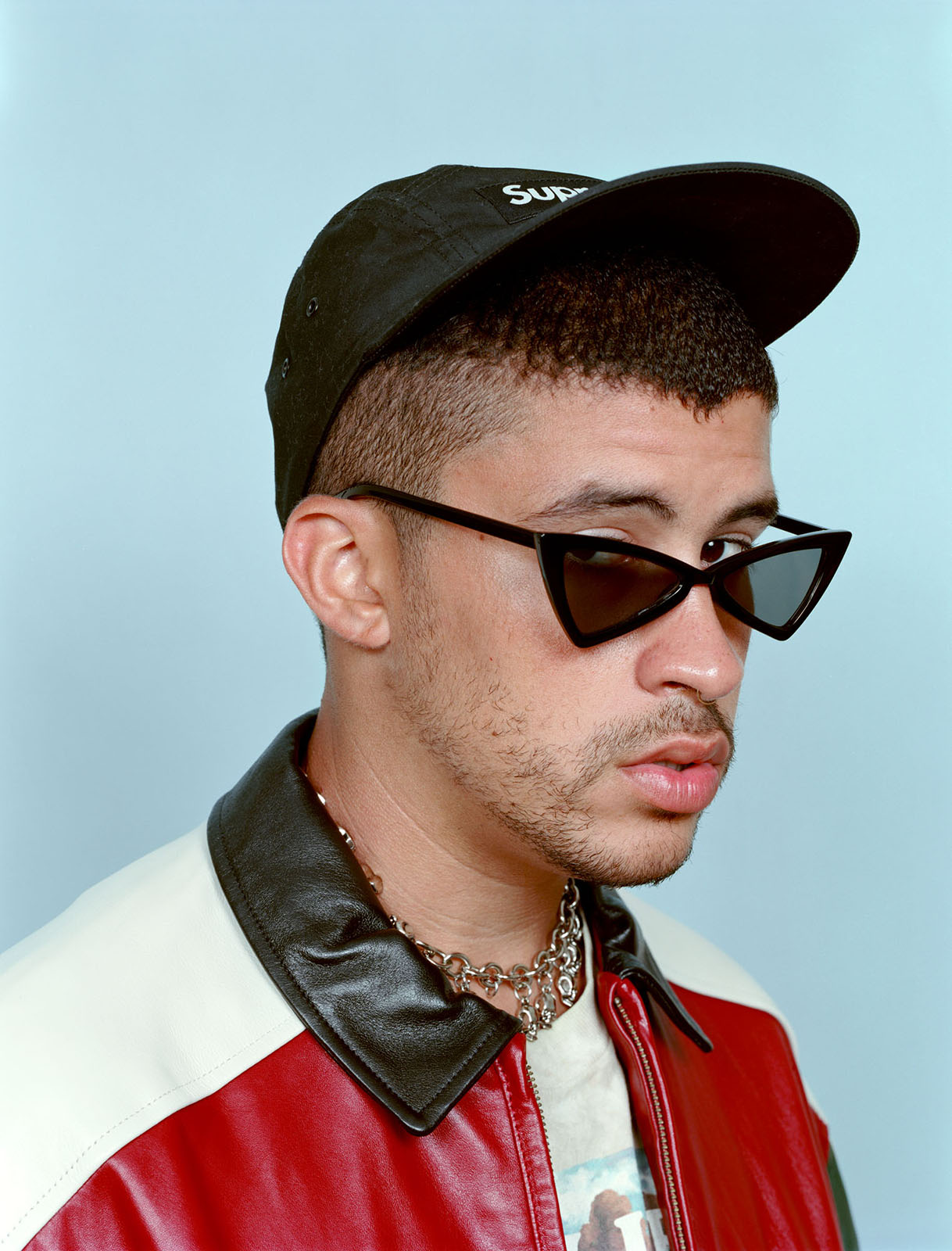
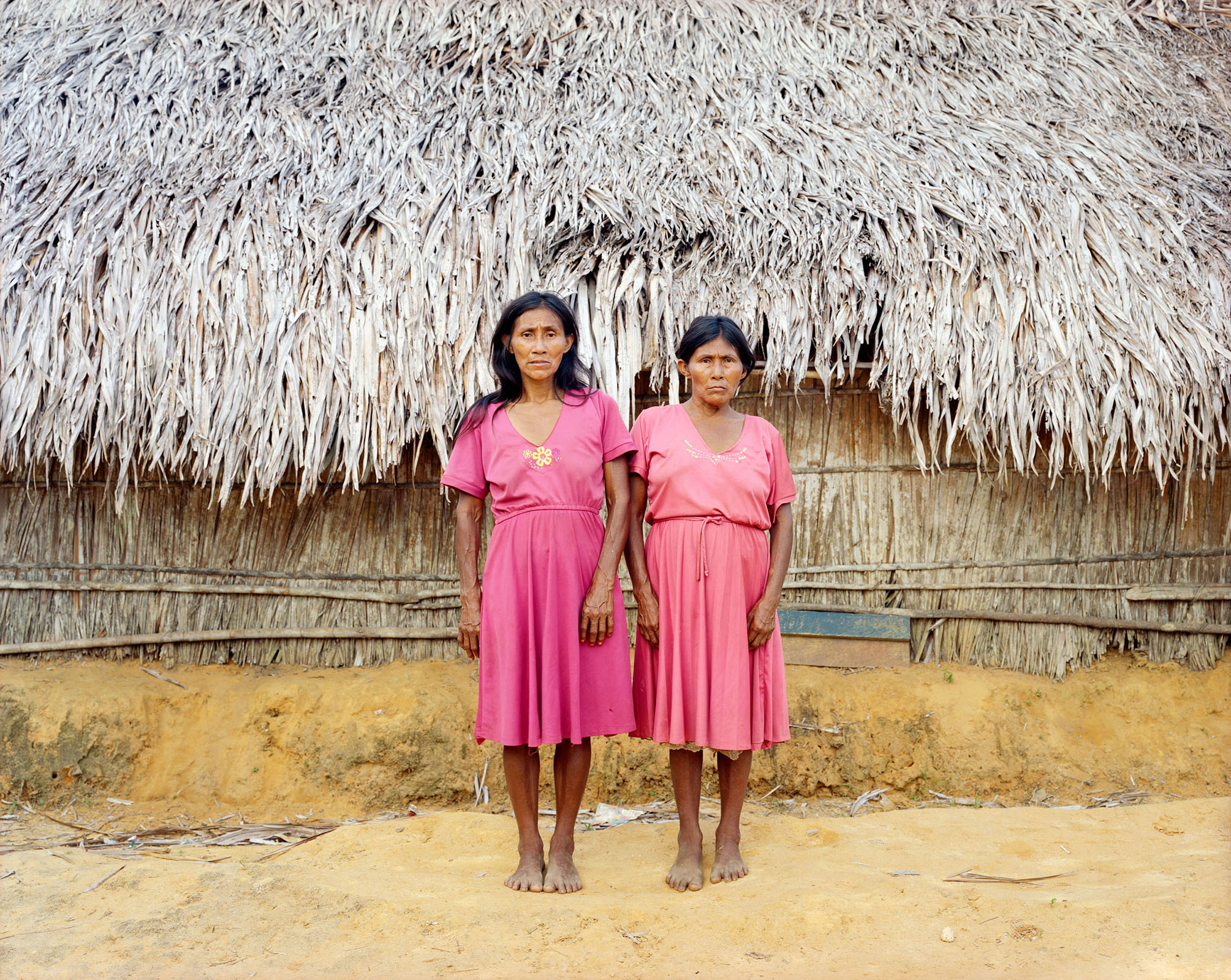
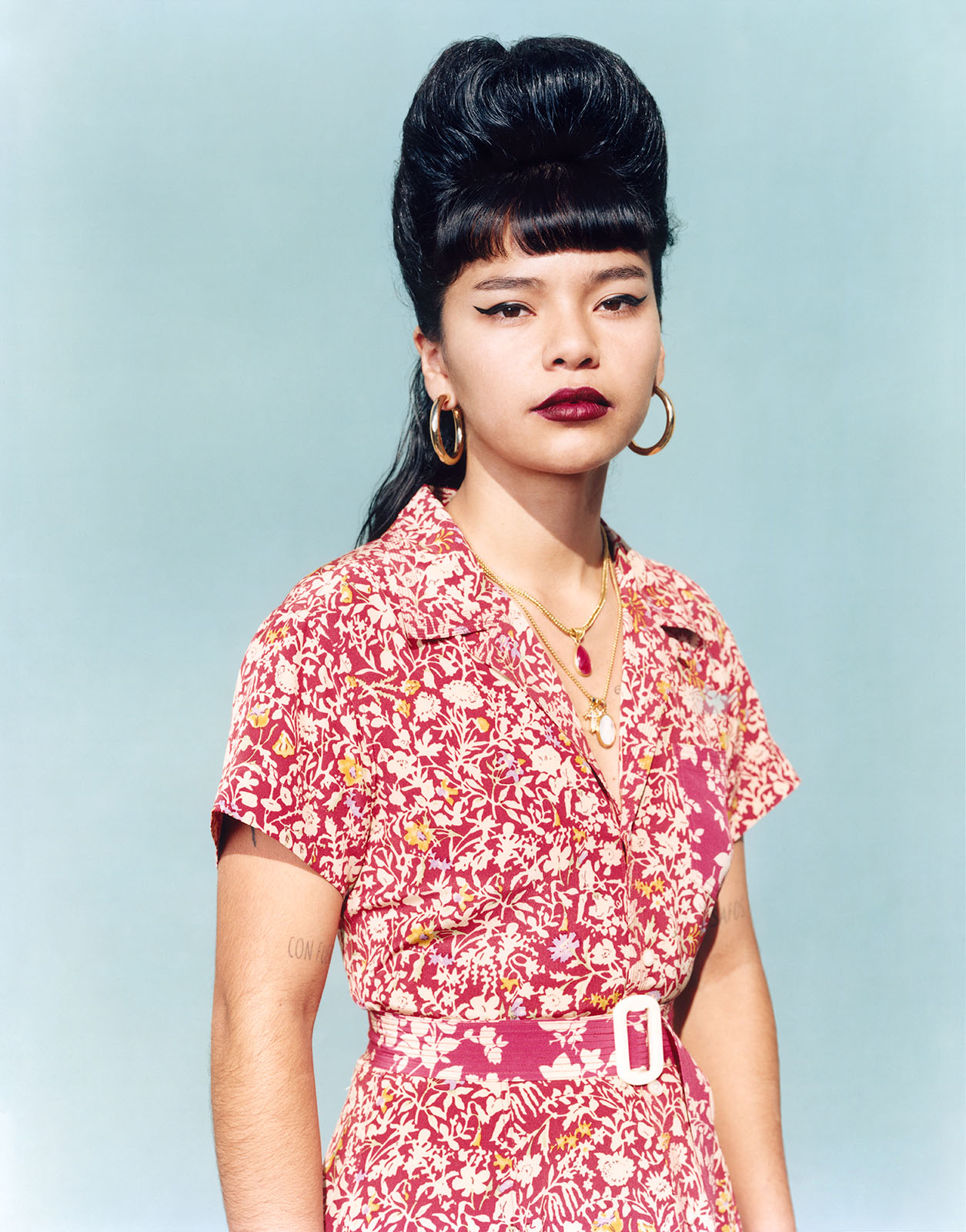
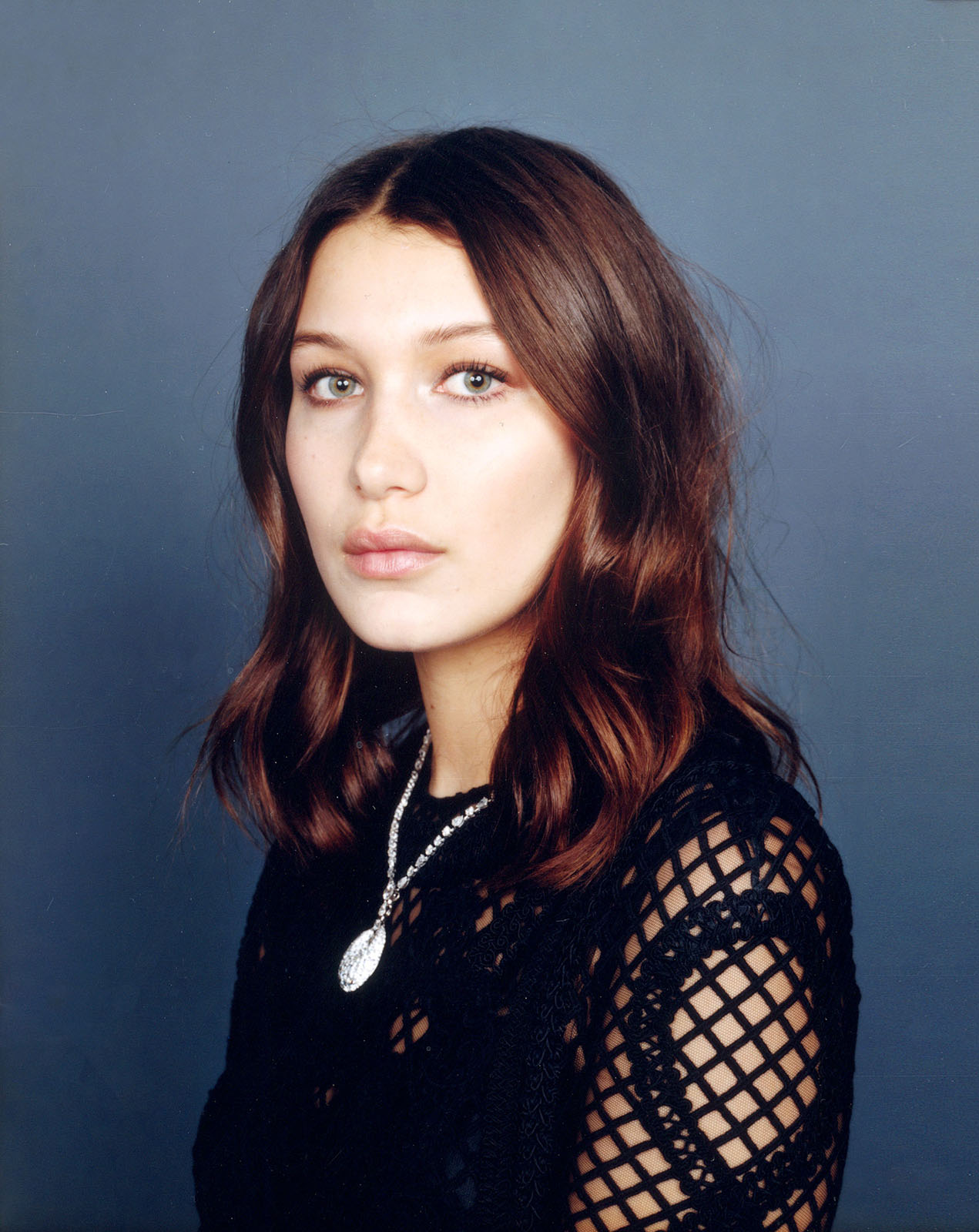
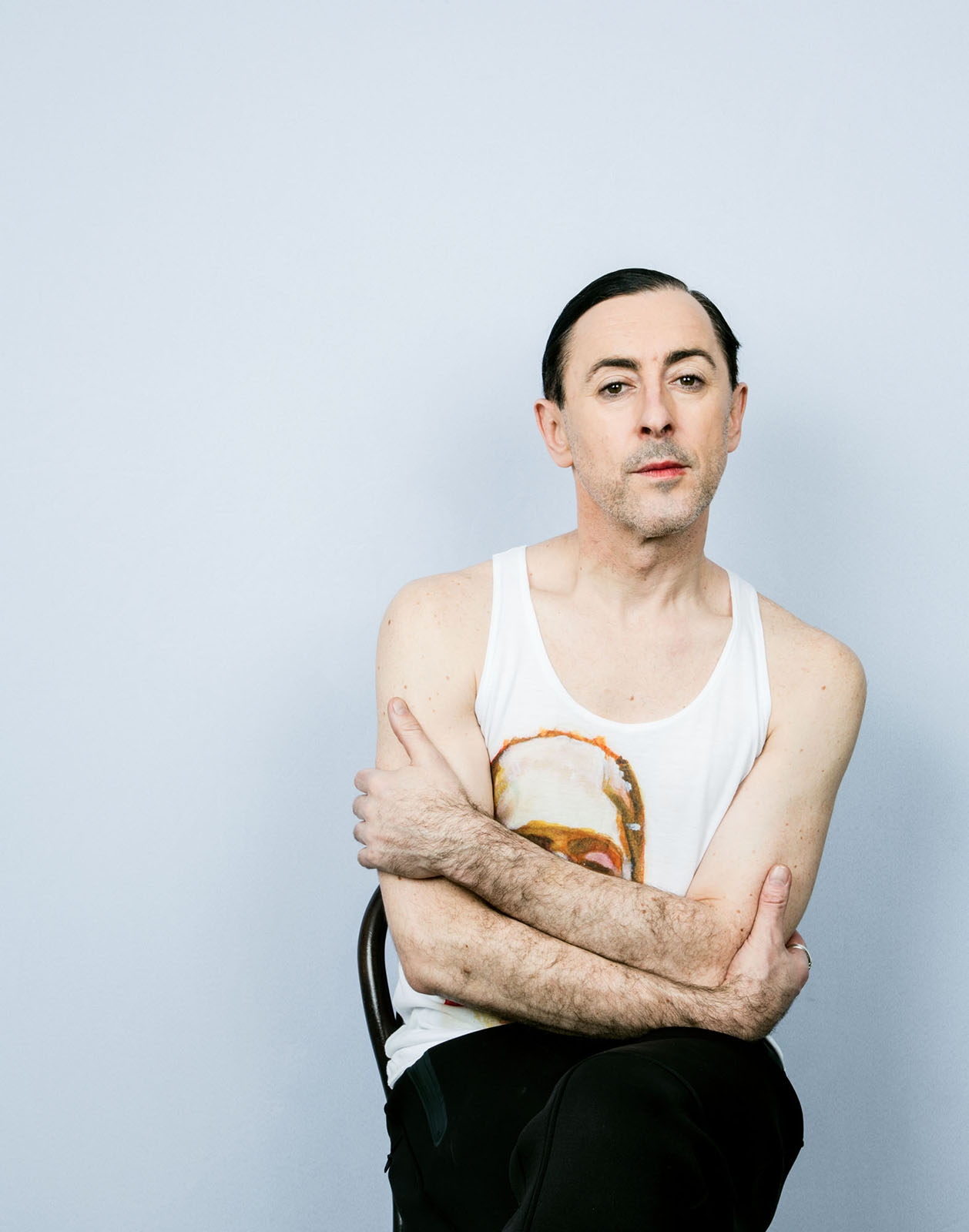
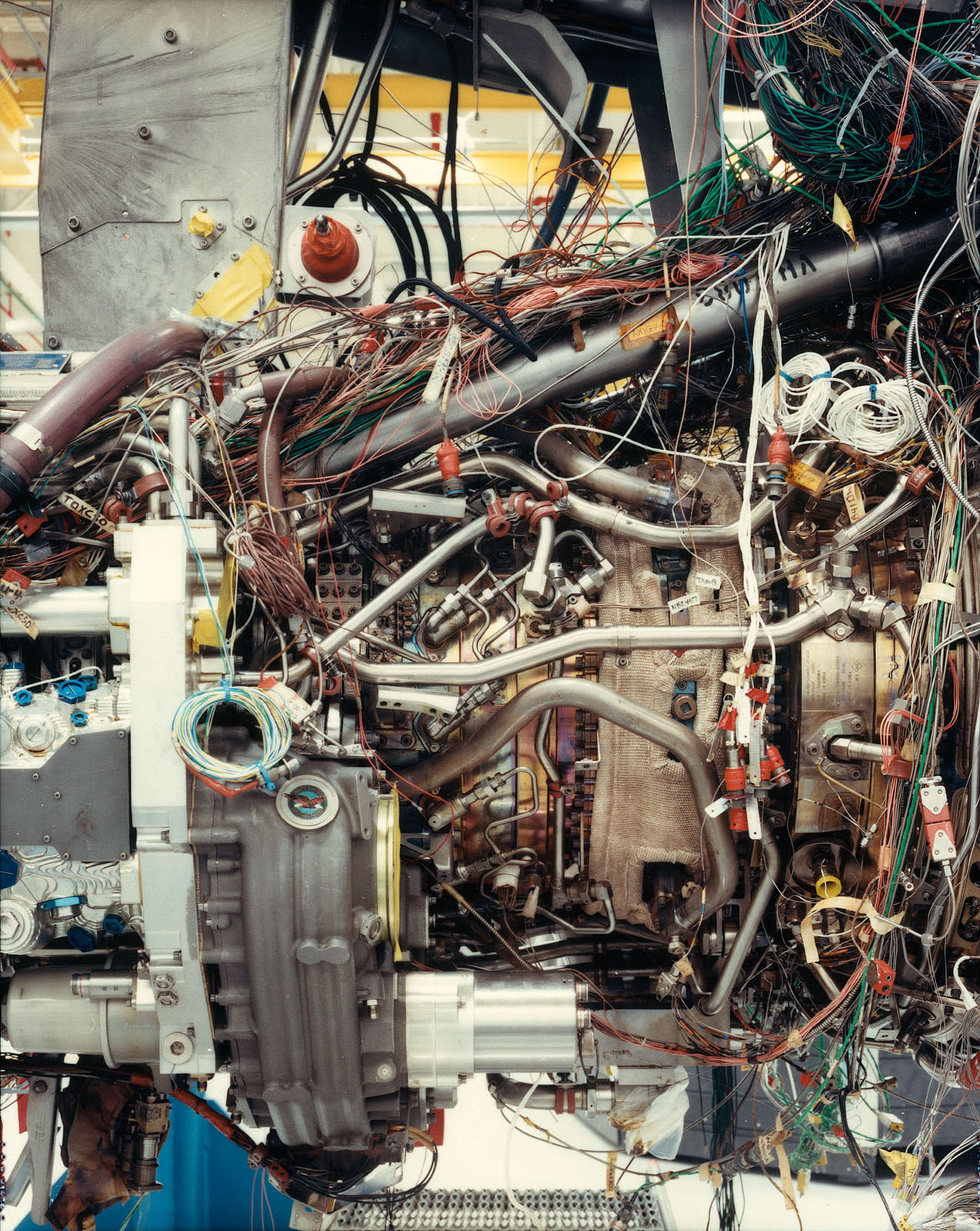
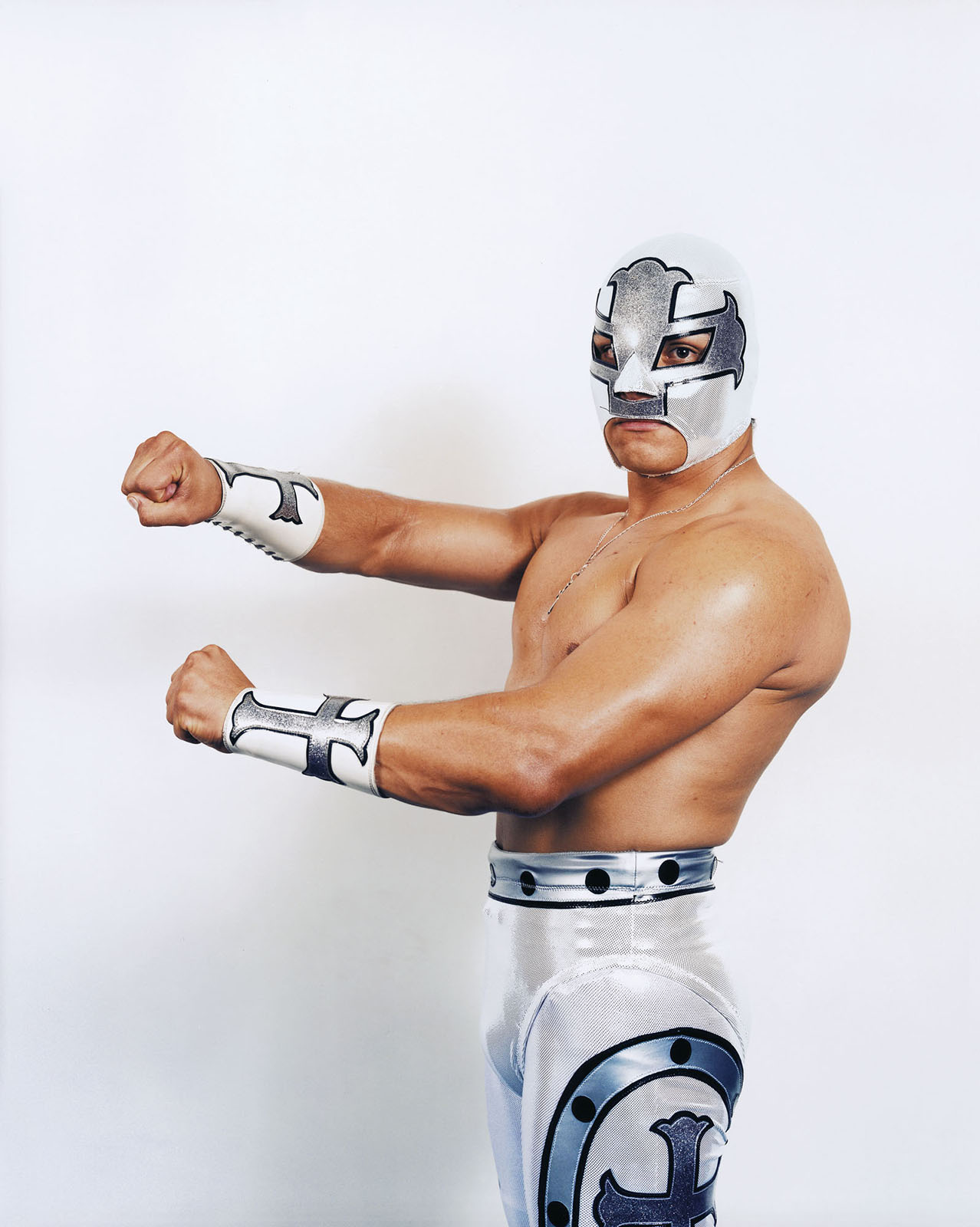
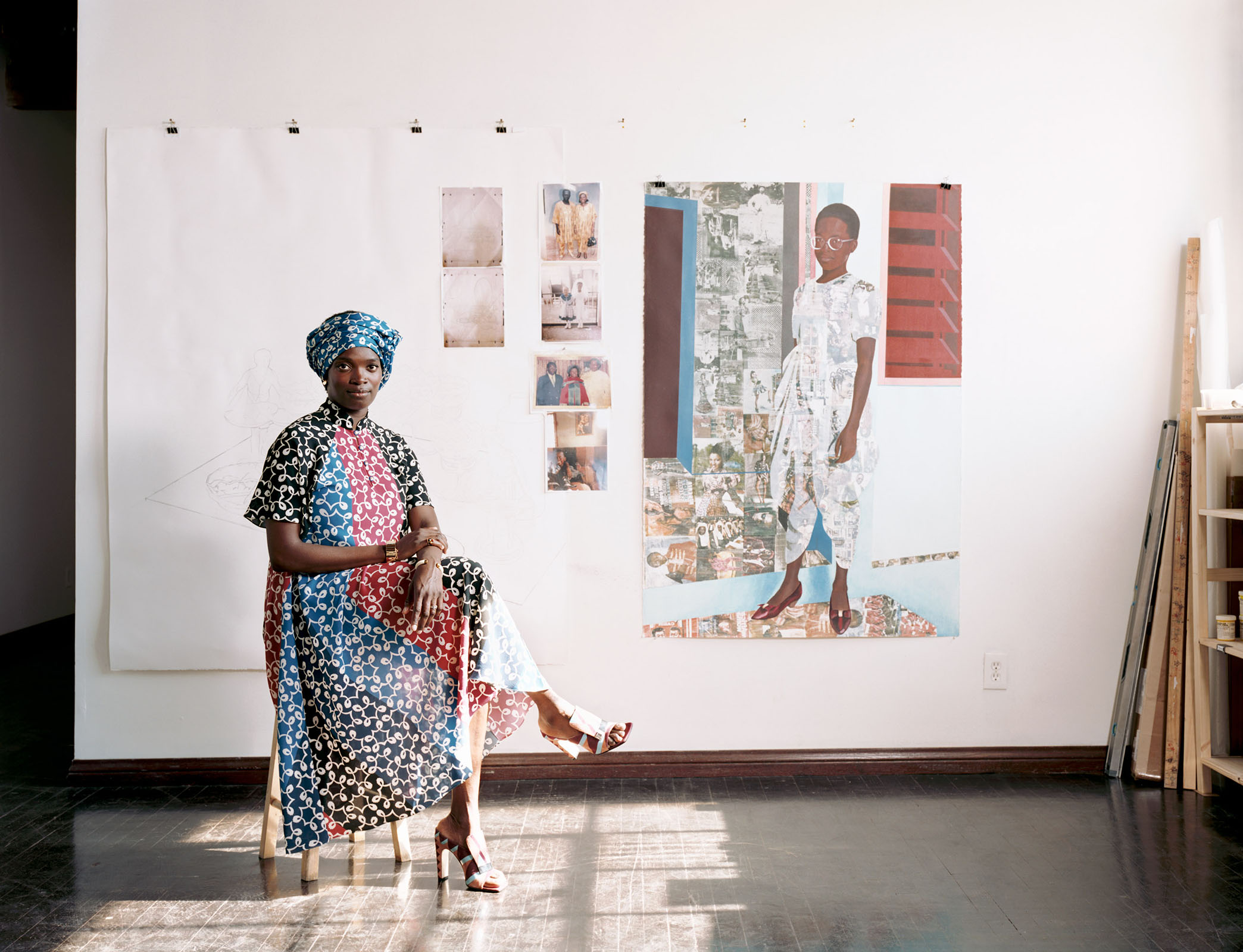
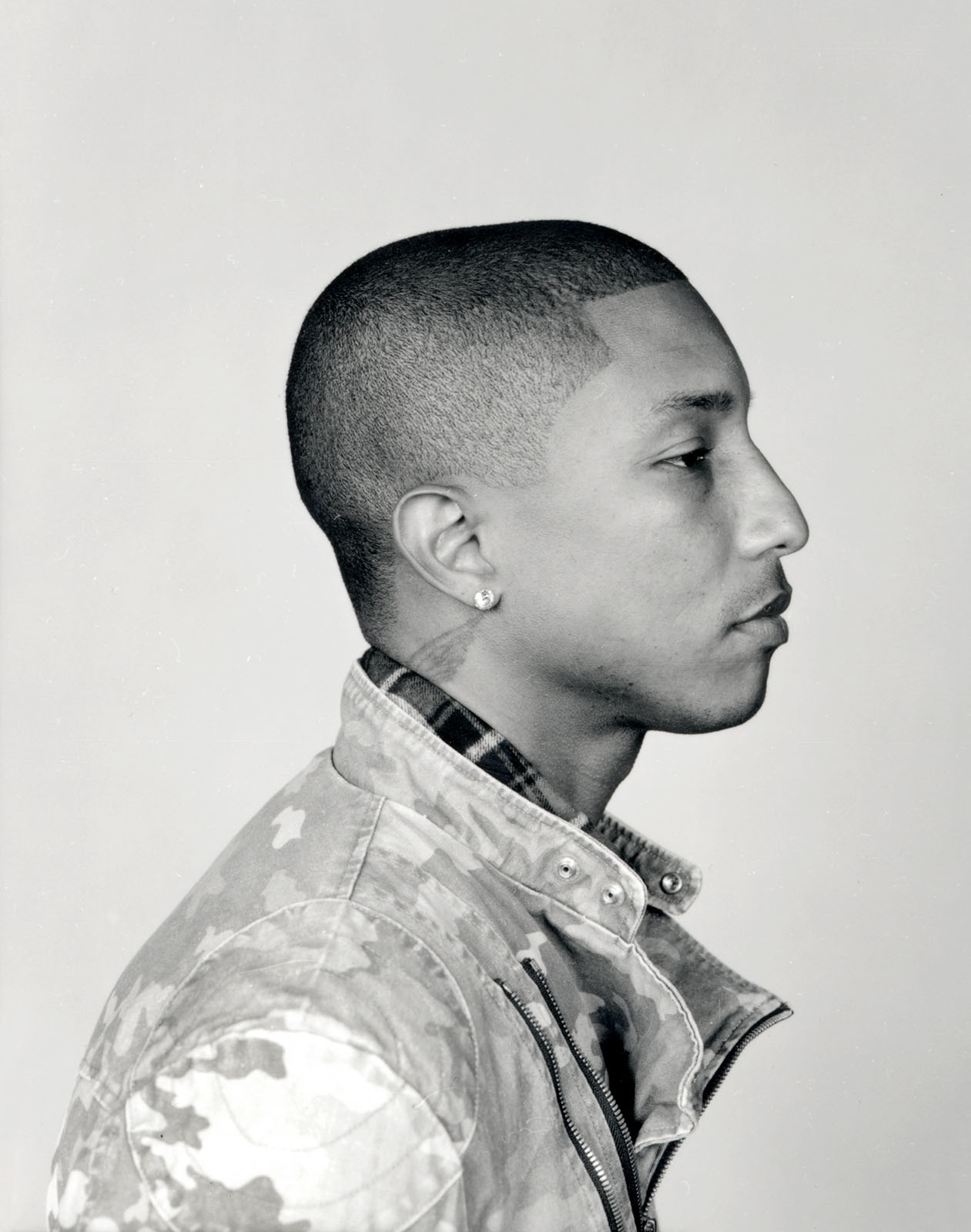
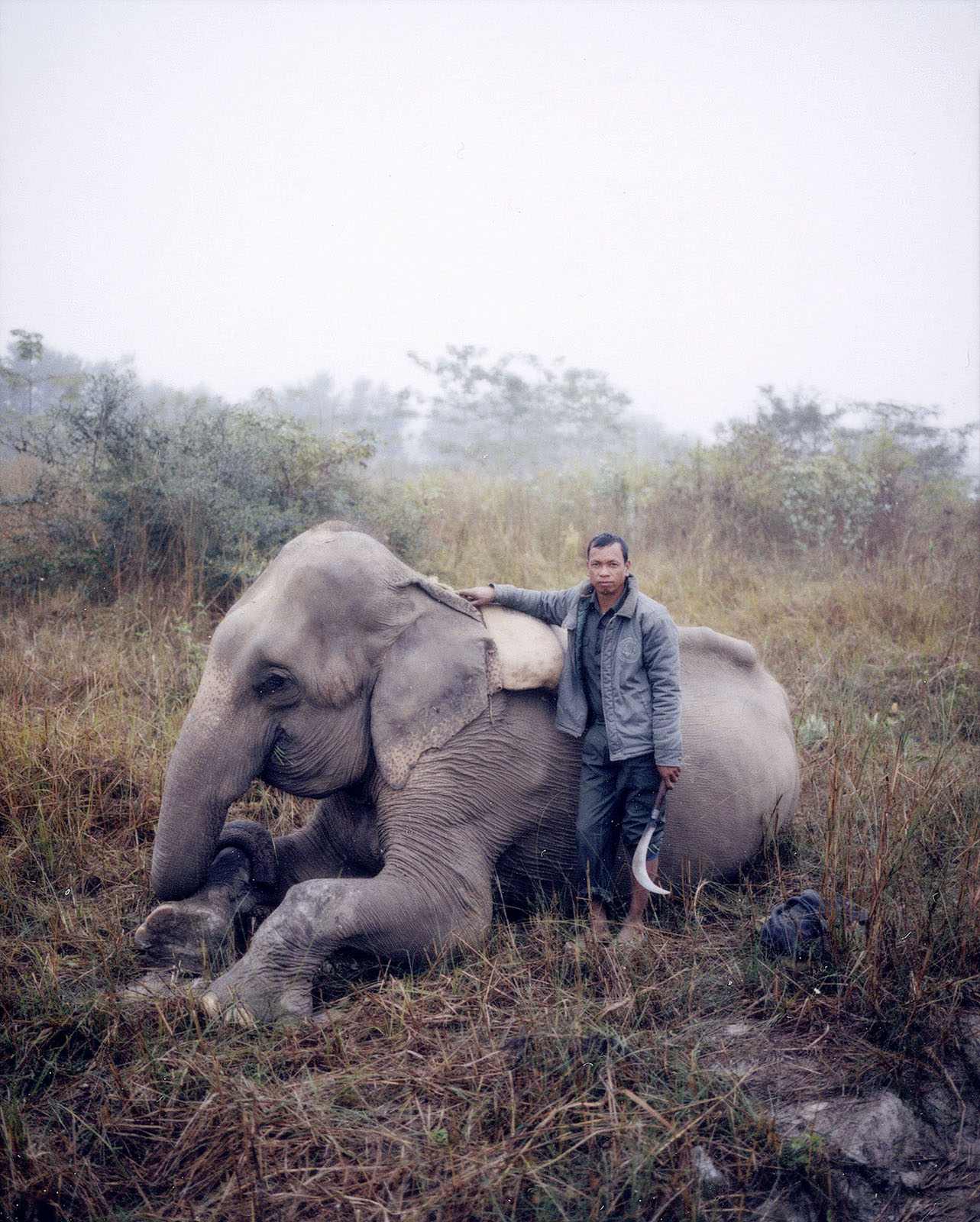
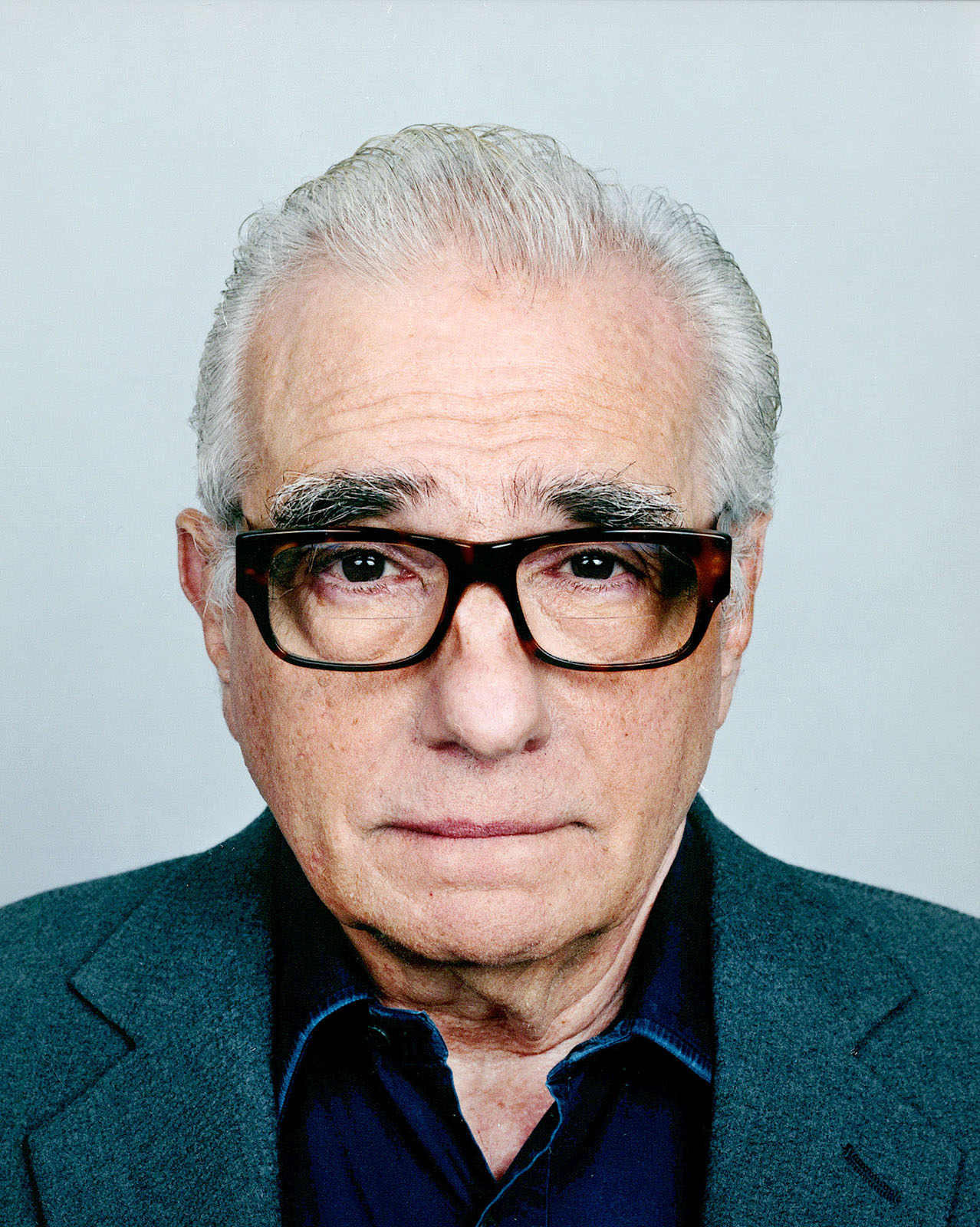
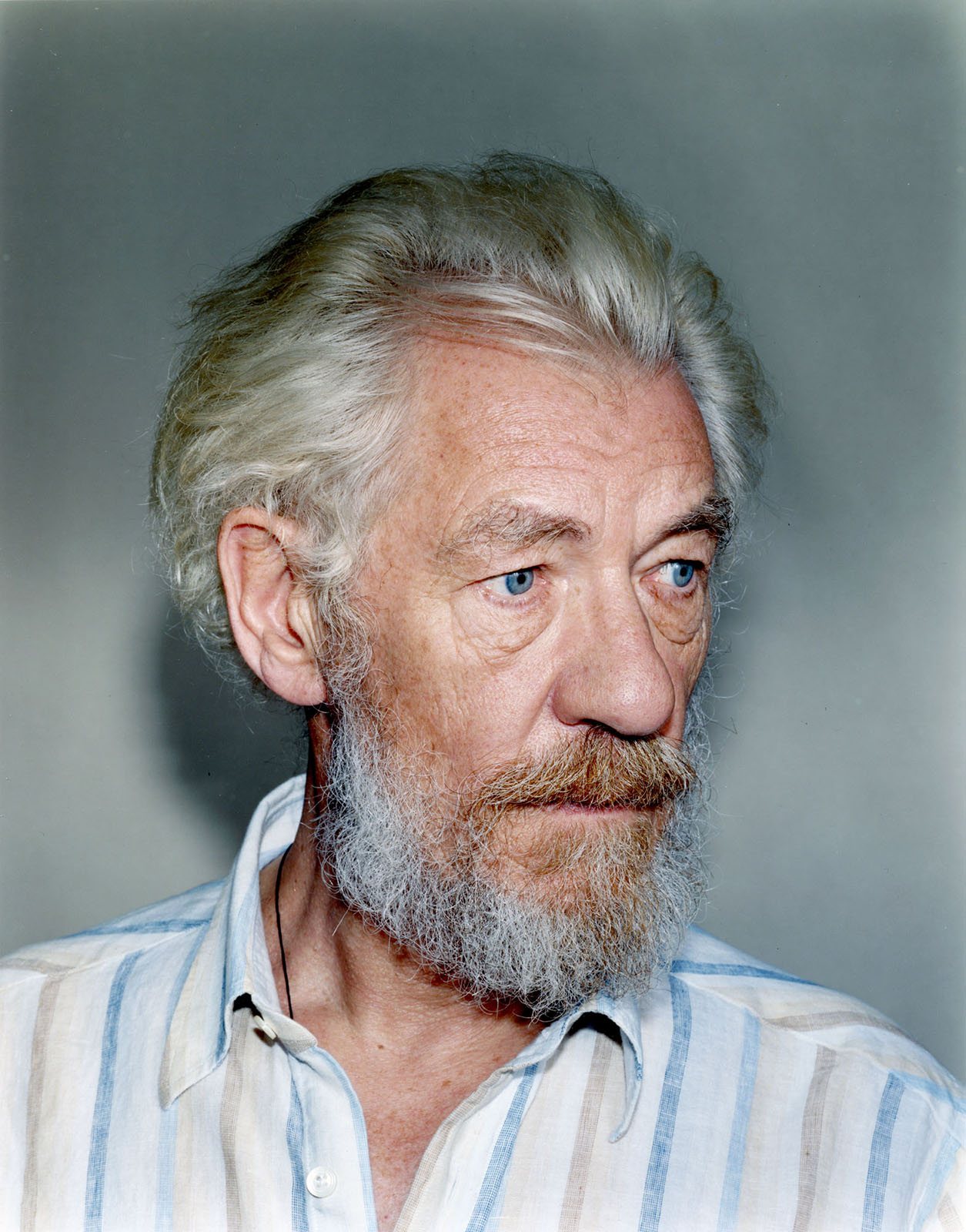
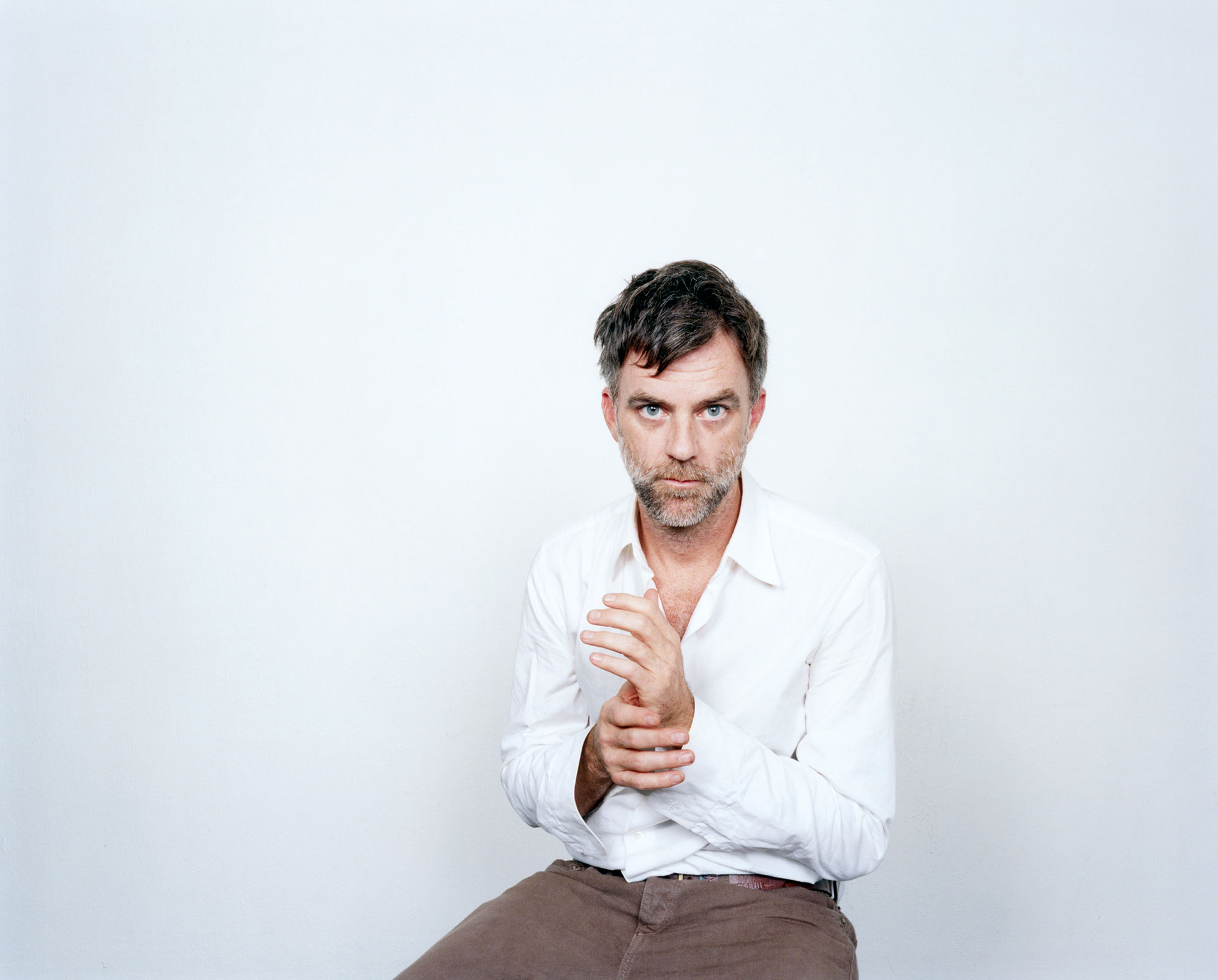
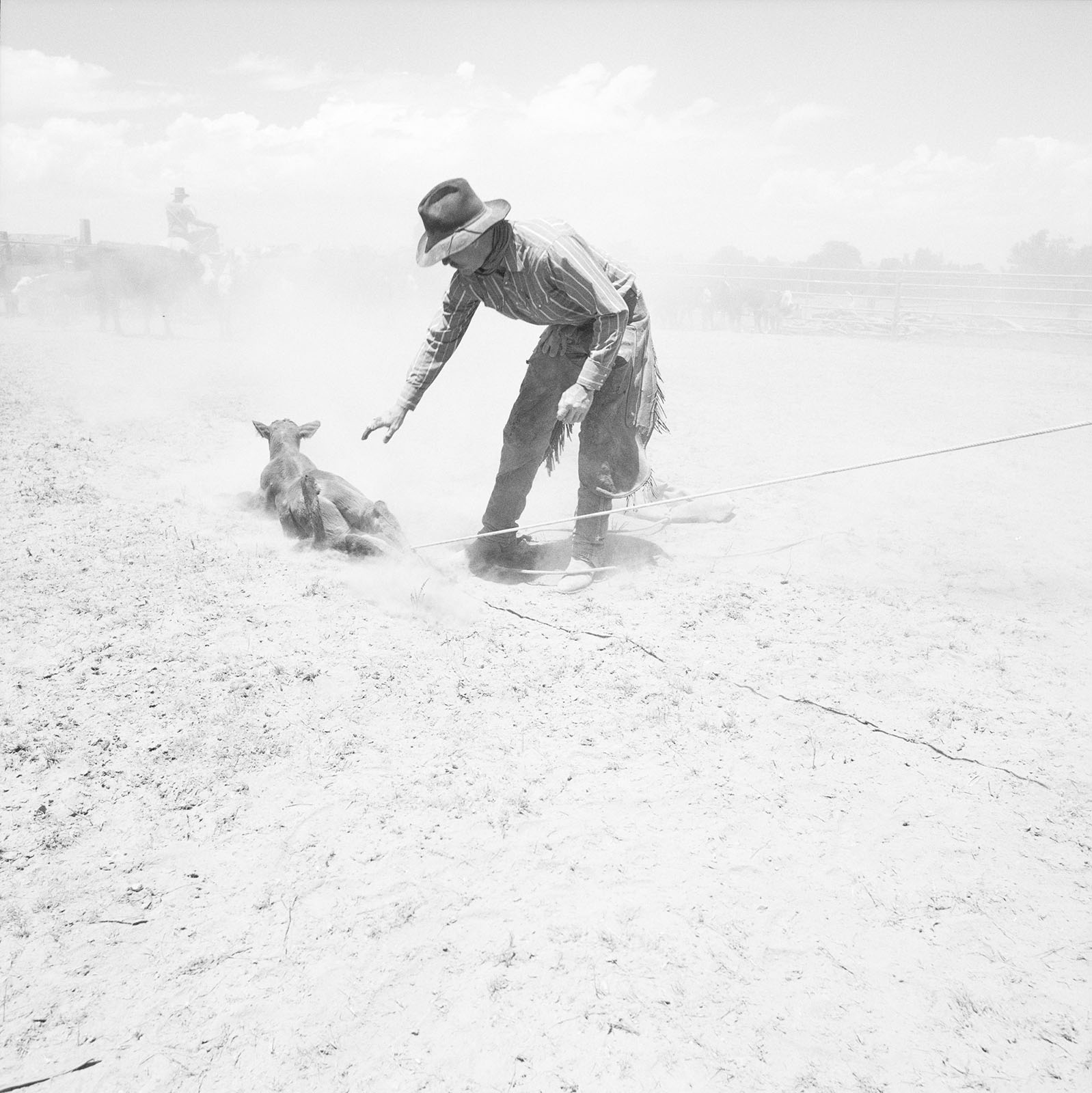
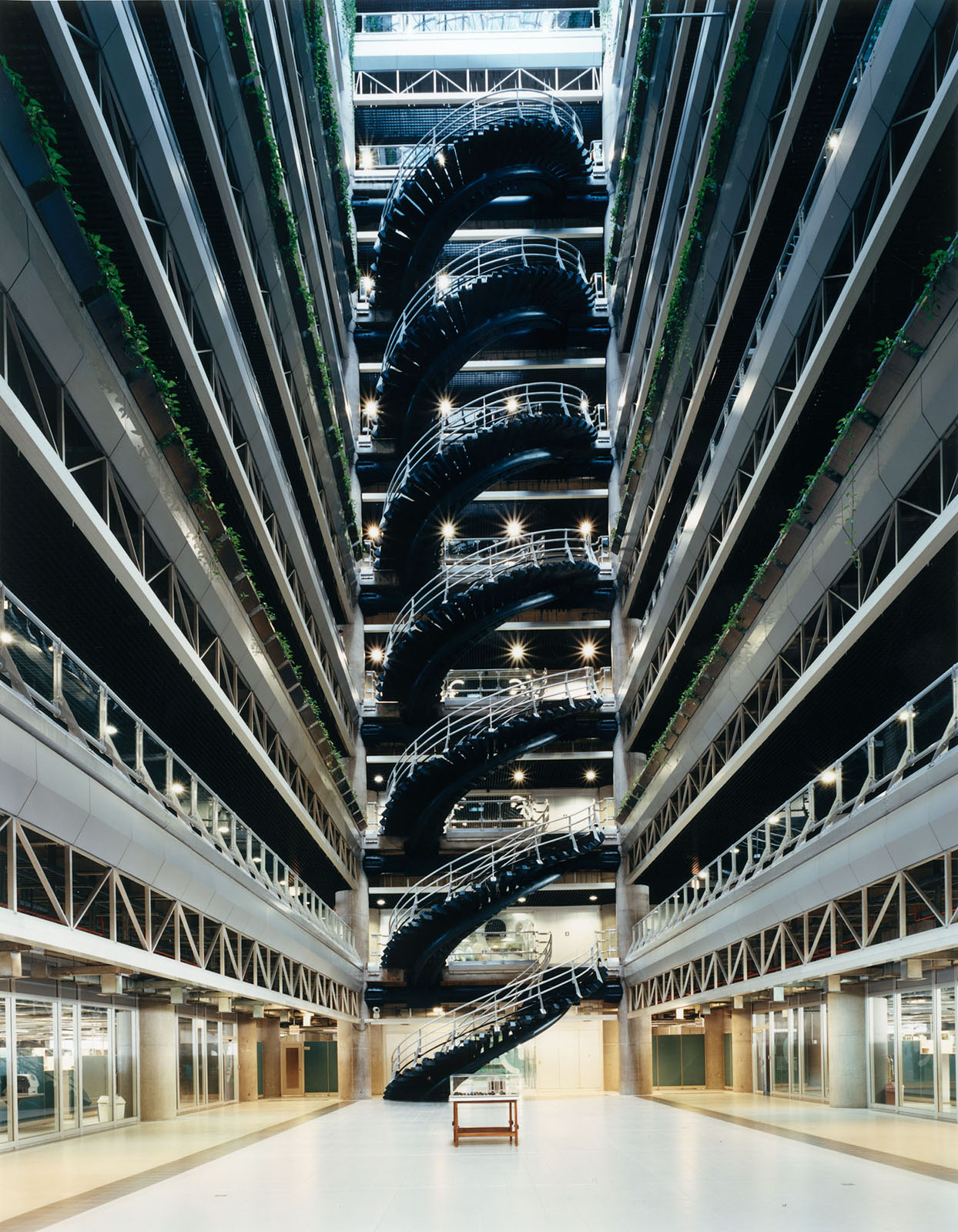
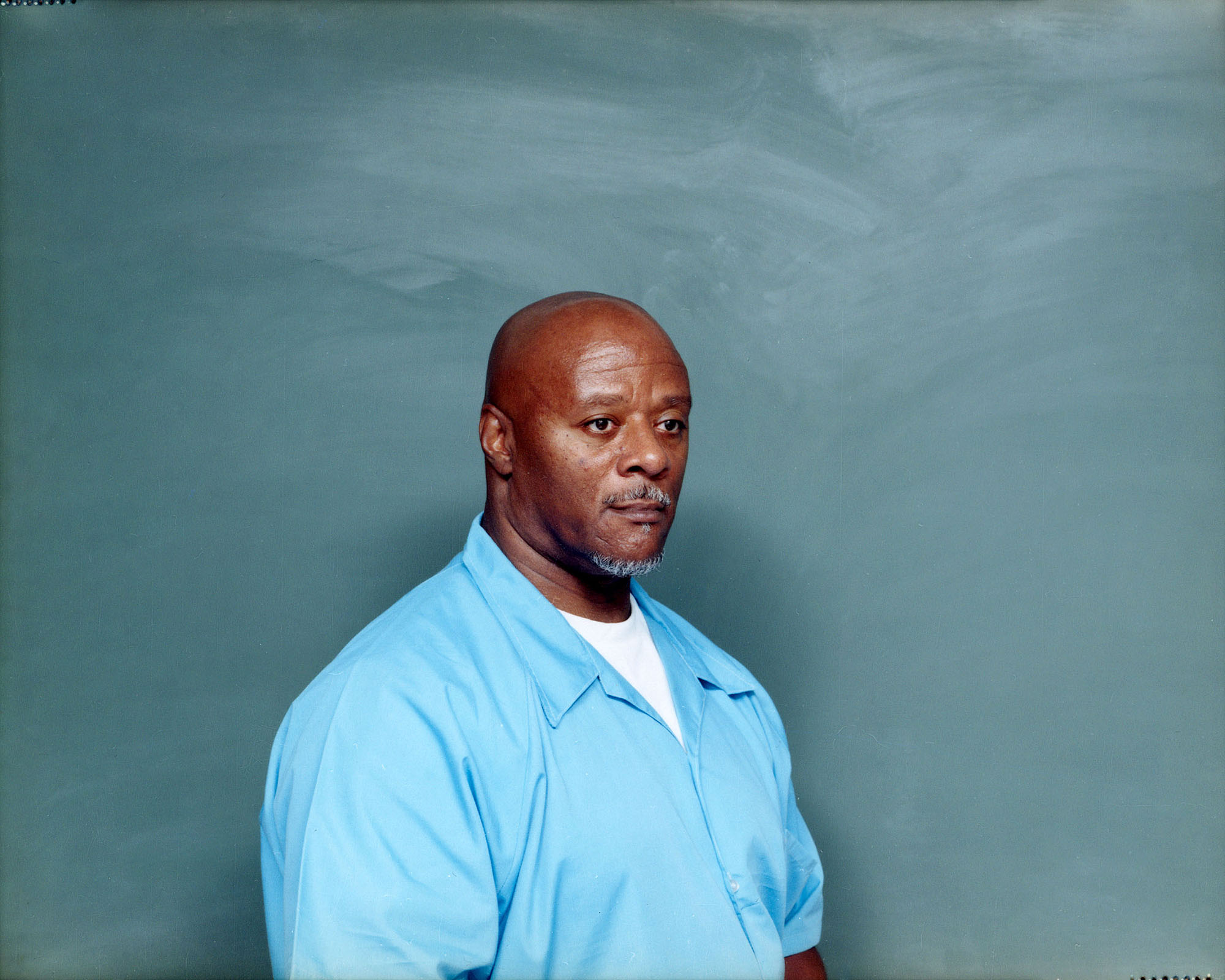
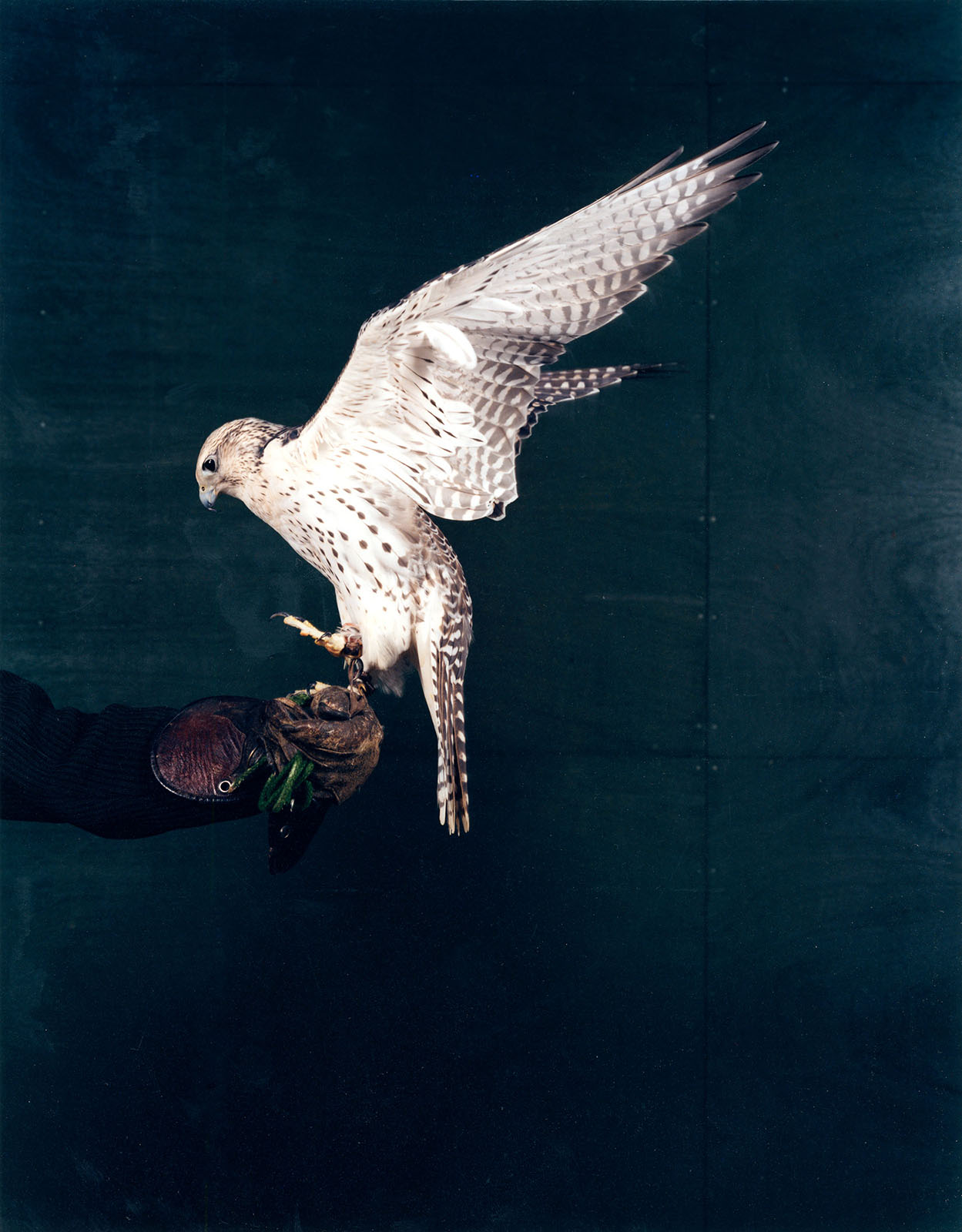
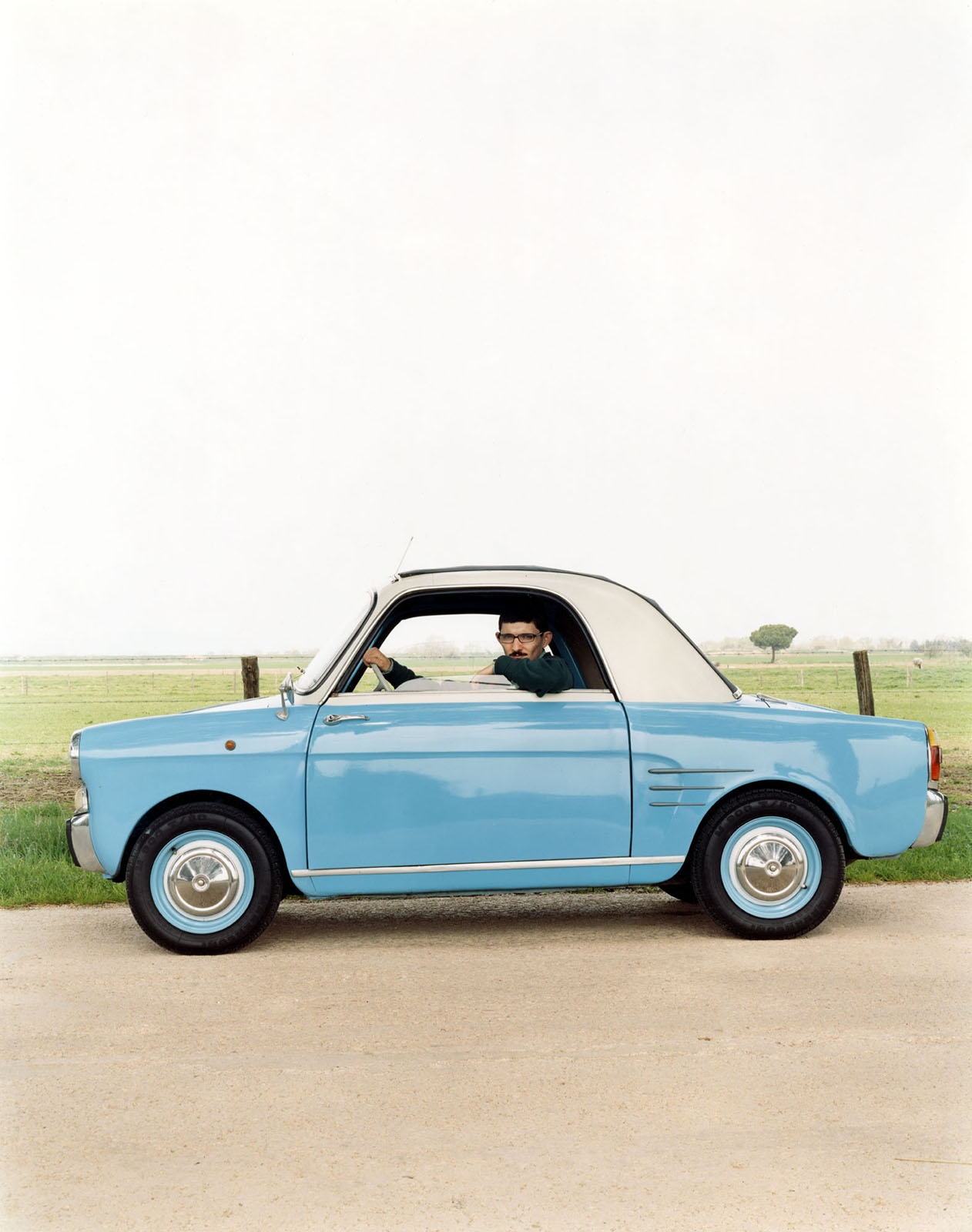
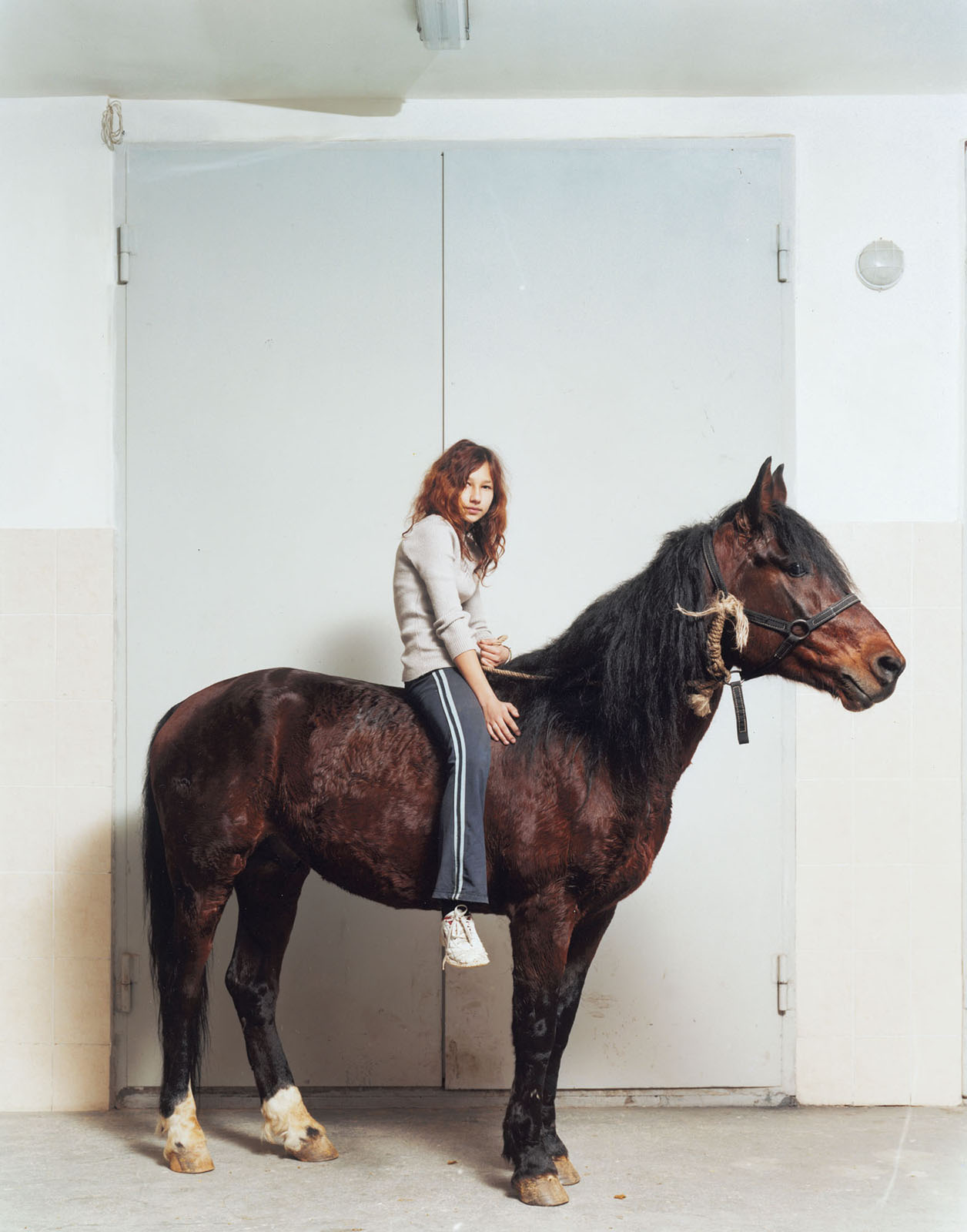
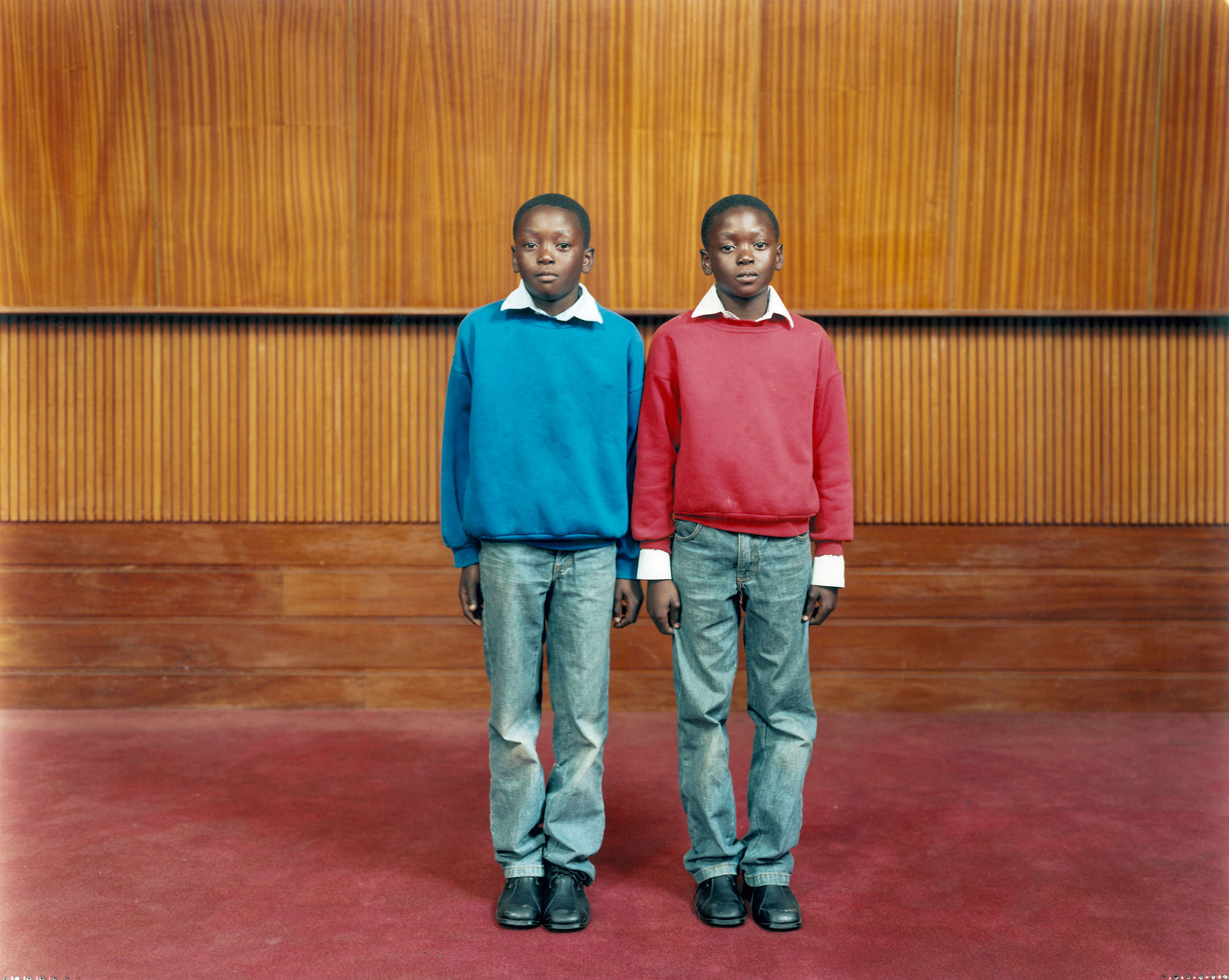
Marat Kozhagaliev, Almaty, Kazakhstan, 2006
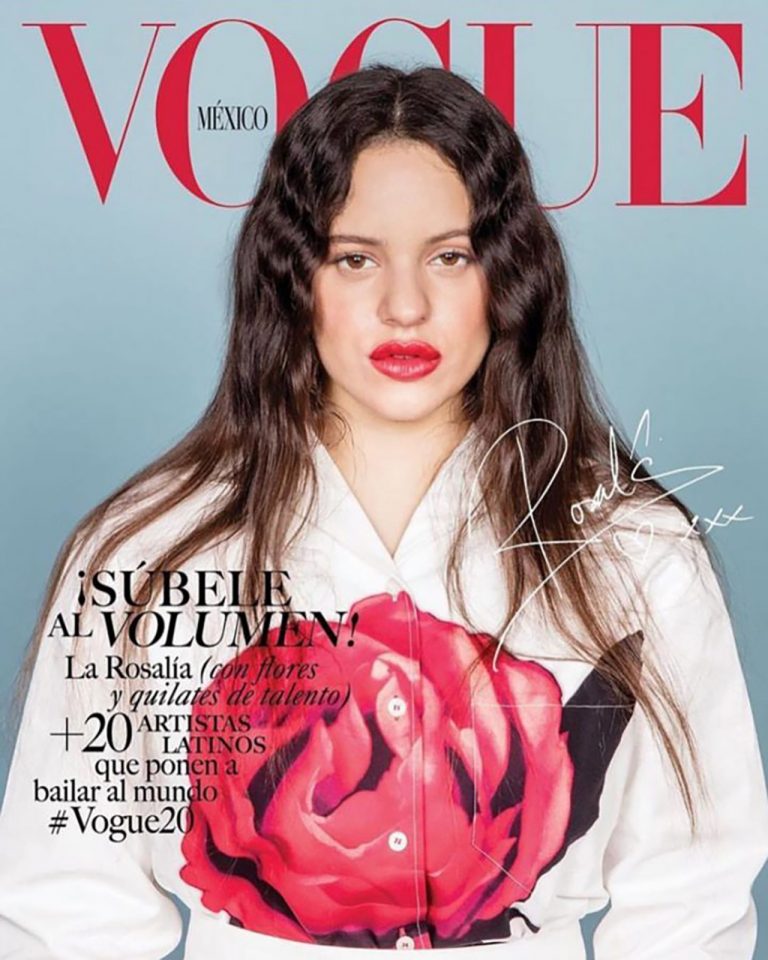
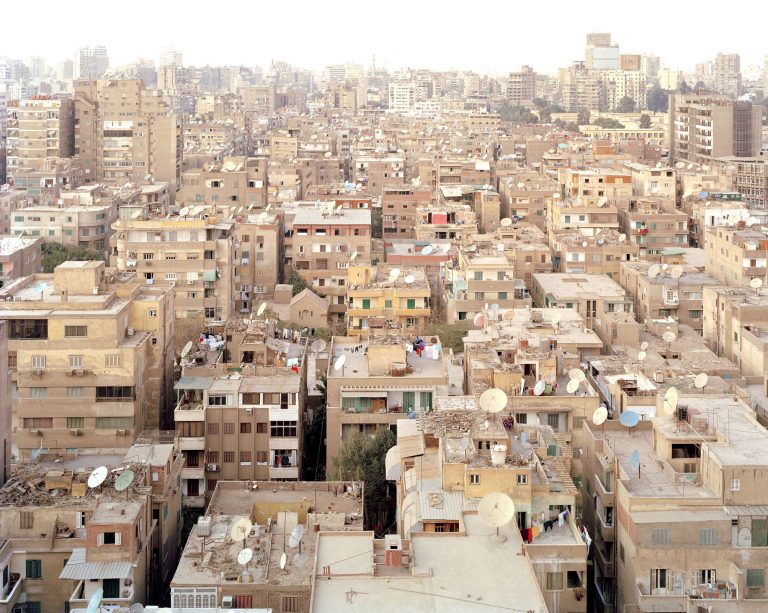
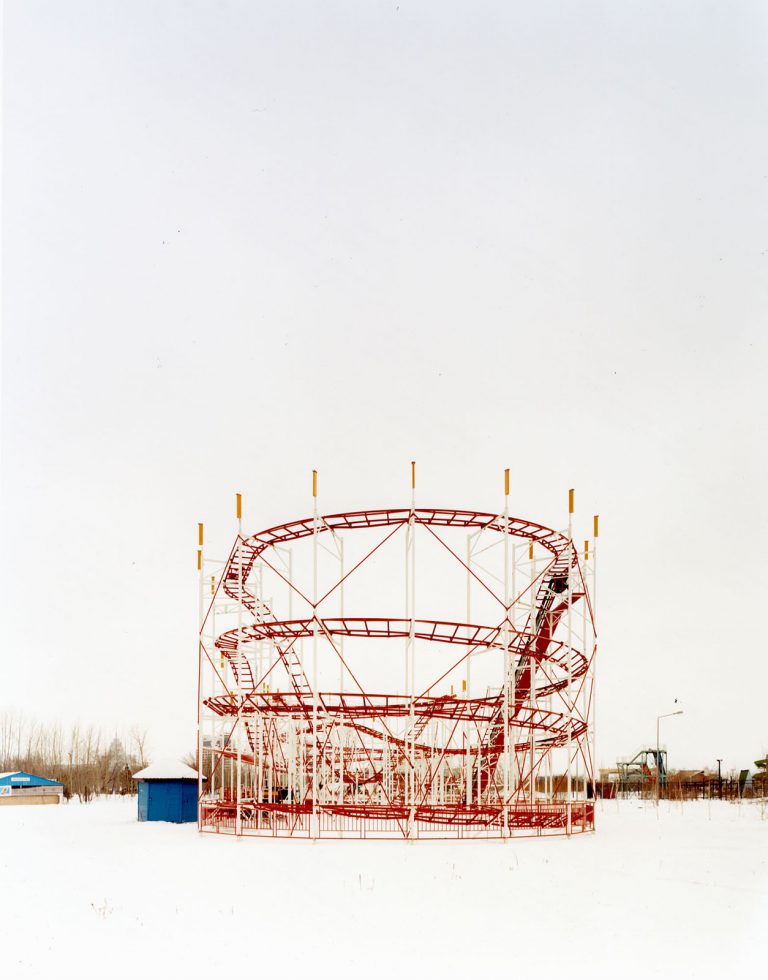
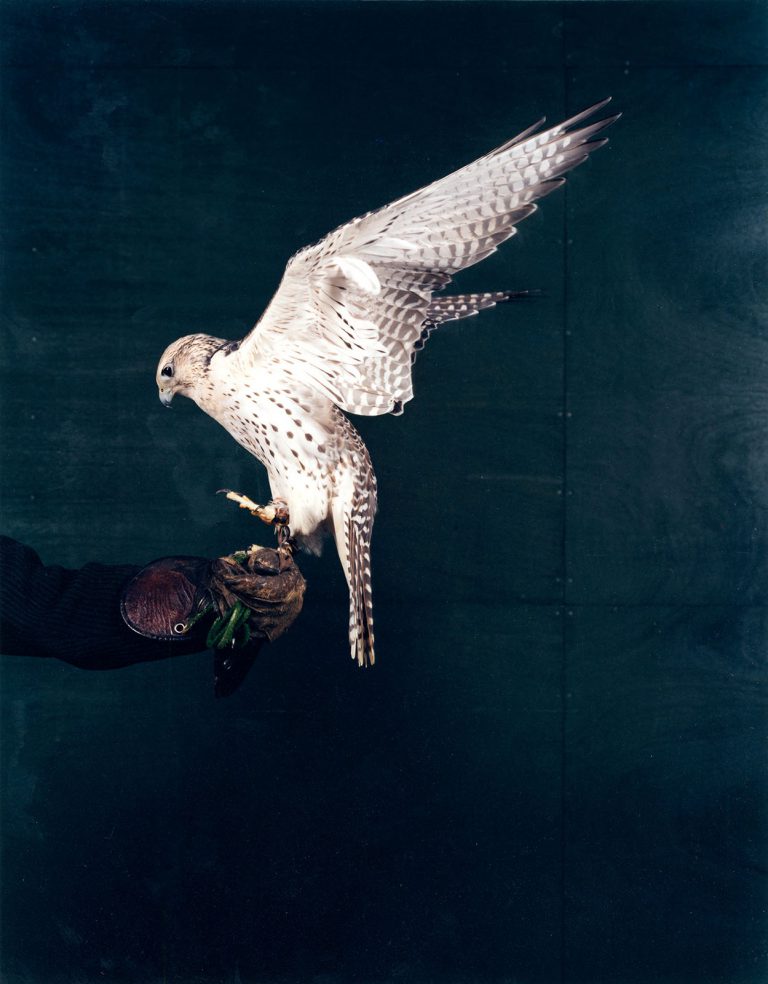
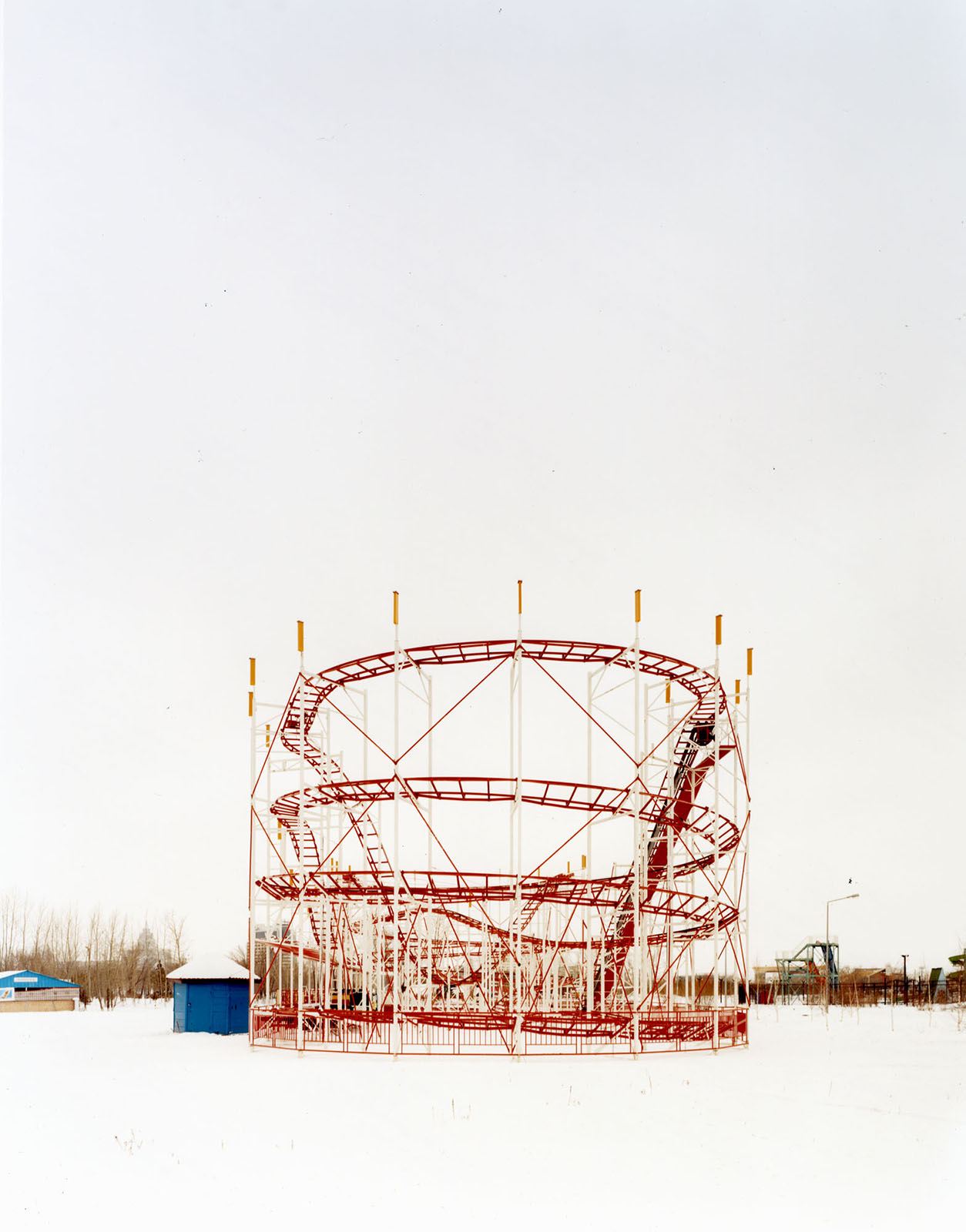
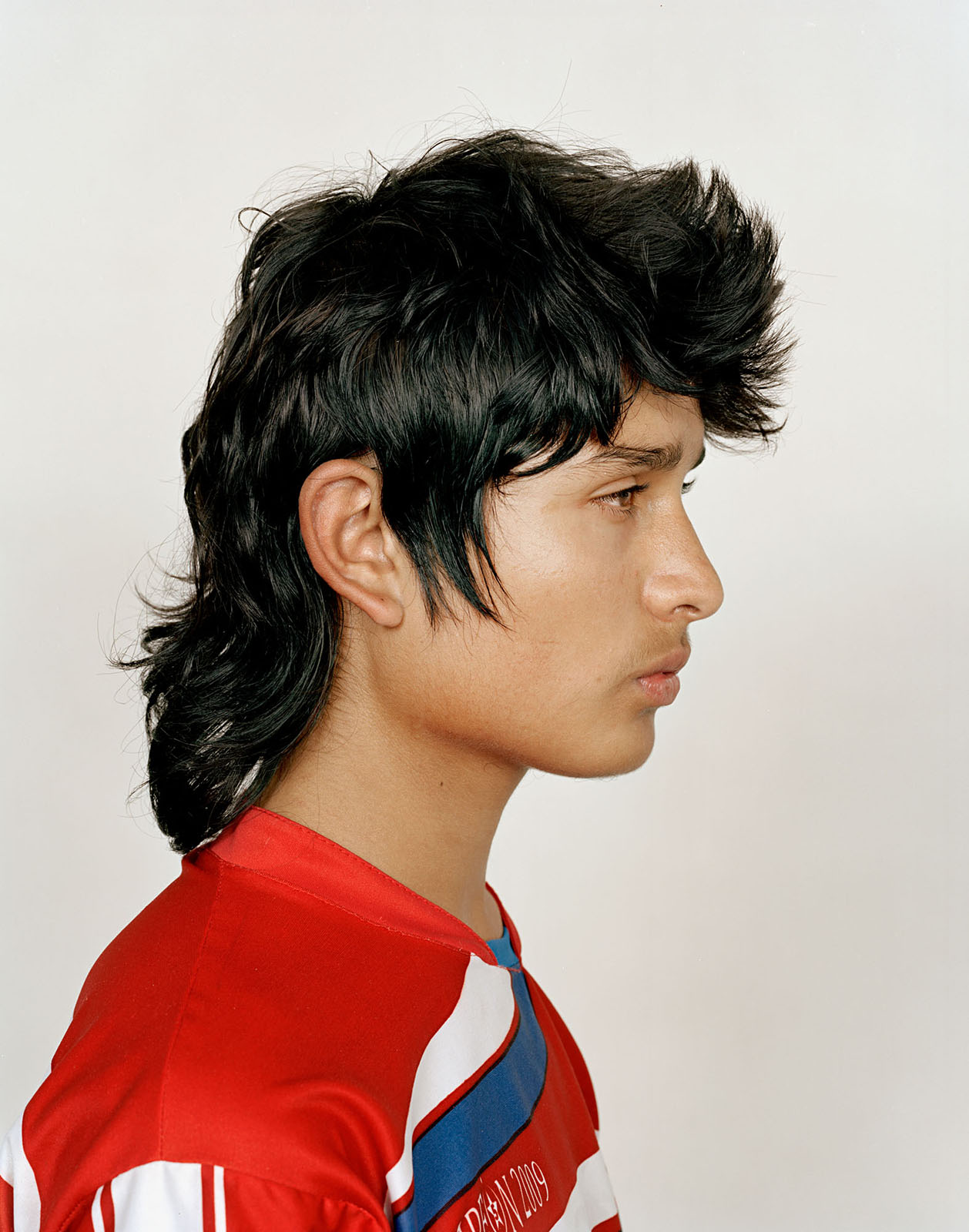
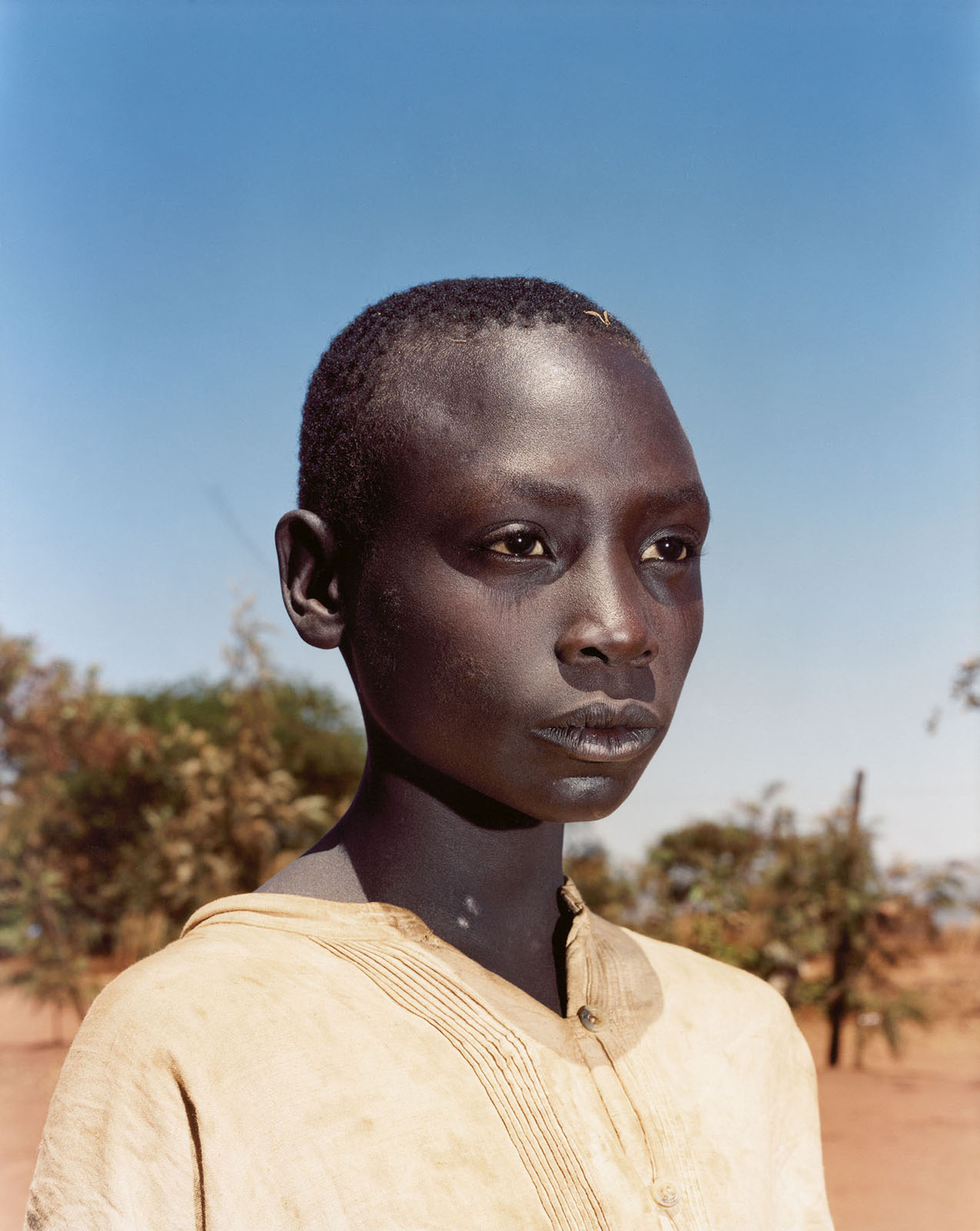
Almaty, Kazakhstan, 2006

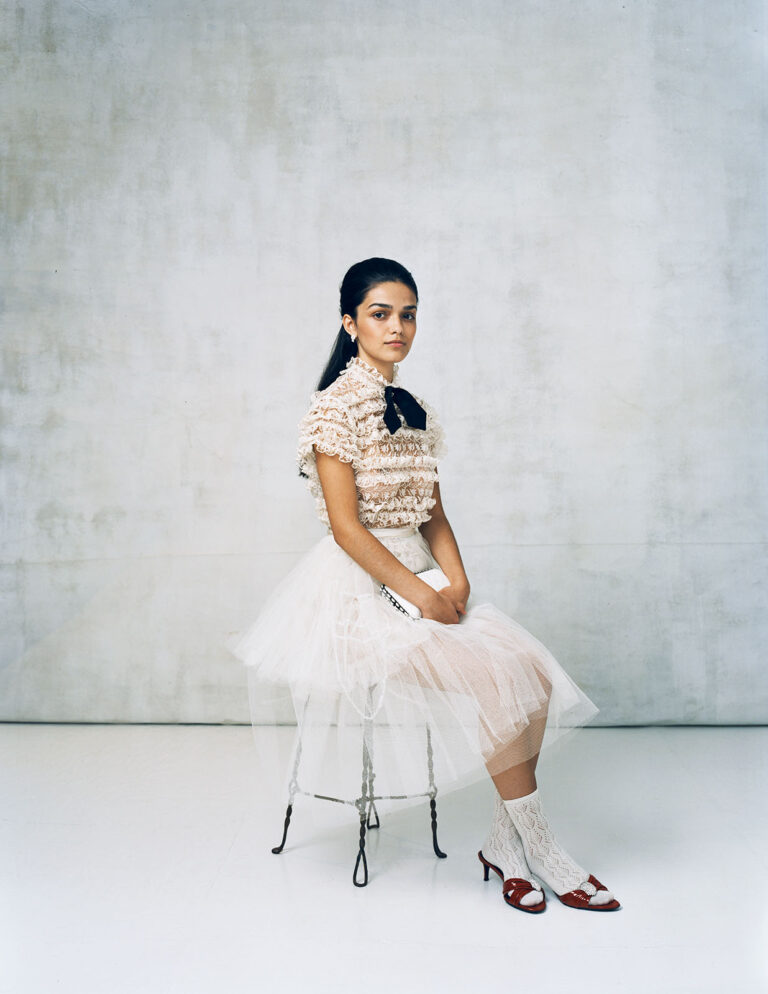
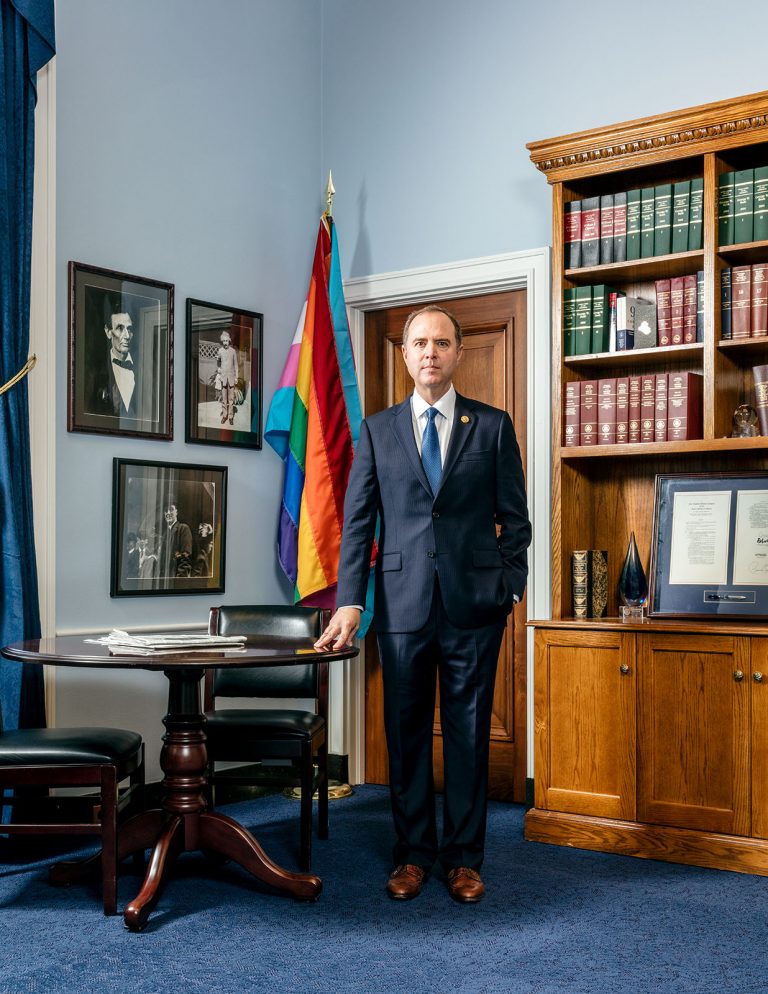
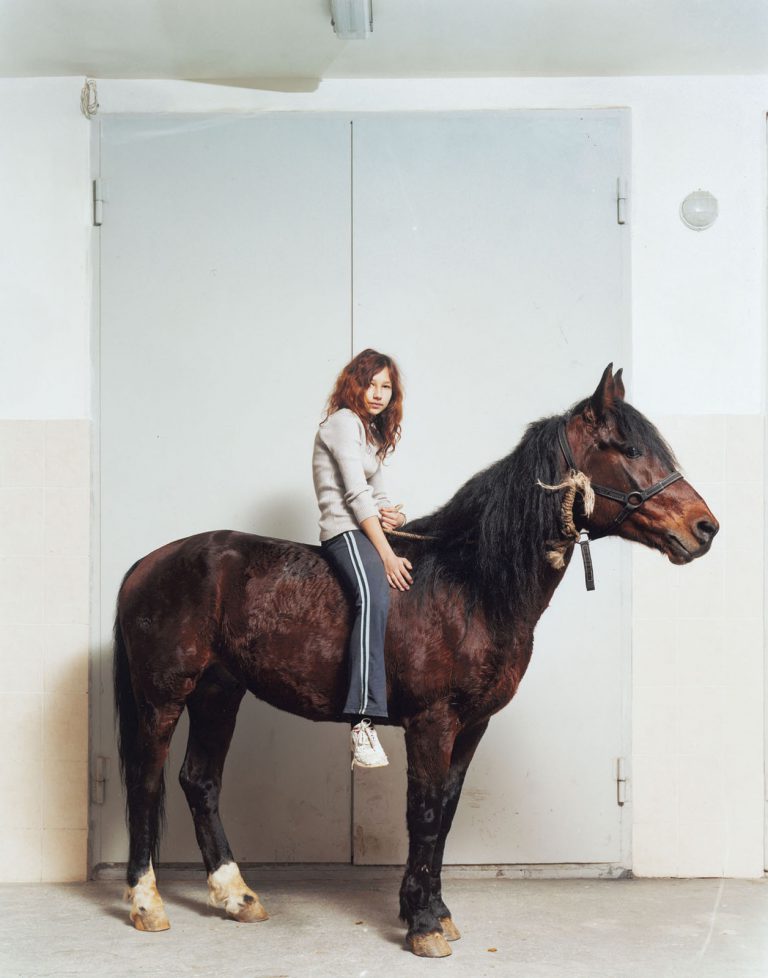
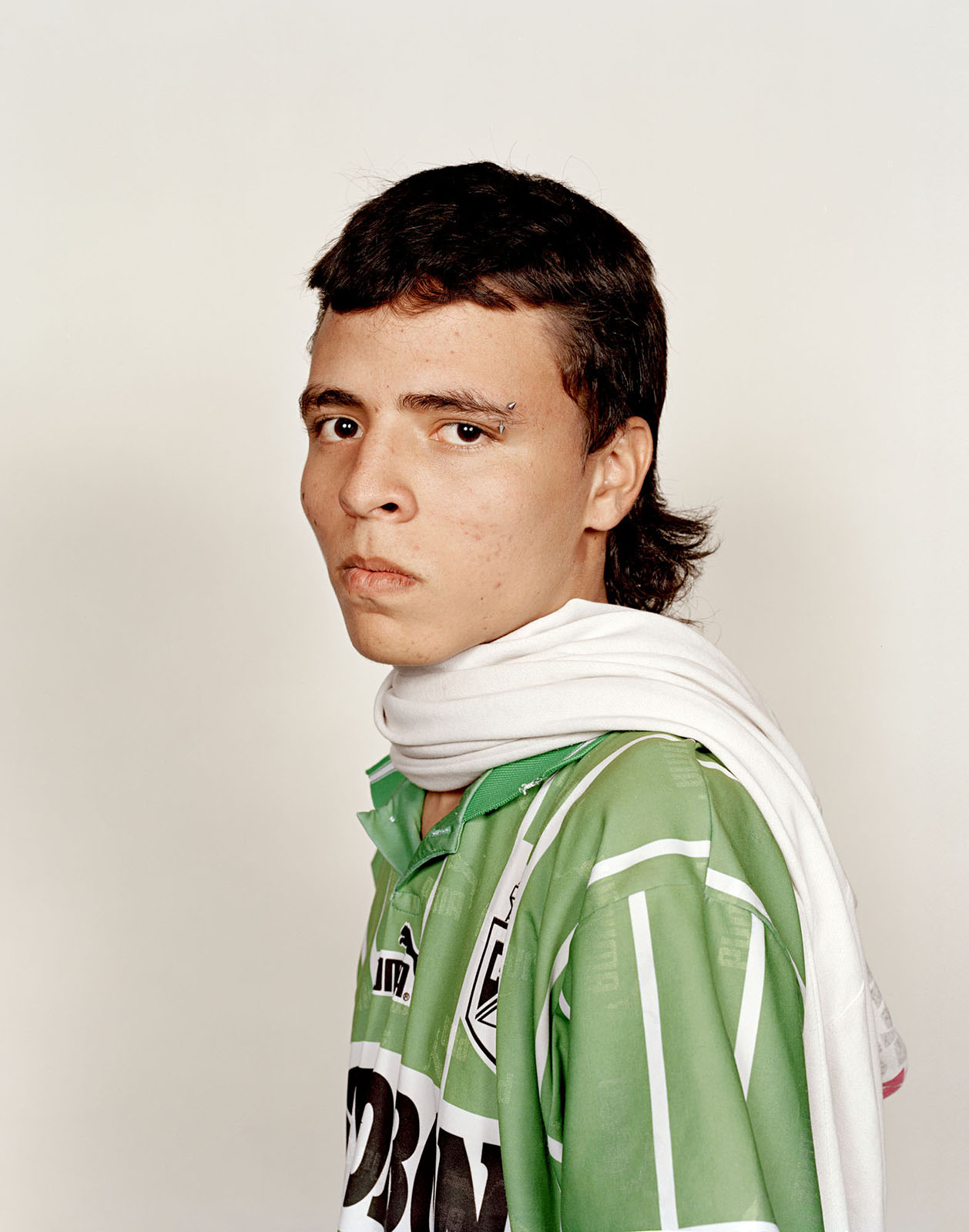
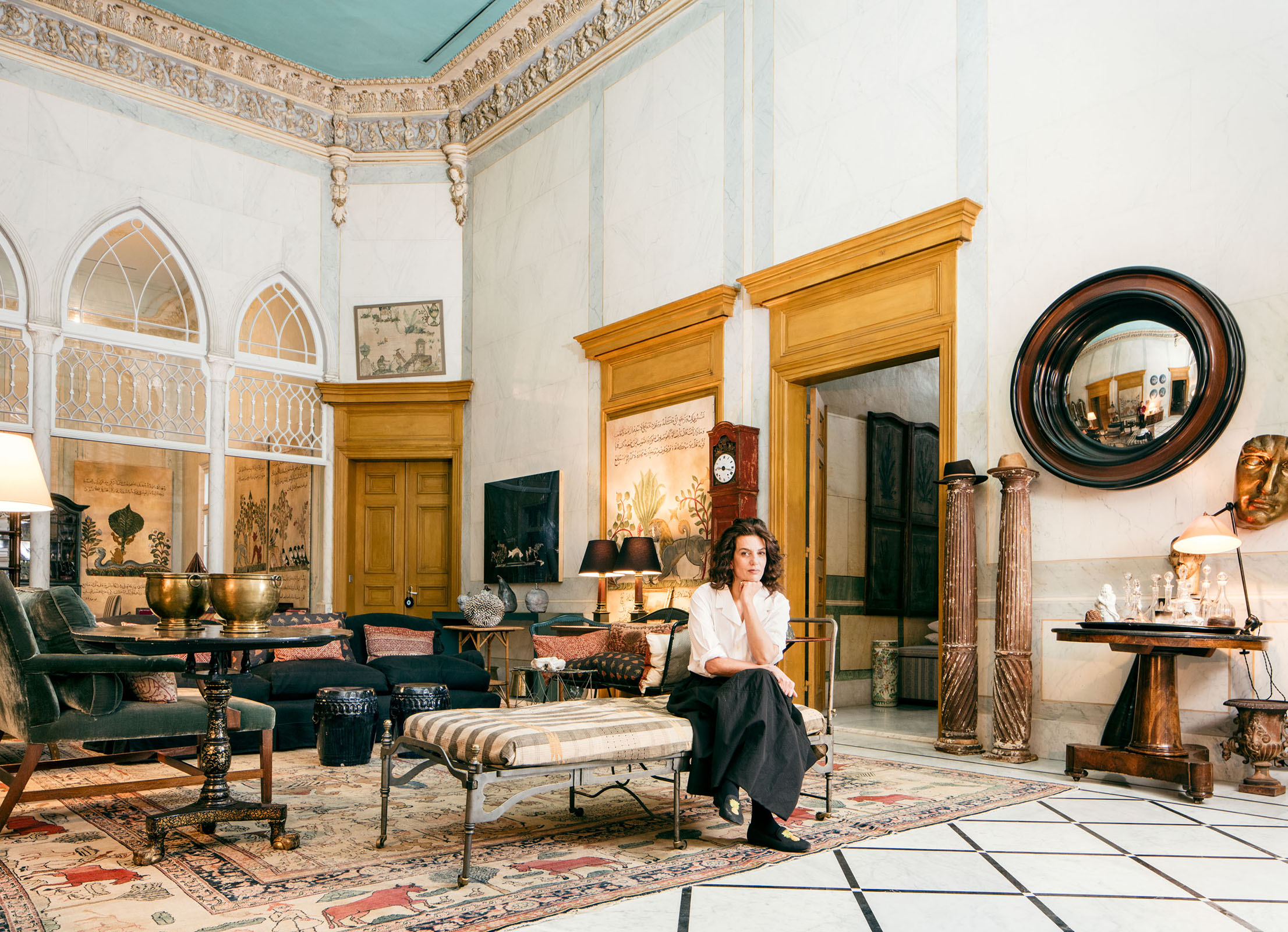
Kamila Sulnatova, Almaty, Kazakhstan, 2006

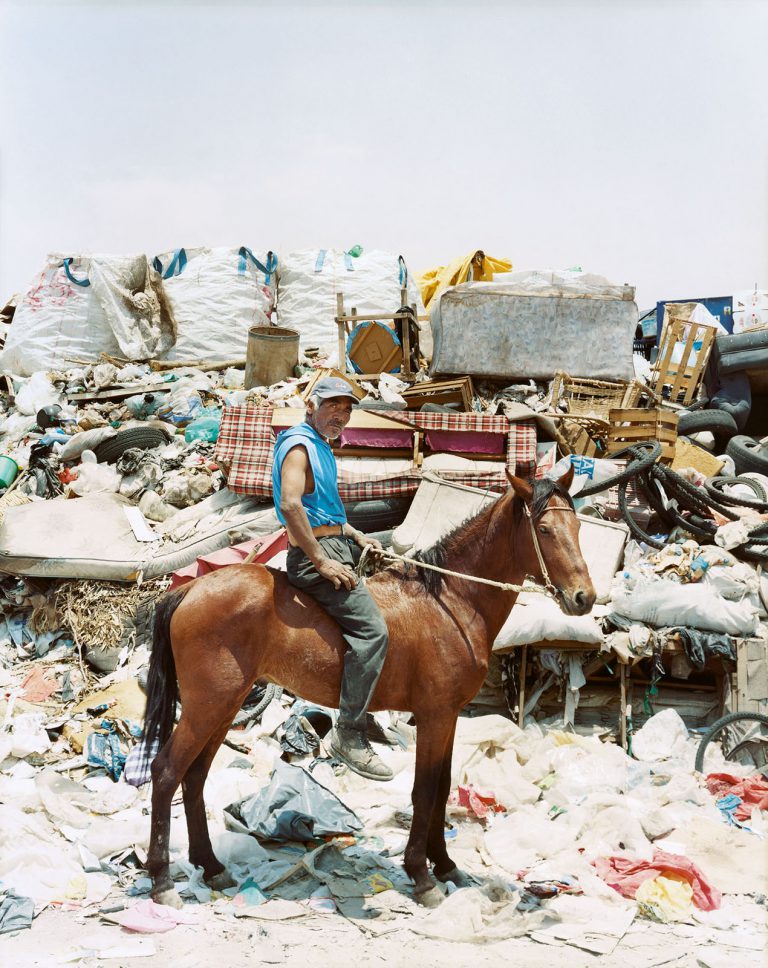
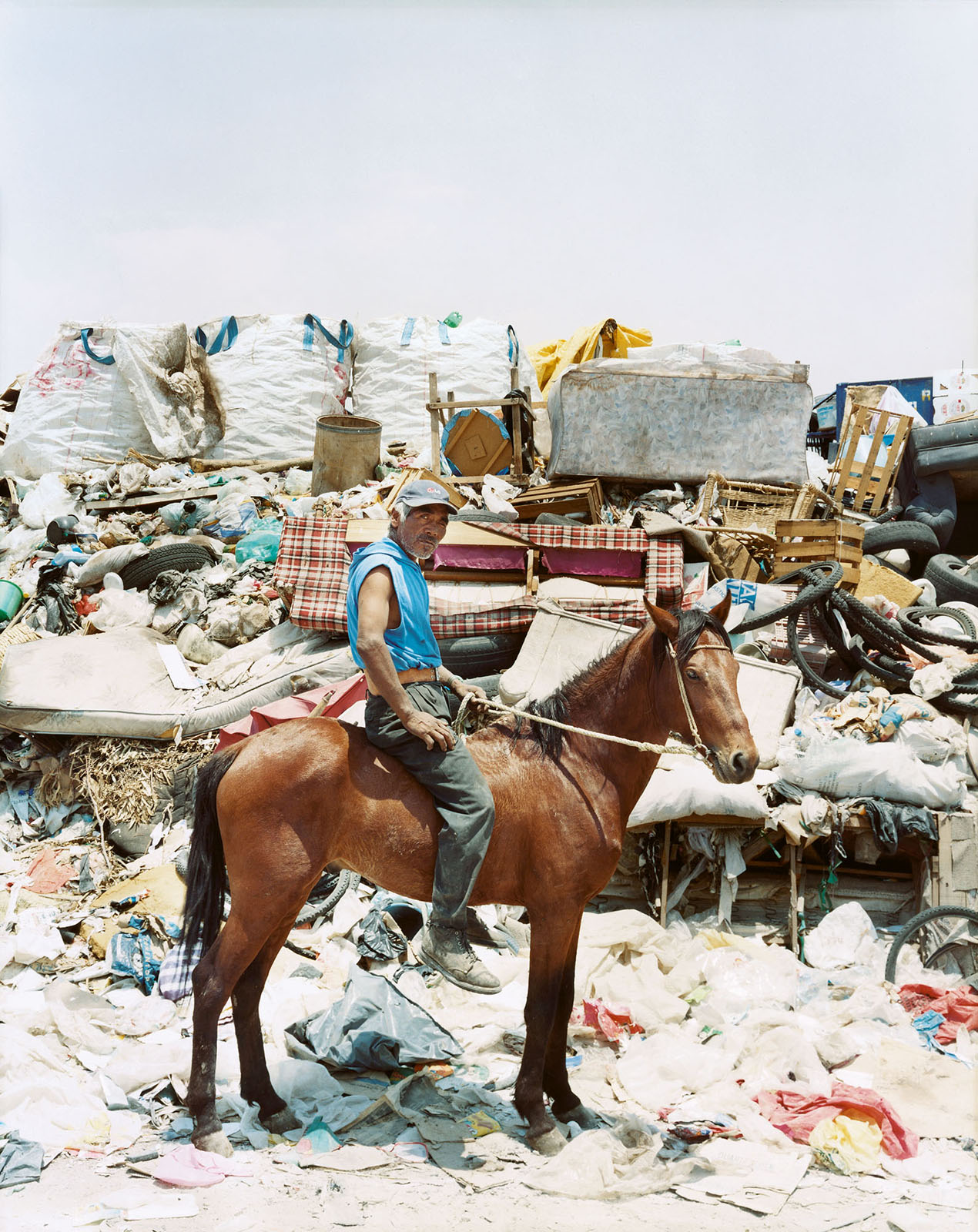
"There’s lots going on in this picture for me. Here’s this guy on a horse in the middle of the dump. And I’m thinking you have this Indian with one eye and a baseball cap in the middle of the garbage dump not far from where Cortez and his men rode in and conquered the Aztecs over 500 years ago. It’s like the classic photos of the Indian on a horse in a landscape, but all gone wrong. Mexico is a place where you still see the collision of the European and indigenous cultures. What was once this beautiful valley, with lakes in the middle, is now covered with cement and garbage. The Spaniards came to Mexico City looking for gold and now Indians leave their villages to go there looking for money."
All quotes are from an interview by Chris Boot.
‘El Pirata’, Nezahualcoyotl, Mexico, 2003

"This is a dump lord. He was very proud that everything in his office had been found in the dump: the television (which worked), the painting of the Mexican revolutionary Zapata, the desk, the rug, the trophy, everything. The plastic wall covering was kept in place with bottle tops nailed to the wall."
‘Don Jose’, Nezahualcoyotl, Mexico, 2003

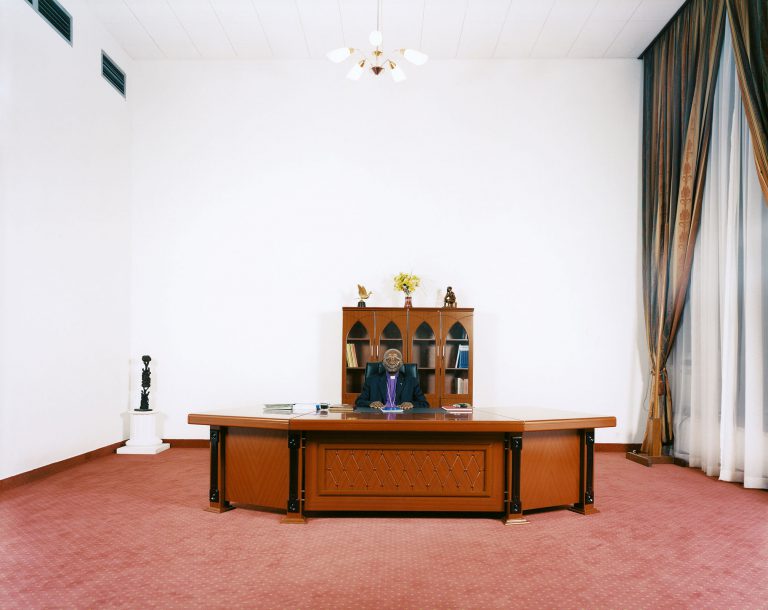
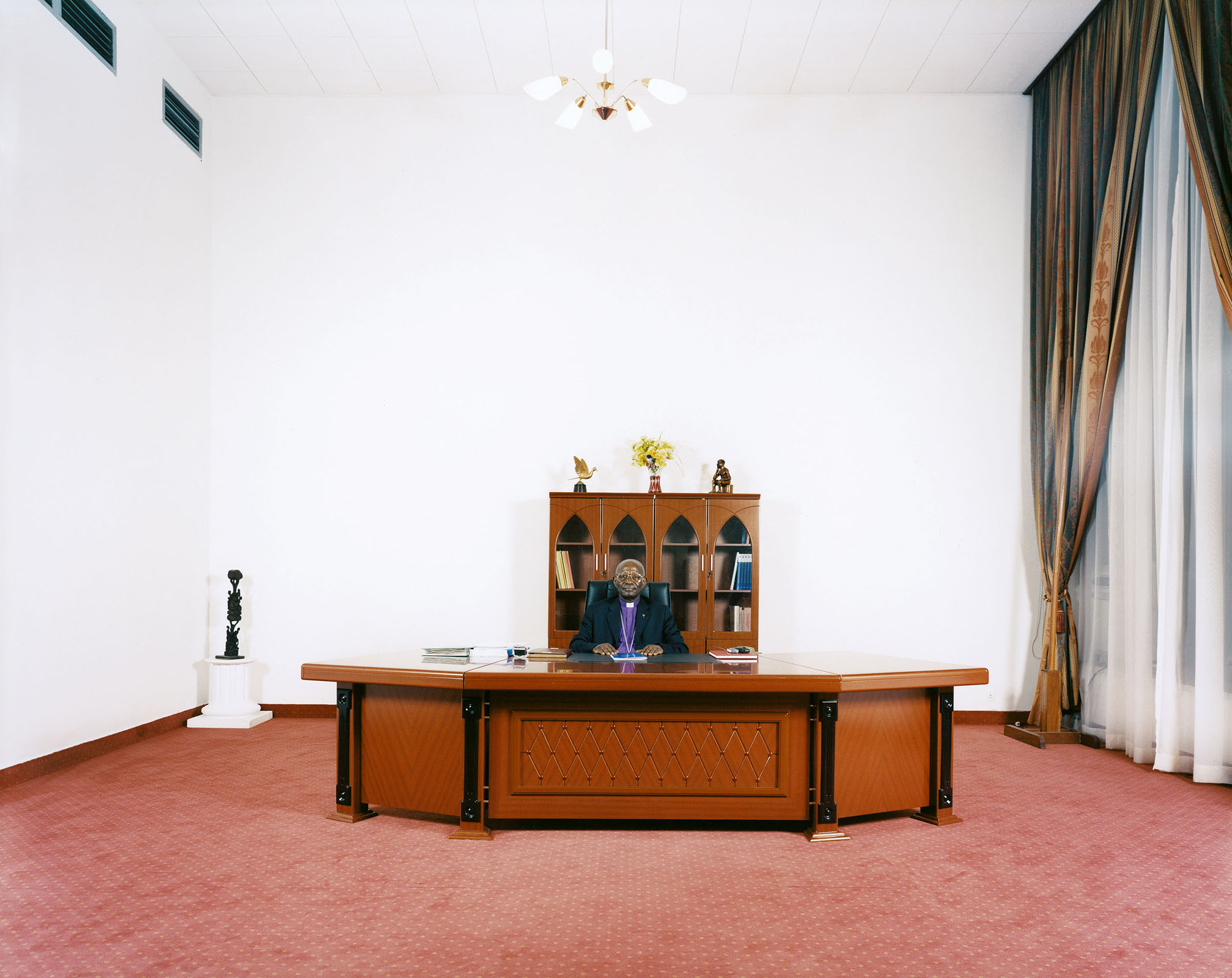
"I was on a shoot taking photos of Congolese politicians. We were trying to photograph Joseph Kabila, who at 29 was the youngest president in the world. While we were waiting I photographed many of the senior government figures around him. The Congo was kind of scary. I didn’t feel comfortable there. I’ve spent quite a bit of time in Africa, really liked it and never had a problem. But here, because they’d been in a civil war for so long, everyone was on edge. Everywhere there were guys with guns. But the portraits worked out well. I had brought my camera and lights and once I took them out they loved it. People often like to get photographed with a large format camera. It’s not something that happens every day."
Pierre Marini Bodho, Senate President, Kinshasa, Democratic Republic of the Congo, 2004

Theophile Mbemba Fundu, Minister of the Interior, Kinshasa, Democratic Republic of the Congo, 2004

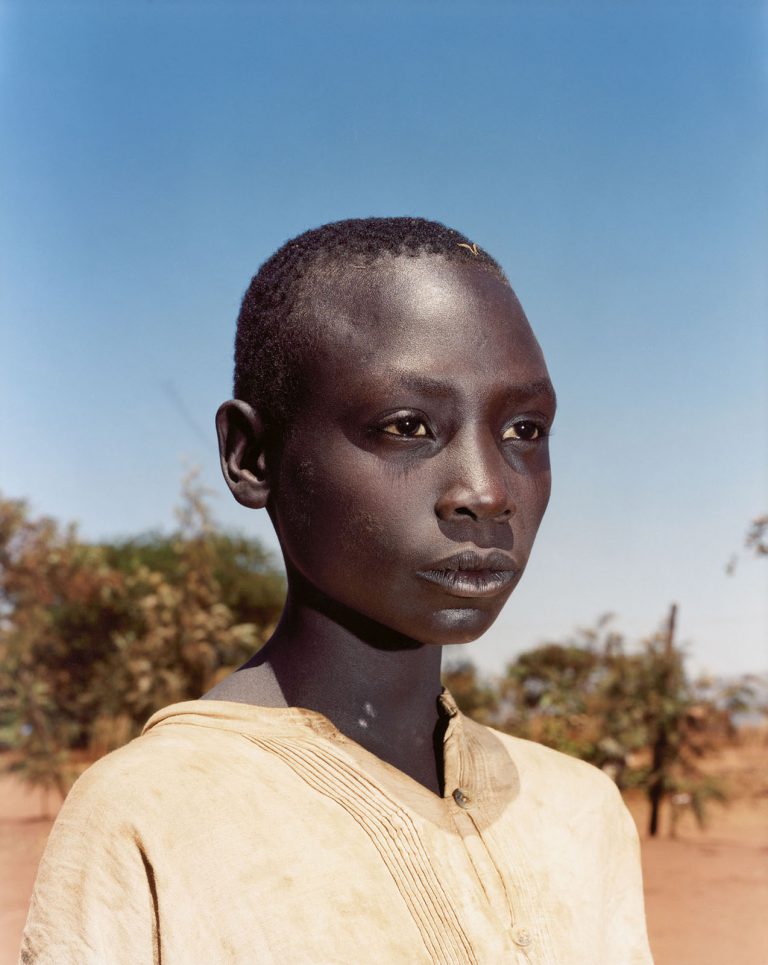
"The Lukole Refugee Camp is in Tanzania, on the border with Burundi and Rwanda. About 120,000 Hutu refugees who had fled the civil war in Burundi were living there in 2000. Knowing what had happened in Rwanda, I wondered if I was photographing only victims of the genocide or some who were responsible for it. It was an ambiguous situation because everyone at the camp seemed like a victim. In the camp, I heard stories about some of the worst imaginable things people do to each other. On the first day this man asked me to take his picture. His friends rolled up his sleeves, to show me that he had no hands. They had been cut off he said, by Burundian soldiers. His wish was that the men who had done it would serve him for the rest of his life. He was 19. He wanted this picture taken to show what had been done to him."
Bernard, Lukole Refugee Camp, Ngara, Tanzania, 2000

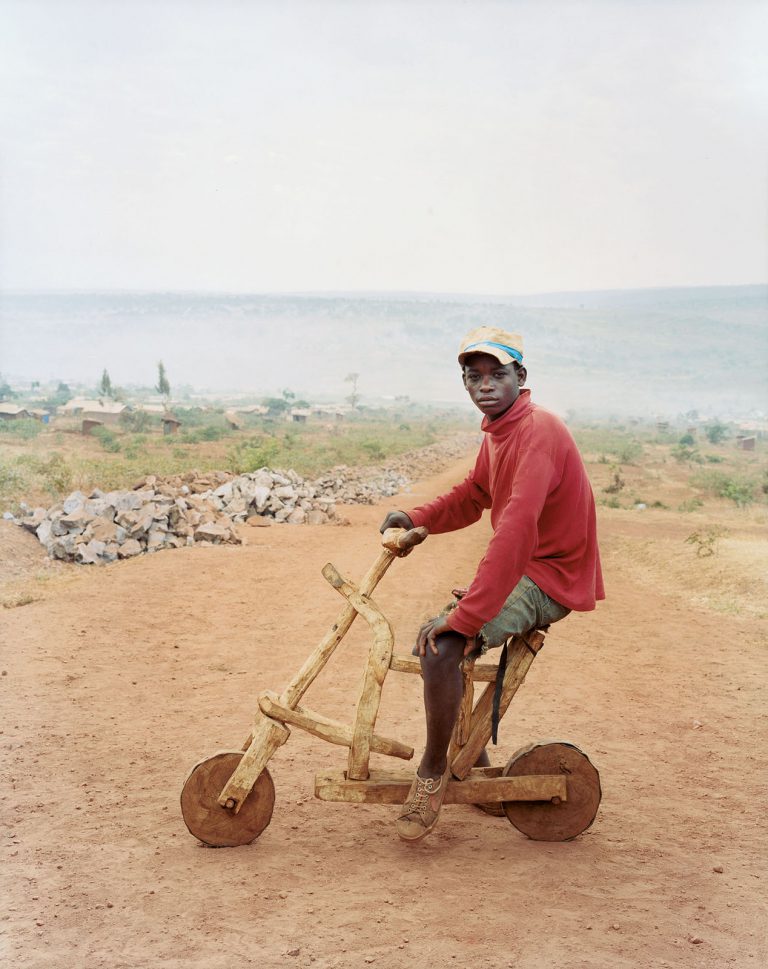
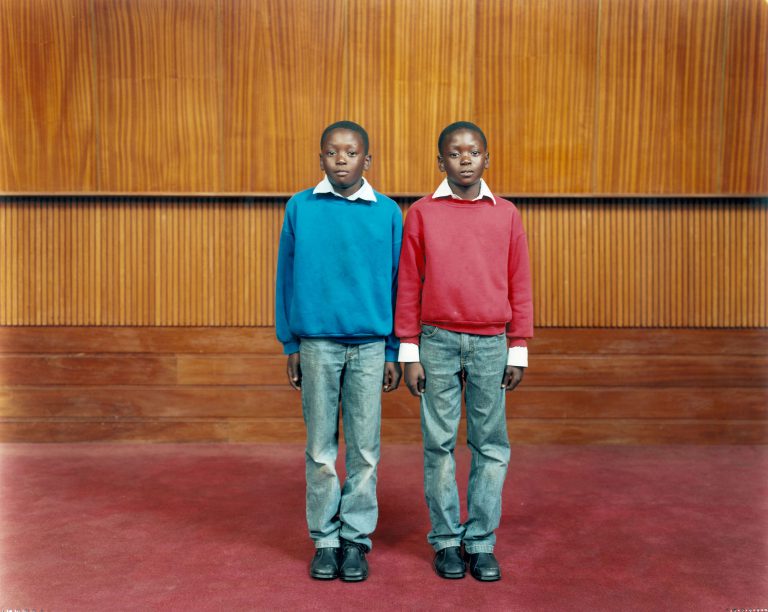
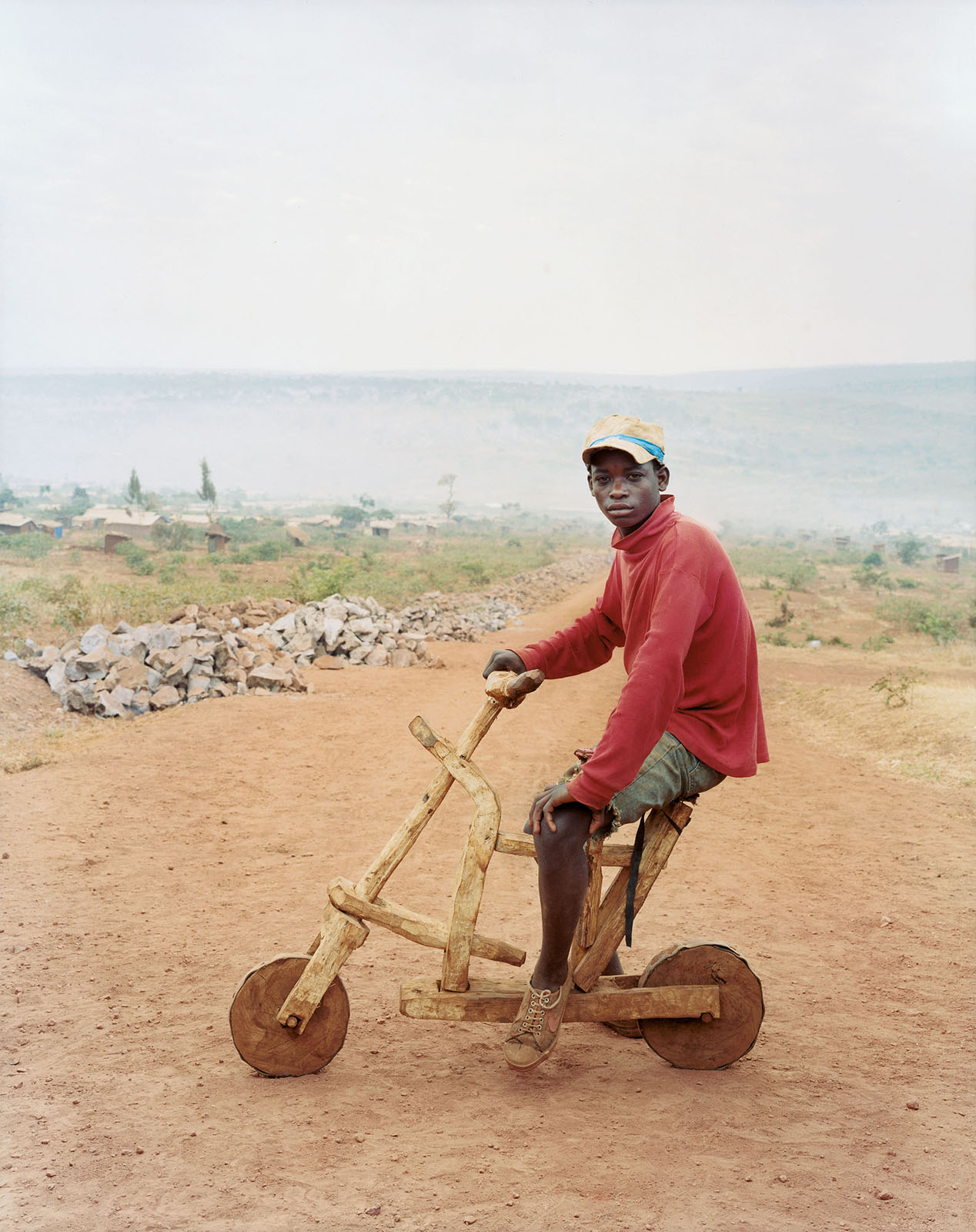
"I visited the Lukole Refugee Camp with photographers Adam Broomberg, Oliver Chanarin and James Mollison. With the support of UNHCR, we were commissioned to do an issue for Colors – the first designed by Fernando Gutiérrez, after Oliviero Toscani left. It was unusual to be working as part of a group. I was working by then with a large-format 5x4 camera, so I used that, while the other photographers were all using smaller formats. I saw these kids riding wooden bikes down the road. I asked one of the kids if I could take a picture of him with his bike. He agreed, but then a bigger kid came up and pushed him off, telling me ‘Take my picture. It’s my bike, I built it’."
Anicet, Lukole Refugee Camp, Tanzania, 2000

Lukole Refugee Camp, Ngara, Tanzania, 2000

"This guy was an orphan. His father was killed in Burundi in the war. His mother died in the camp a few months after they got there. He lived with his two brothers. He said when he grew up he wanted to be a cleaner in a hospital."
Lukole Refugee Camp, Ngara, Tanzania, 2000

"When I started working as Creative Director at Colors, rather than just as a photographer, they asked me what I wanted to do for the first issue. Colors had been going to these exotic places and looking at exotic people, and my suggestion was ‘Let’s go to Birmingham?’ I figured I’d go to the other extreme – I figured we could find the exotic in Birmingham. Everyone hated the idea and they tried to talk me out of it. But they let me do it in the end. Almost the whole issue turned out to be about race and immigration, about how Birmingham was going to be the first city in England where the majority wasn’t white. The issue dealt a lot with Islam in relation to the West."
Mohammed Yasser and Kaherine Bennett, Birmingham, UK, 2002

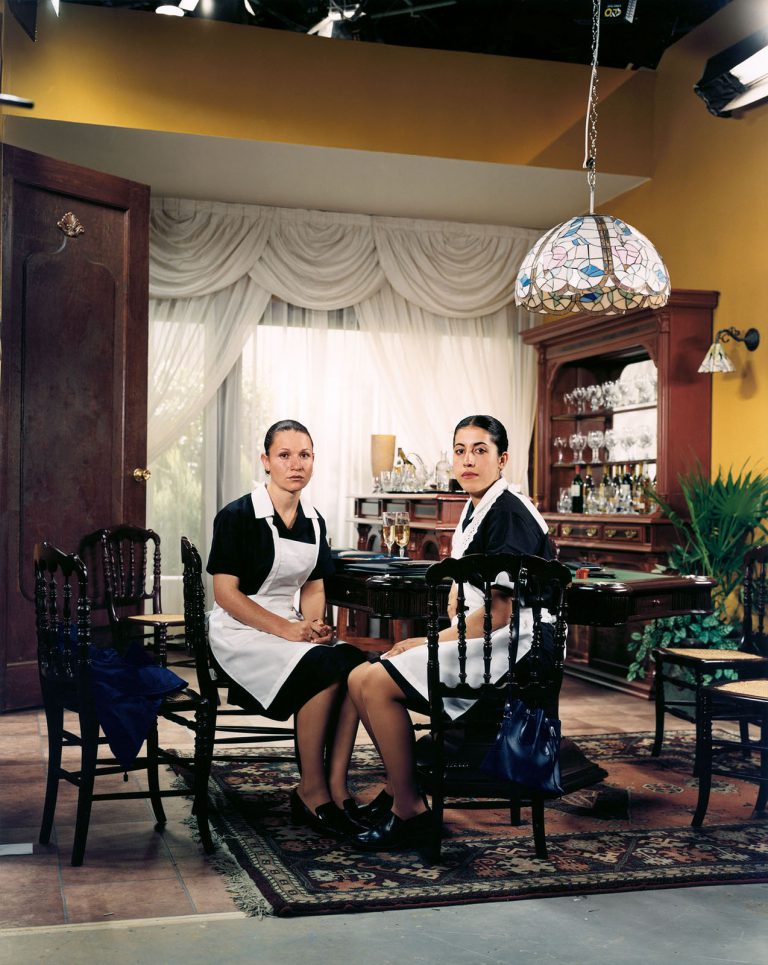
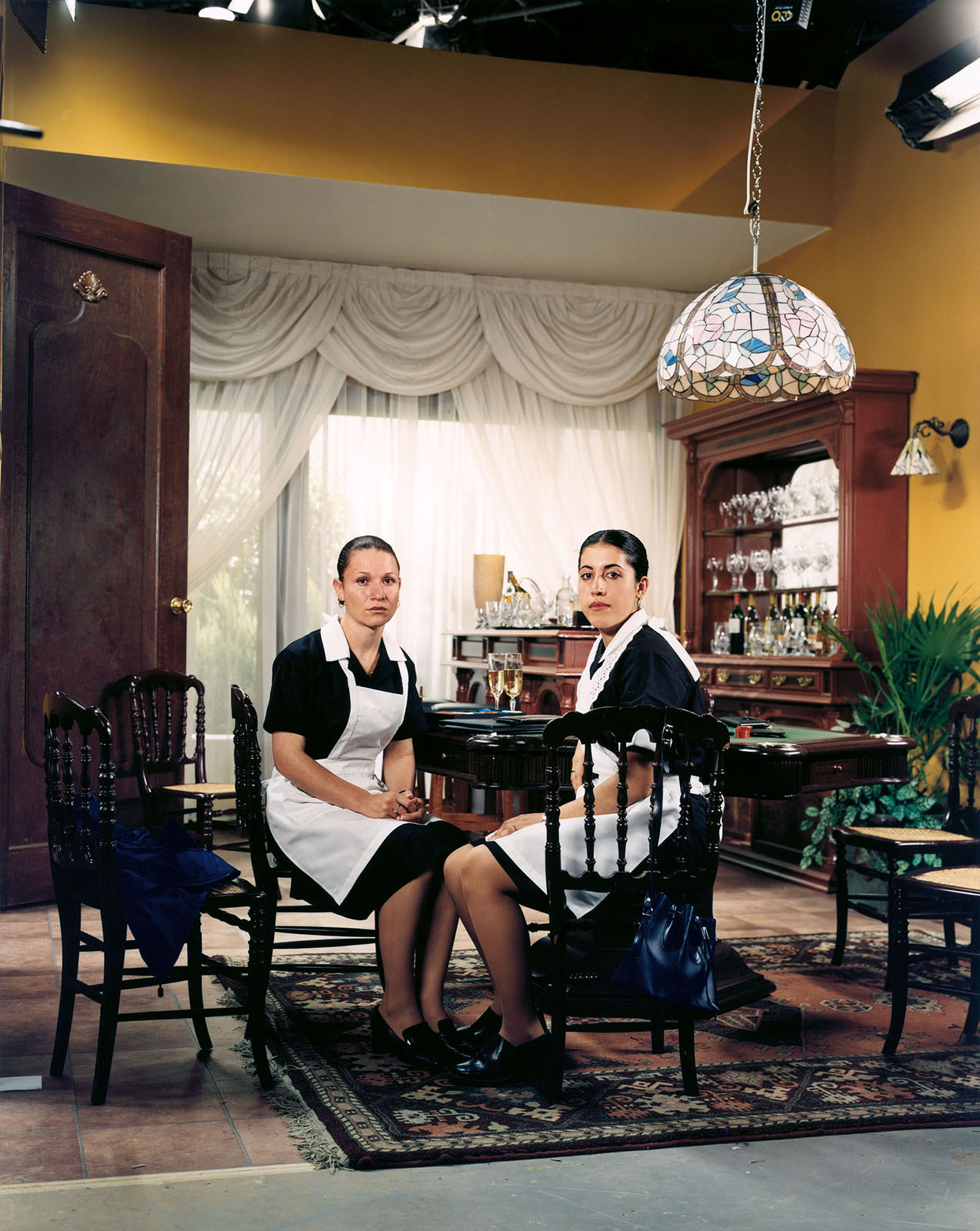
Azucena Preciado Hernandez and Claudia Janet Prado Terrazas
on the set of Amarte Es Mi Pecado (Loving You is My Sin), Televisa Studios, Mexico City, Mexico, 2003

Daniel Cortes, Telavisa Acting School, Mexico City, Mexico, 2004

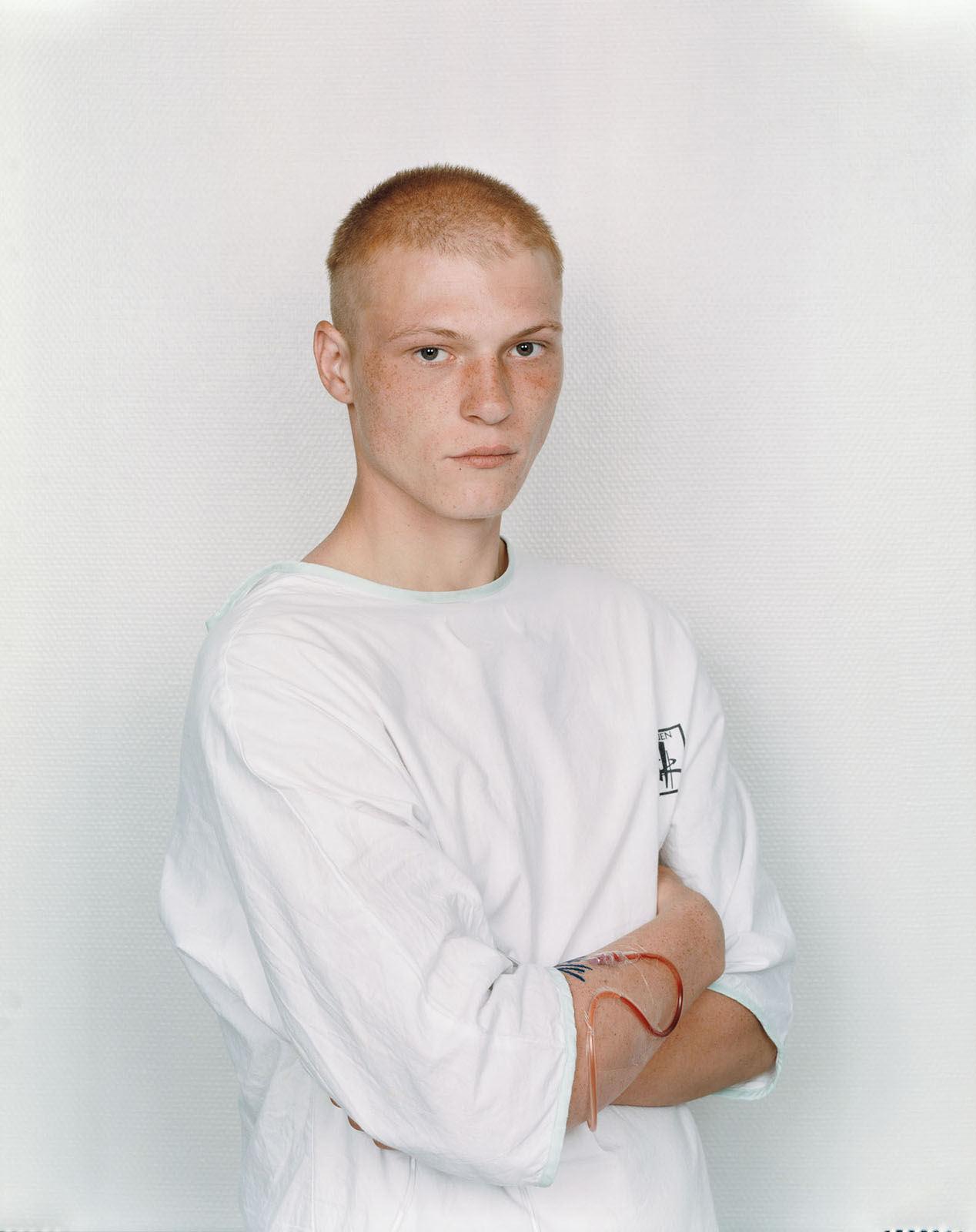
Emergency Room, CHU de Rouen, Rouen, France, 2006

Emergency Room, CHU de Rouen, Rouen, France, 2006

Emergency Room, CHU de Rouen, Rouen, France, 2006

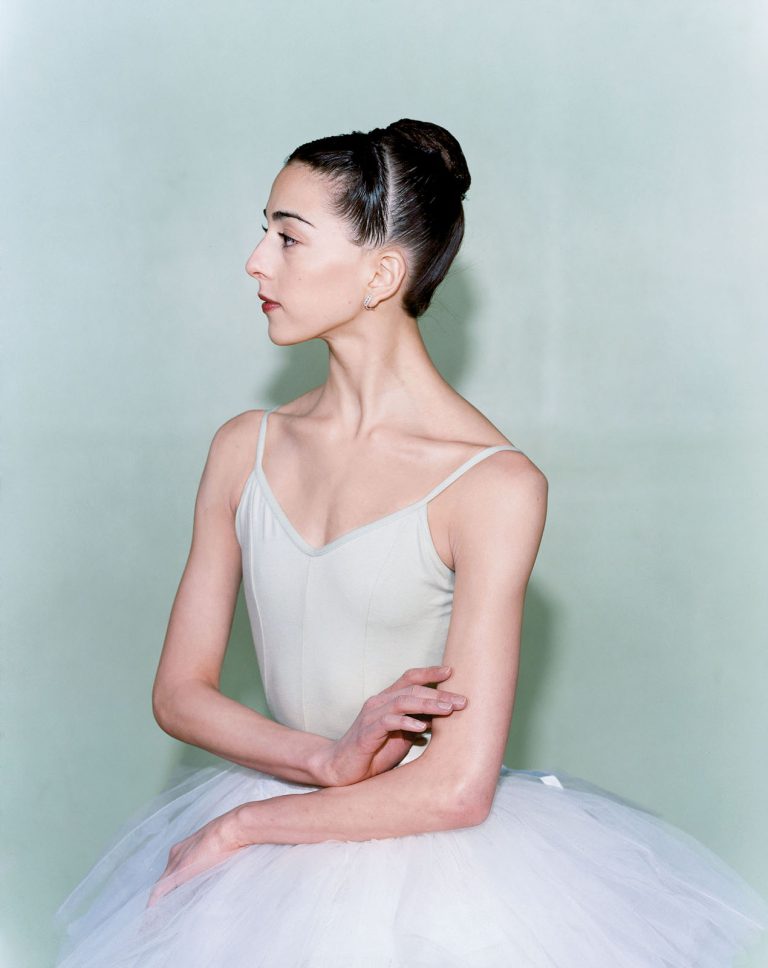
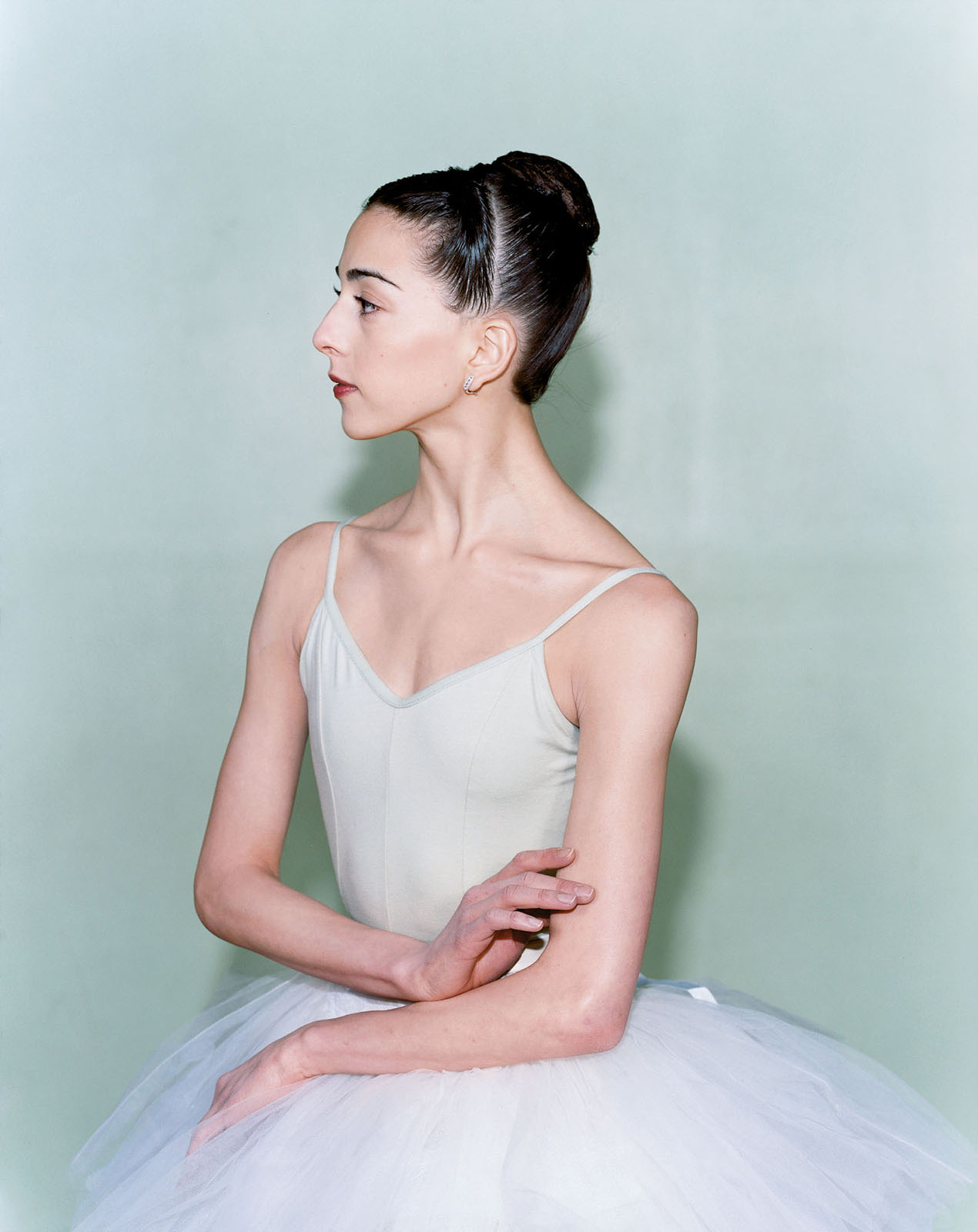
Alexandra Ansanelli, New York City Ballet, USA, 2005

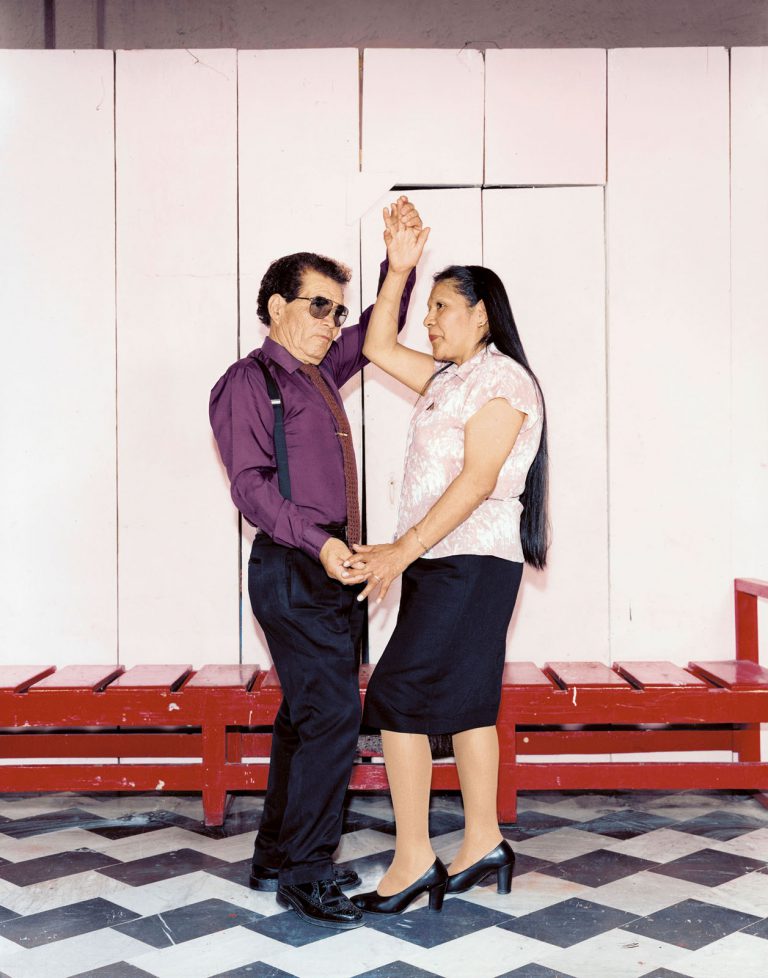
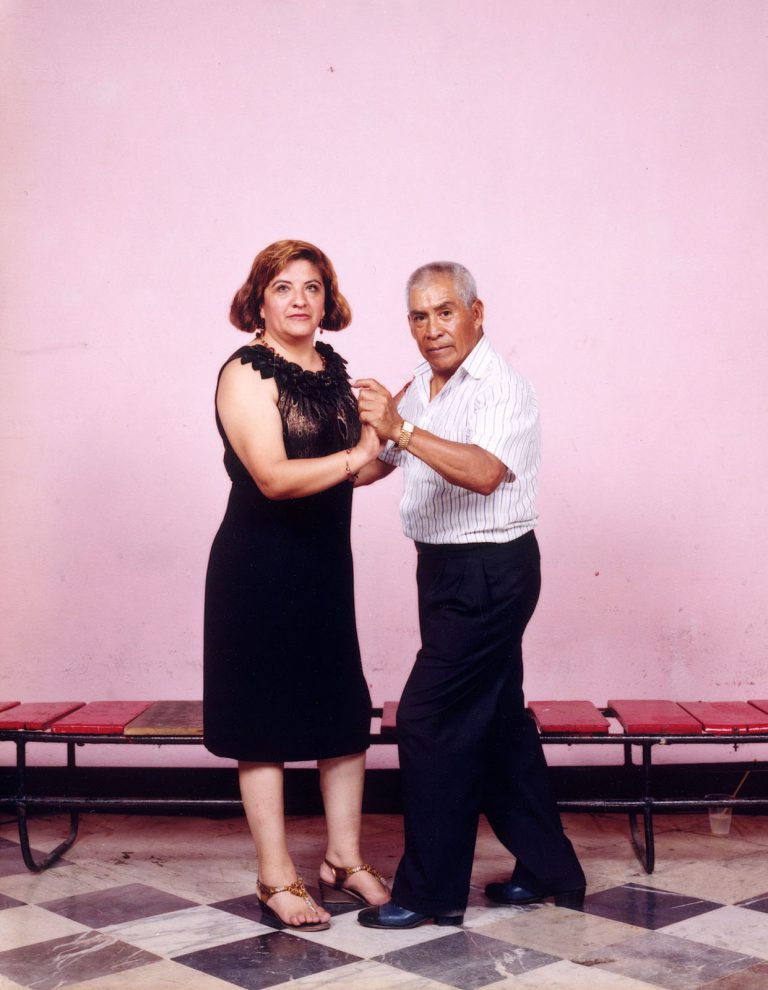
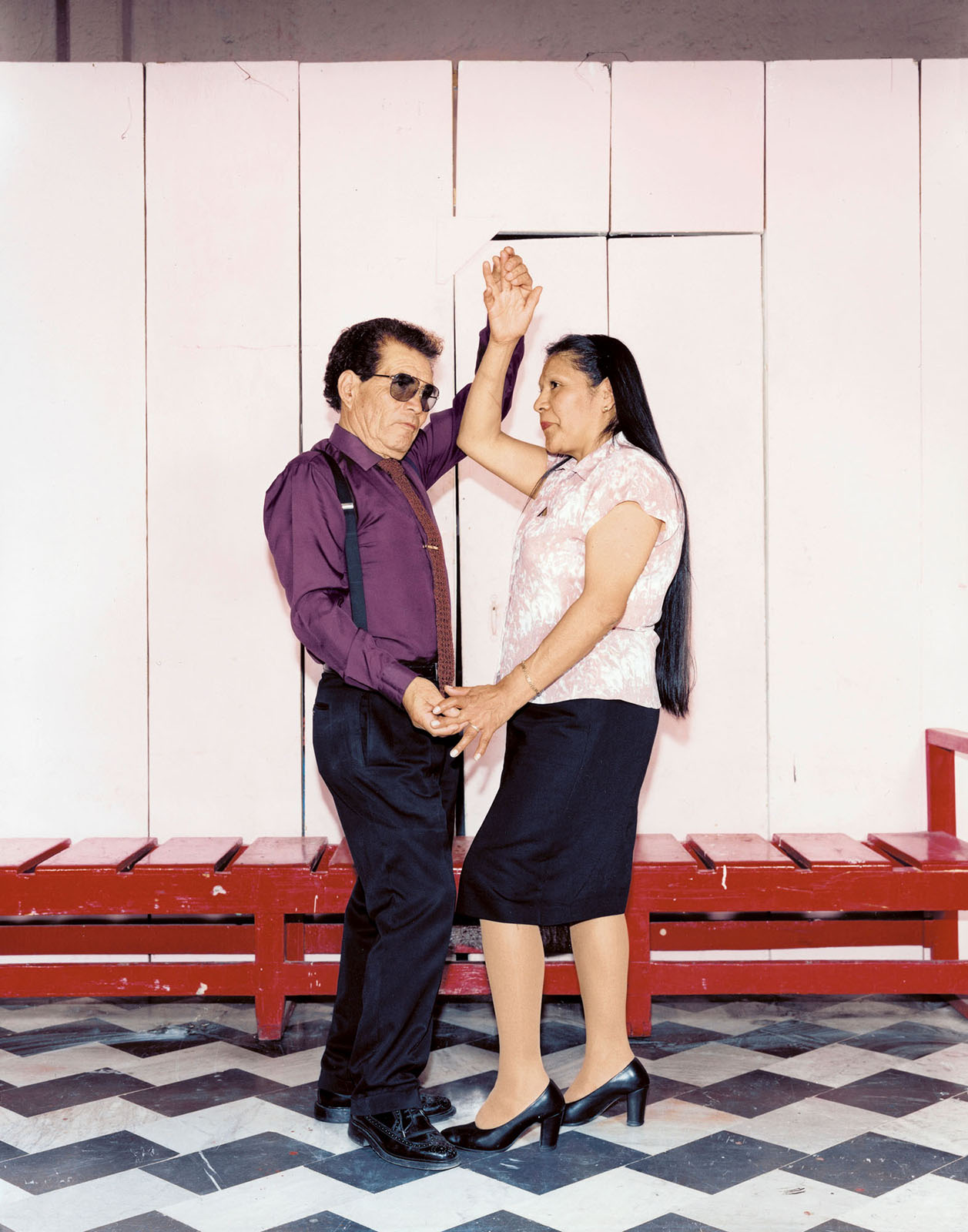
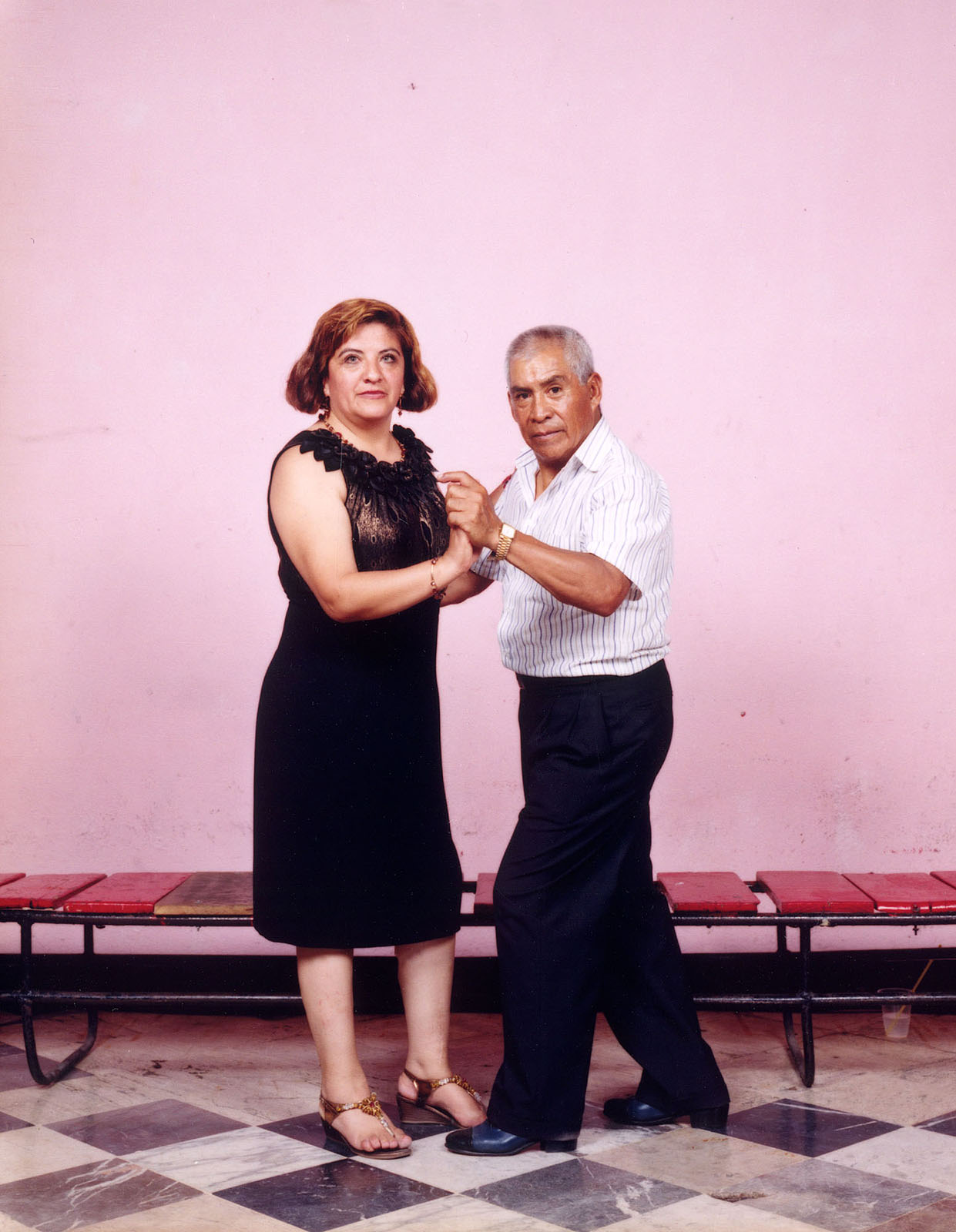
Dance hall, Mexico City, Mexico, 2005

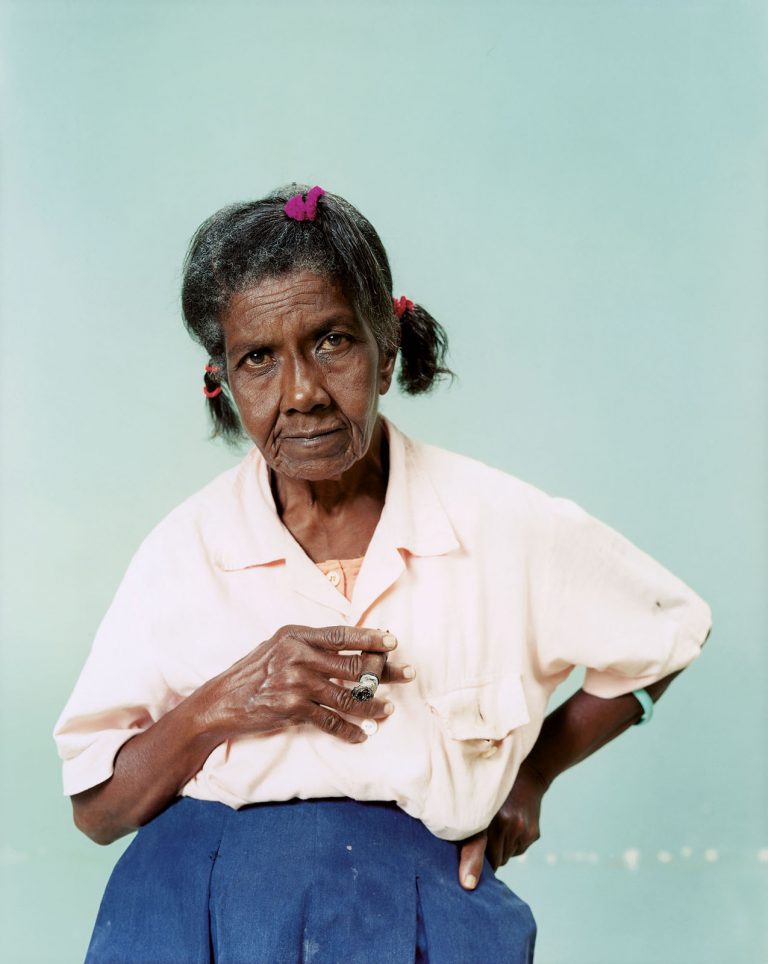
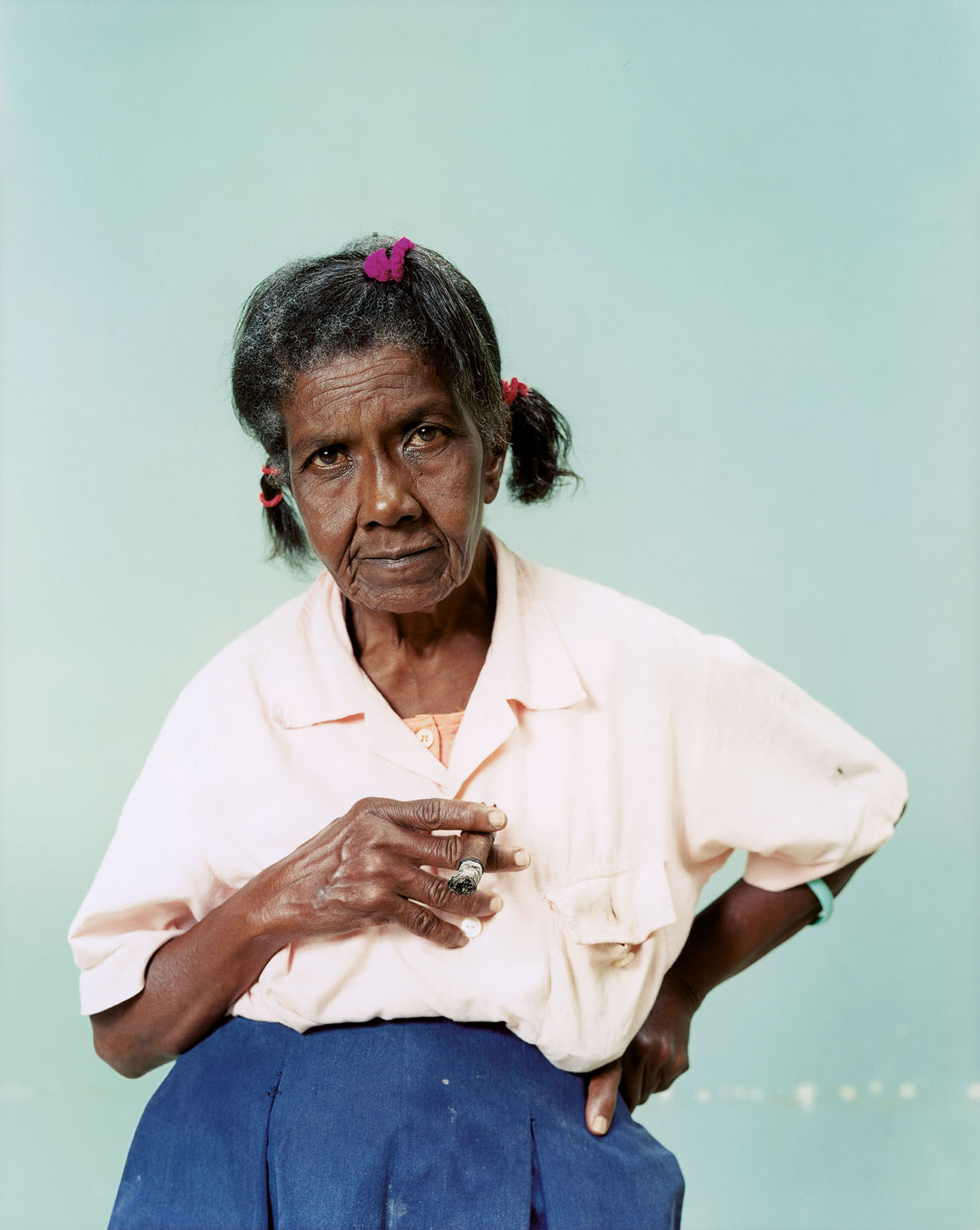
"We did an issue for Colors about psychiatric hospitals around the world, and I went to this hospital in Cuba. Access was difficult, but on the first day, when I got in I set up a little studio in the corner in one of the big rooms where whoever wanted their picture taken could have their picture taken. Soon the patients formed a line. They ranged from being seemingly fine to definitely insane. I think some of them joined in because their friends were doing it, or just because there was a line. Others knew exactly what was going on."
Yuriel Bring Scharlet, Rene Vallejo Psychiatric Hospital, Camaguey, Cuba, 2001

"Ivan didn’t tell me about himself. He just said that Russians were better than Americans. Silvia was completely in love with one of the top doctors there. She became like a little kid whenever he was around, but when he wasn’t, she was very much in charge of her area of the hospital. She was quite upset that both her hairbands weren’t symmetrical when she saw the polaroid. She had no problem with her shirt, but her hair really annoyed her. She spoke pretty good English because her parents were Jamaican. They had come over to work on the sugar cane in the South. On the weekends Silvia would often walk 10 km to the doctor’s house to see if he was all right or to cook him something. She was incredibly jealous of his girlfriend."
Ivan and Silvia Darkin, Rene Vallejo Psychiatric Hospital, Camaguey, Cuba, 2001

Rene Vallejo Psychiatric Hospital, Camaguey, Cuba, 2001

Rene Vallejo Psychiatric Hospital, Camaguey, Cuba, 2001

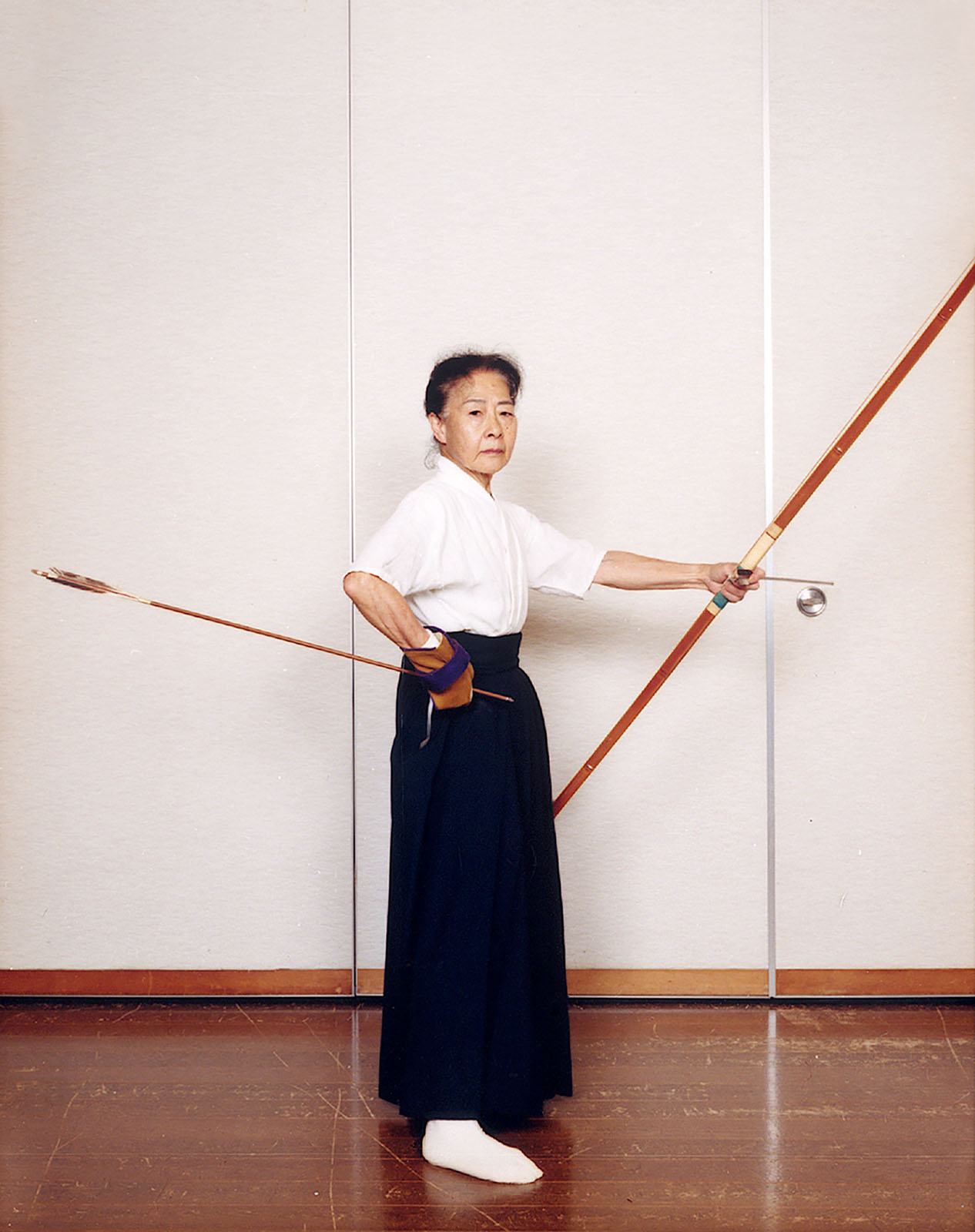
Balu Deshak, Madhaya Pradesh, India, 2002

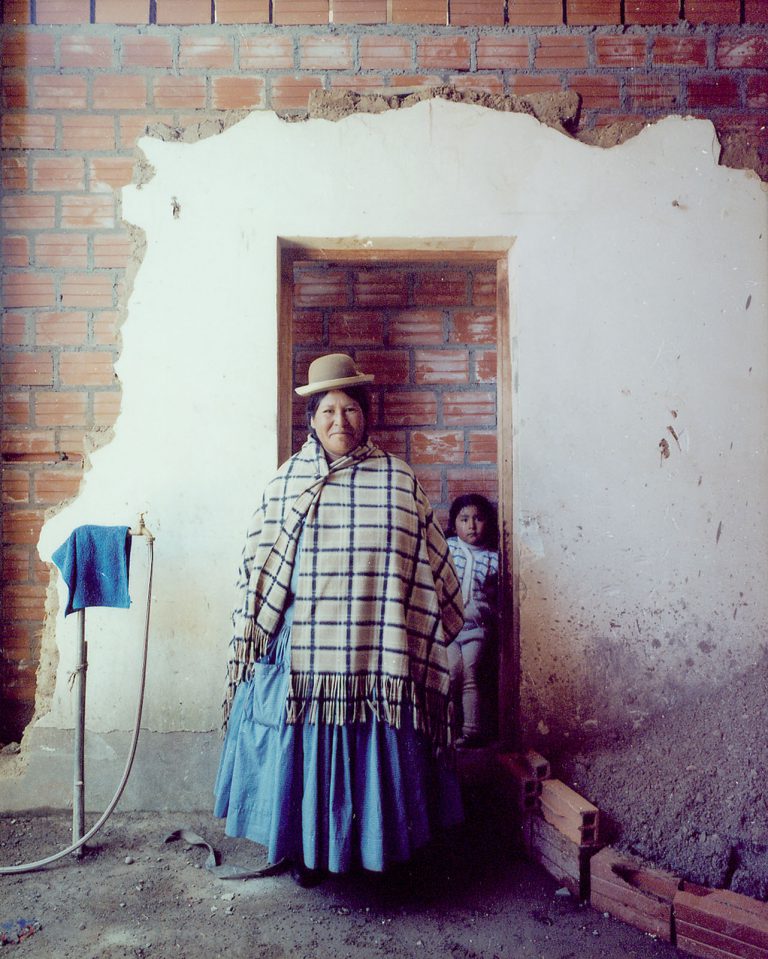
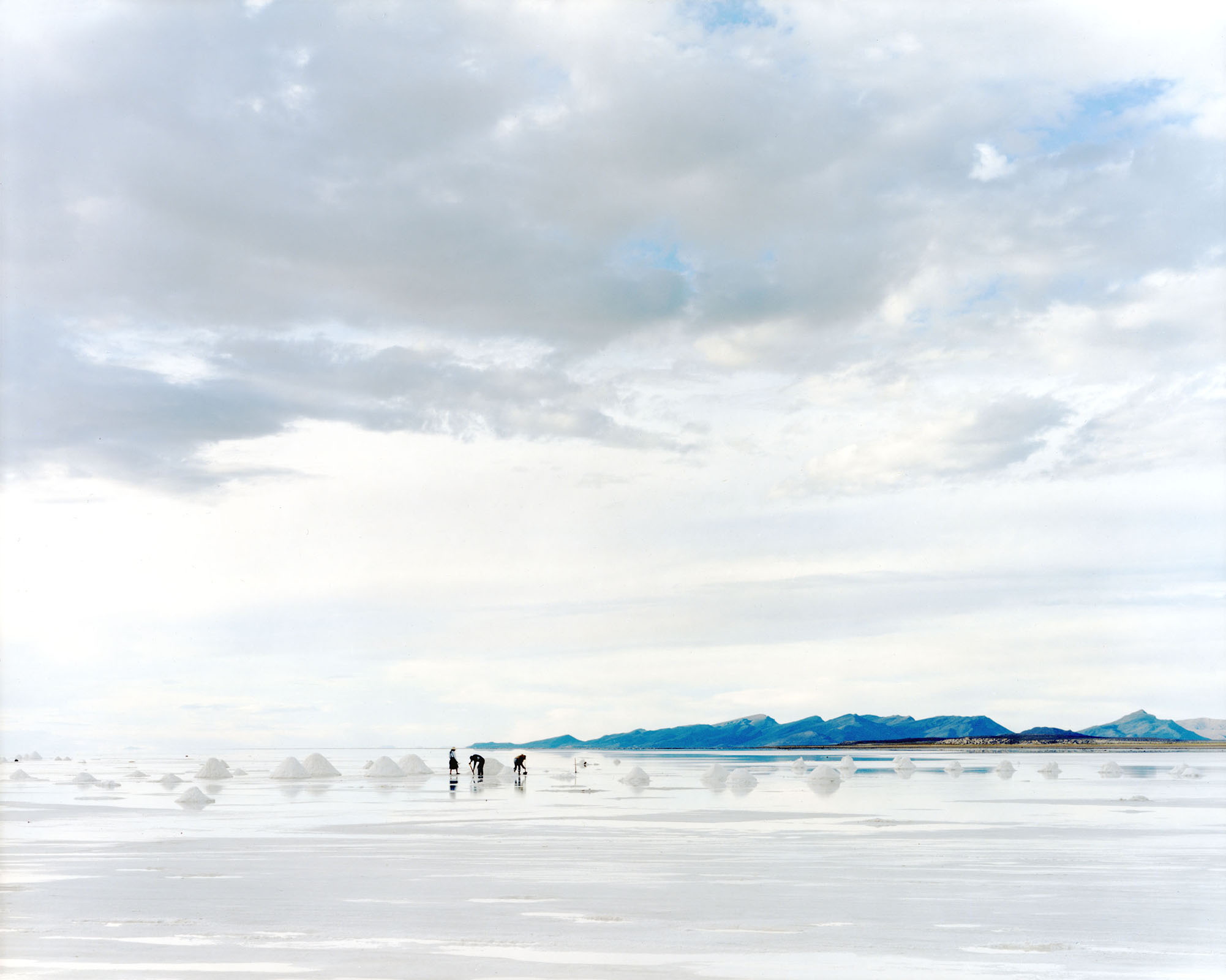
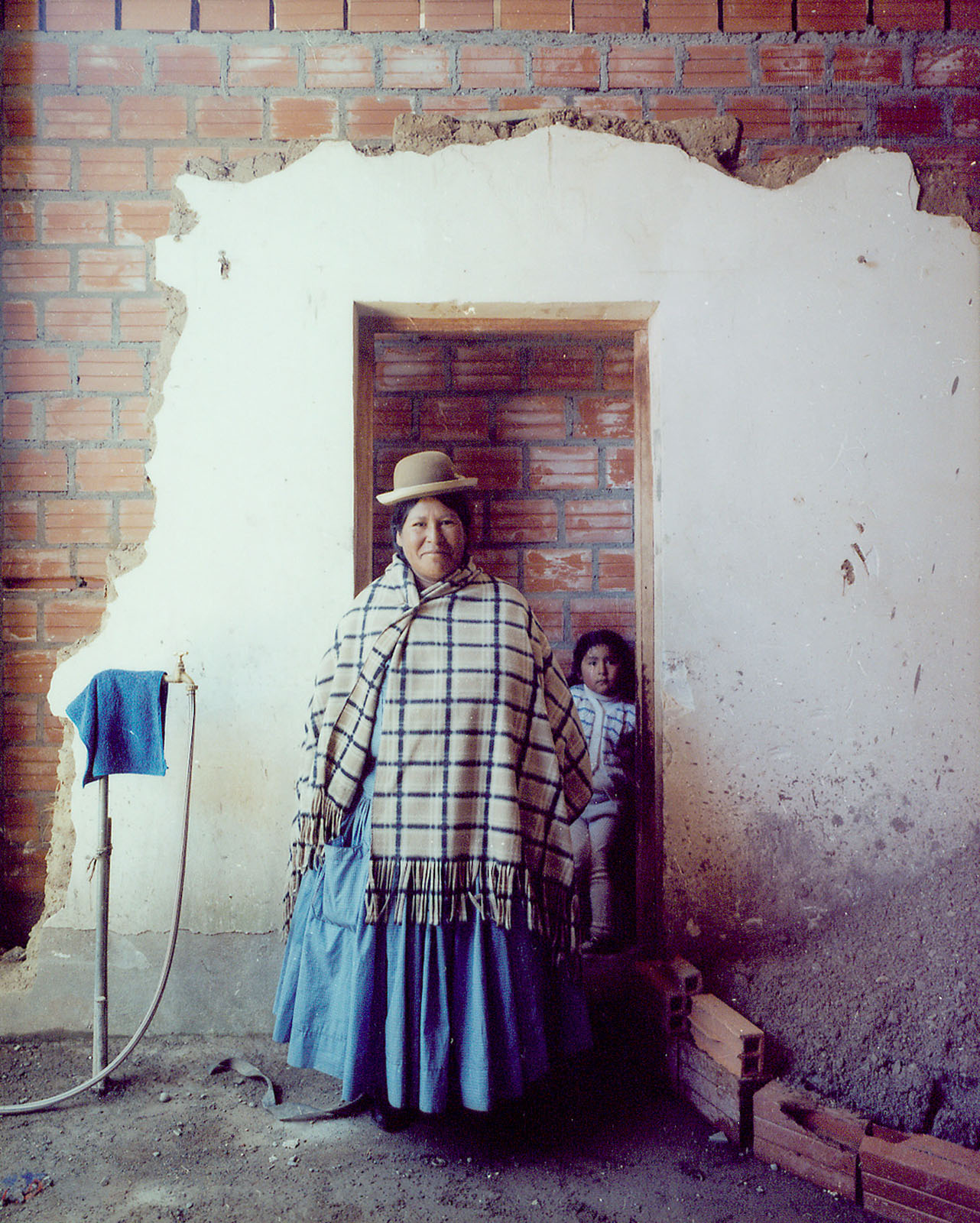
Altiplano, Chile, 2001

Naples, Italy, 2002

Jenna Jameson, Scottsdale, USA, 2004

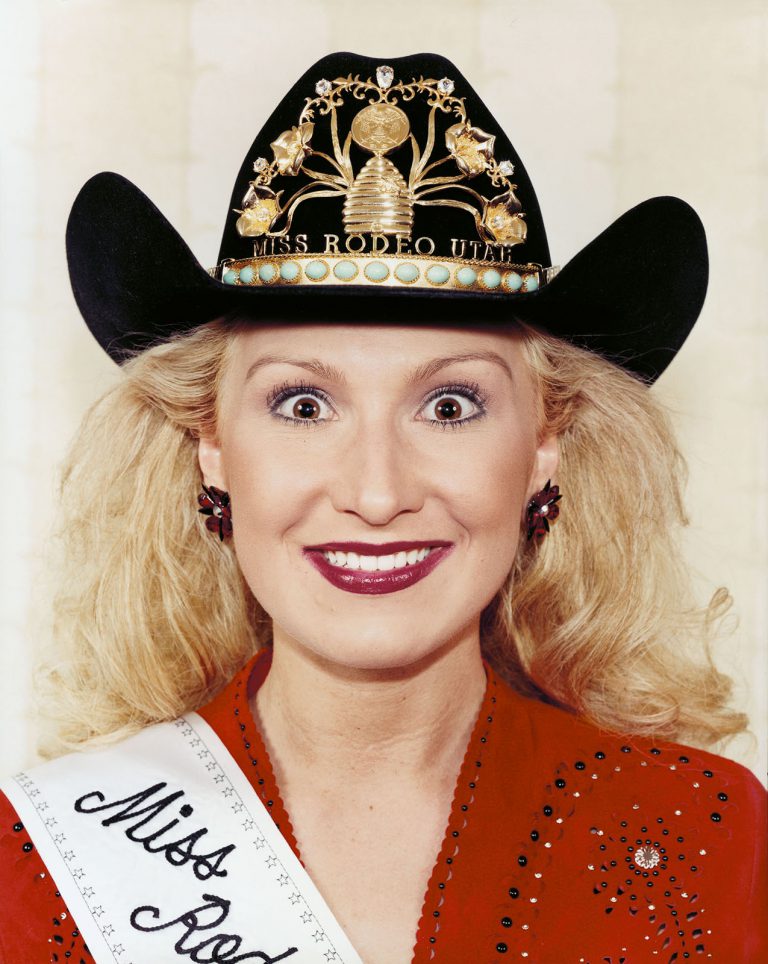
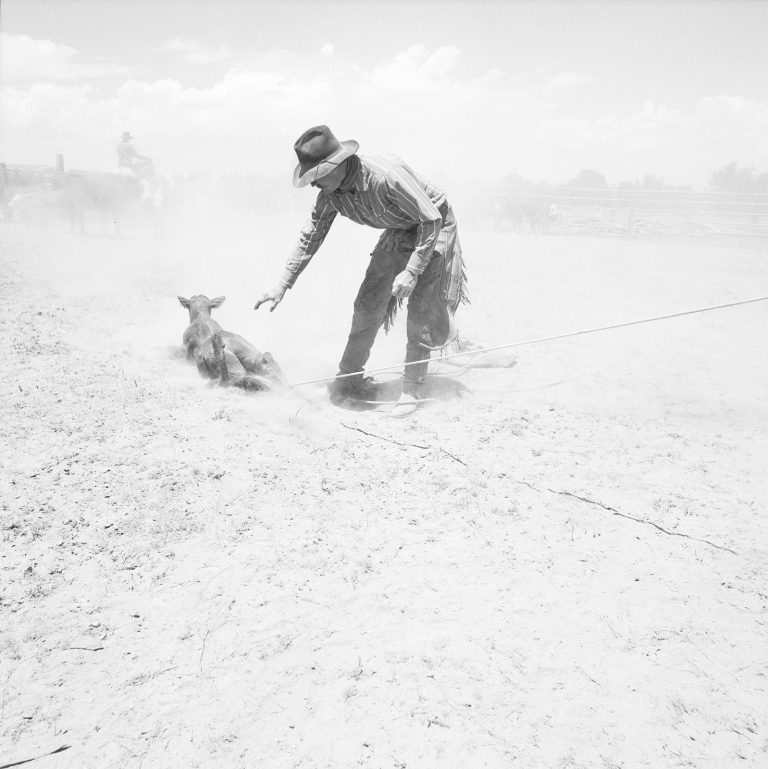
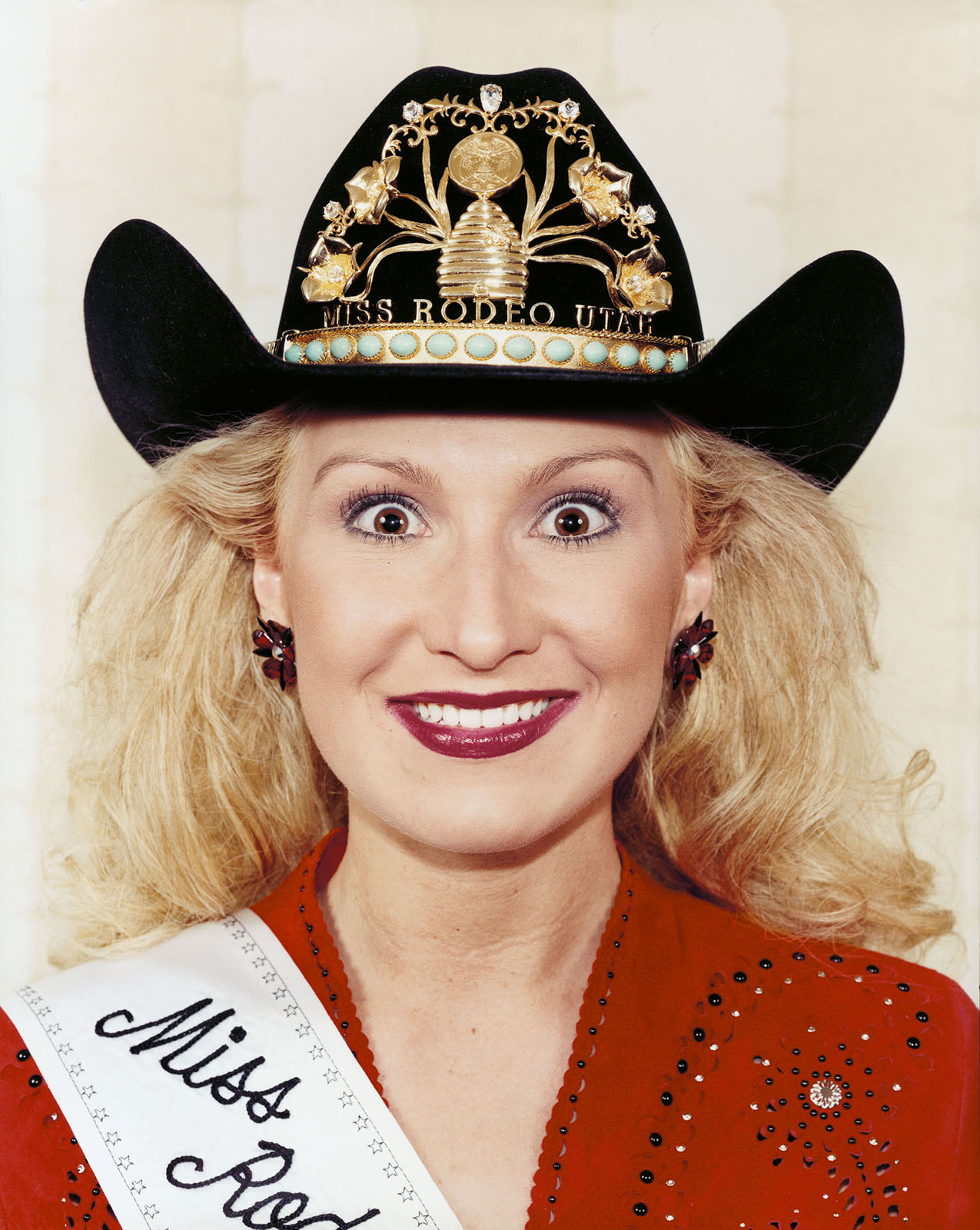
"I went to Las Vegas for the Miss Rodeo USA contest. It was this week of events where at the end a winner is chosen to be kind of the representative for rodeo and cowboy culture, helping to sell agricultural products, things like that. The winner has to sign this agreement where she isn’t going to have a boyfriend for a year. What I liked about the contestants was that although they’re all clearly different people, they almost all had the same expression. They wore the same type of outfit, the same hair."
Selena Ulch, Miss Rodeo Nevada 2004, Las Vegas, USA, 2004

Amy Jo Hubbard, Miss Rodeo Wyoming 2004, Las Vegas, USA, 2004

Kaydee Nelson, Miss Rodeo Utah 2004, Las Vegas, USA, 2004

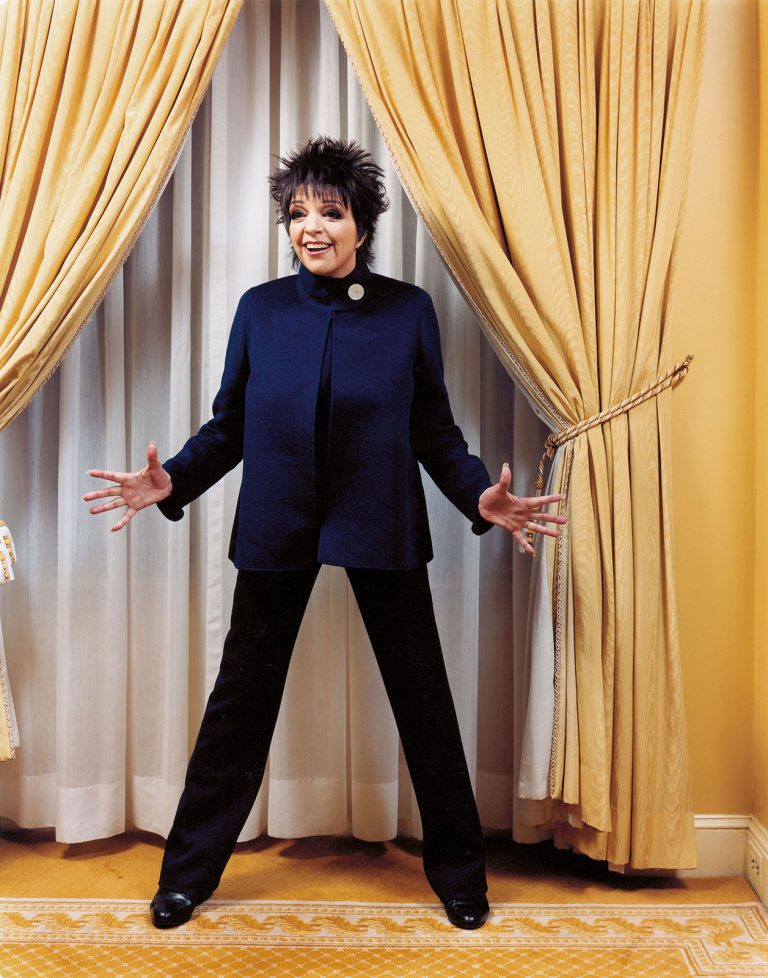
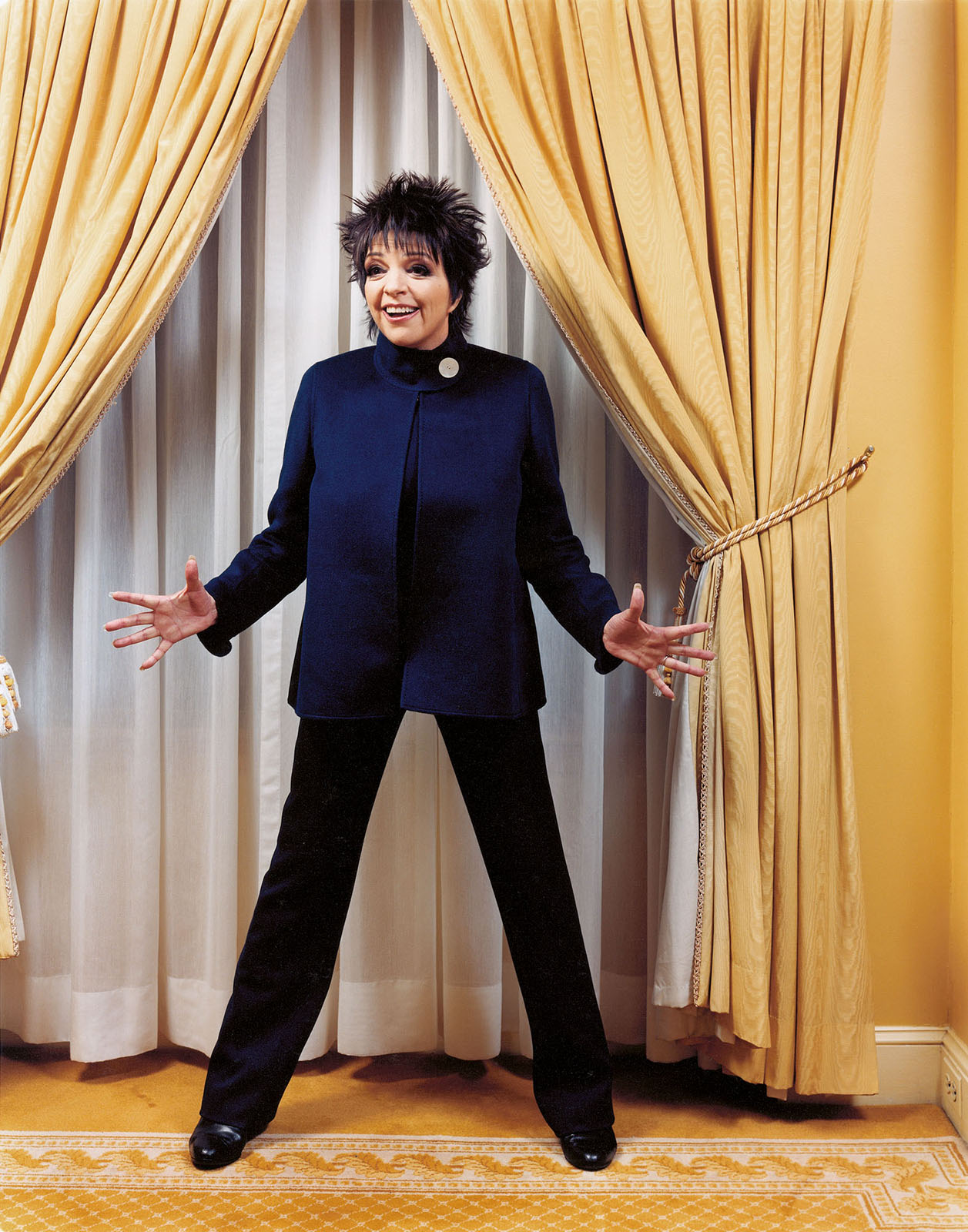
Liza Minelli, New York City, USA, 2002

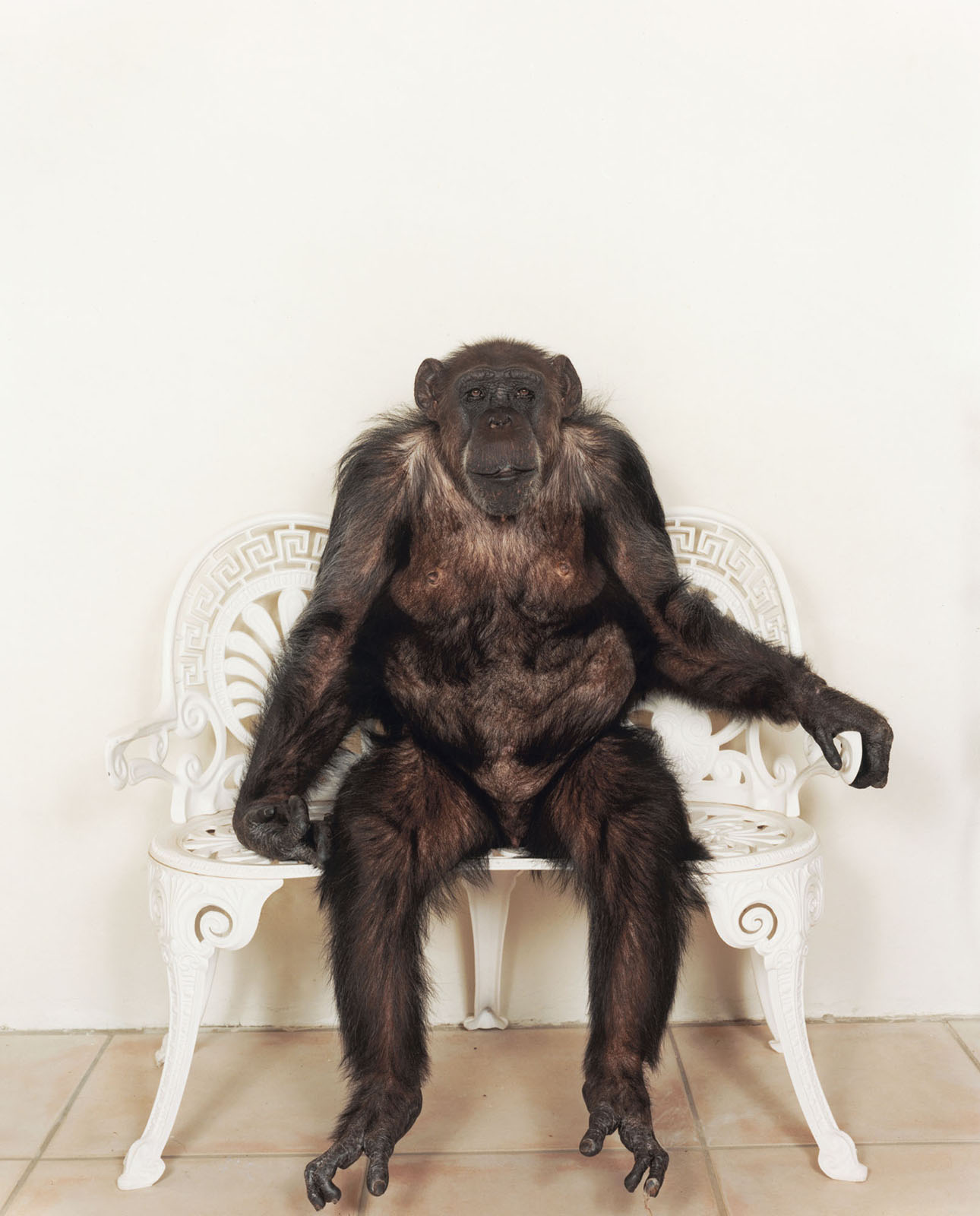
Cheetah, Palm Springs, 2008

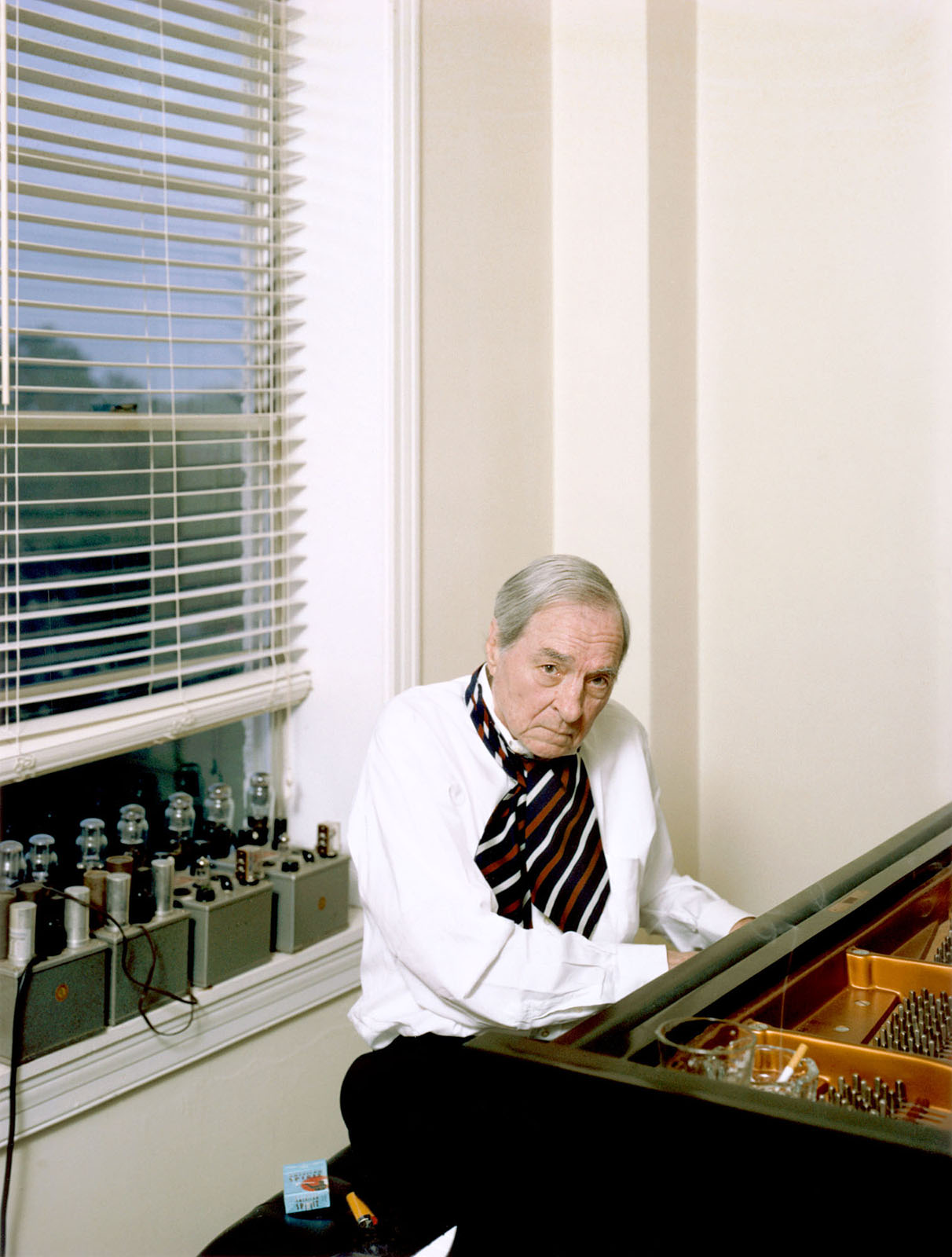
Brian Wilson, New York City, USA, 2002

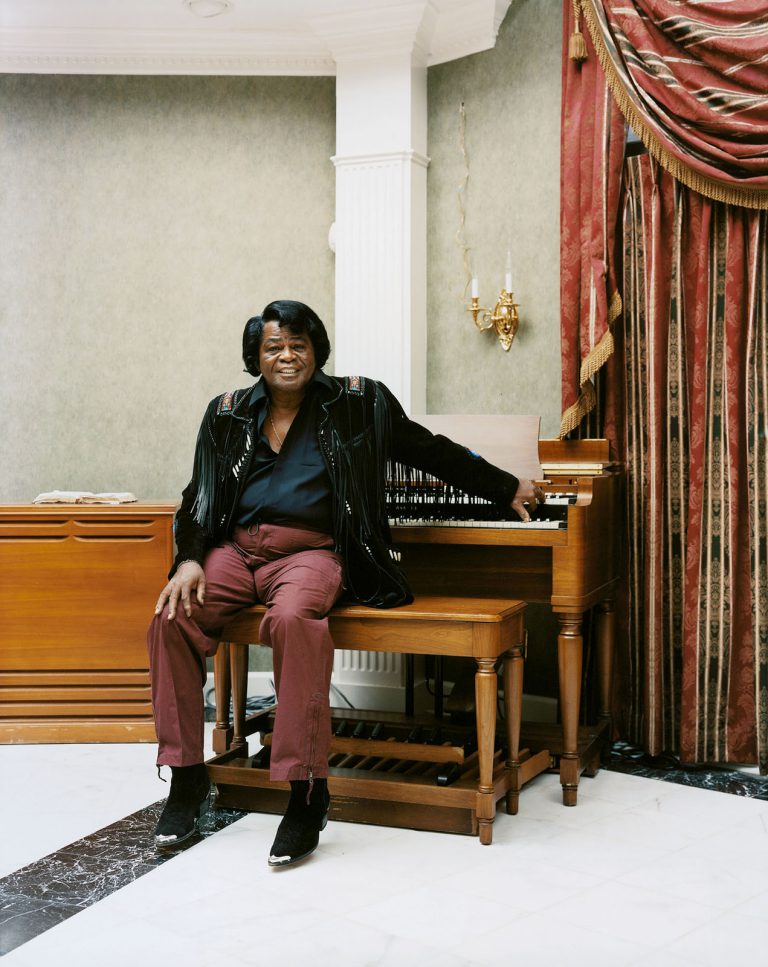
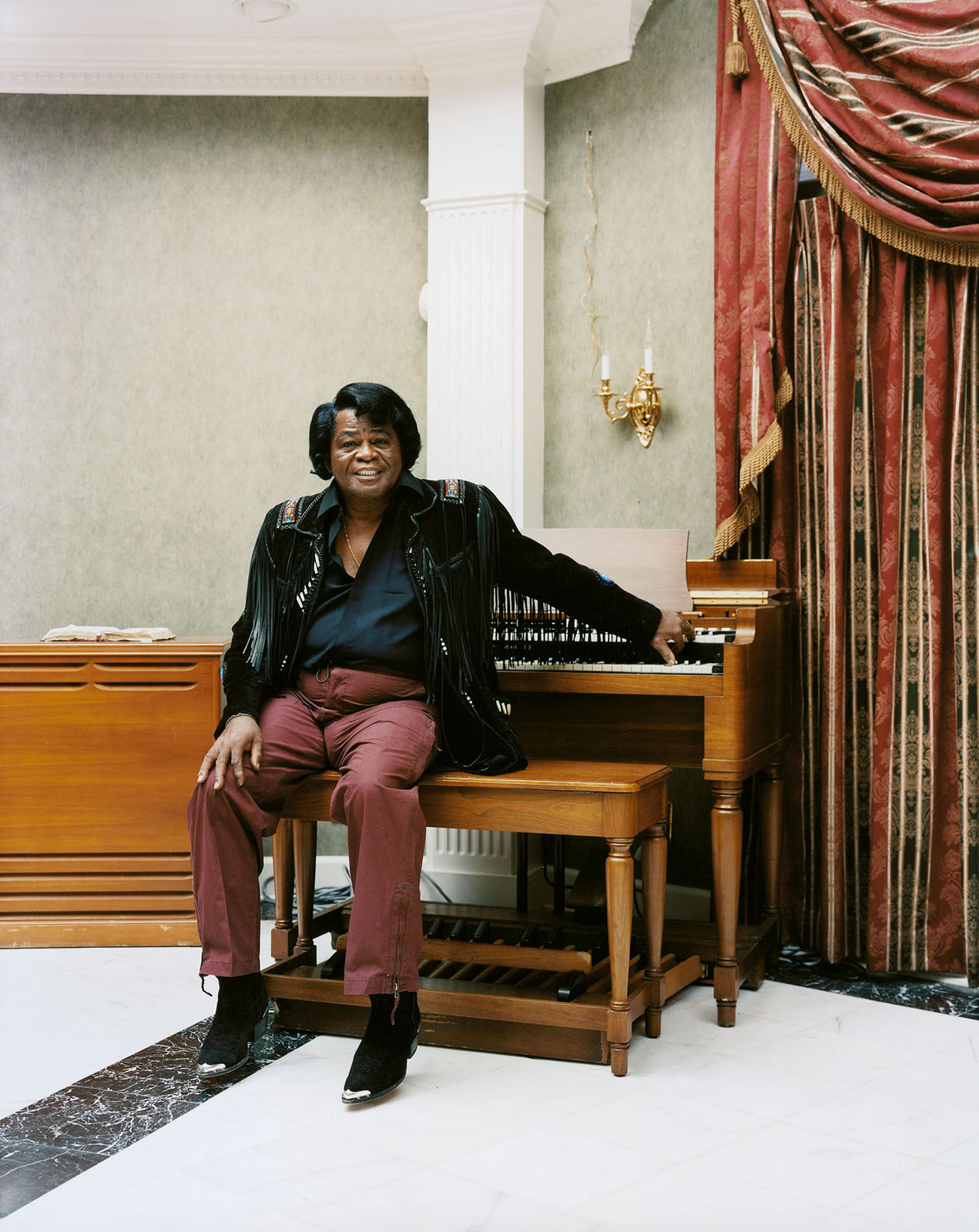
"This is James Brown, shot at his home in South Carolina, very near to the place where he was born – outside Augusta, Georgia. You drive out in the middle of the country and then you come up to these big gates that are like the Queen Mother’s gates in London, but you don’t have to open them, you just drive around them through an opening in the fence to the side. Then you’re on James Brown Boulevard, and you drive through the woods until you get to his house. The picture is in a room he’d just had built. There’s a sunken bar in the centre but he didn’t want any references to alcohol in the pictures."
James Brown, Aiken Country, South Carolina, USA, 2002

"This is my step-grandfather. He raised my dad and his two sisters after their father left them. My dad always considered him as his father. He came from Mexico during the war when they were letting a lot of Mexicans come in to work in factories. For years and years he kept his papers in a closet because he was afraid he’d get deported. This picture was taken after we buried his wife Lucy, my grandmother."
Andrew Hernandez, Fresno, USA, 2005

Eleanor DeOrona, Fresno, USA, 1999

Phe Ruiz, San Francisco, USA, 2002
1/37